The elements of good trading are cutting losses, riding winners, and making a few big wins. But ninety percent of what makes a good trader is psychological.
— Ed Seykota, Market WizardWhy Crypto Trading Is Uniquely Stressful — And Why That Matters
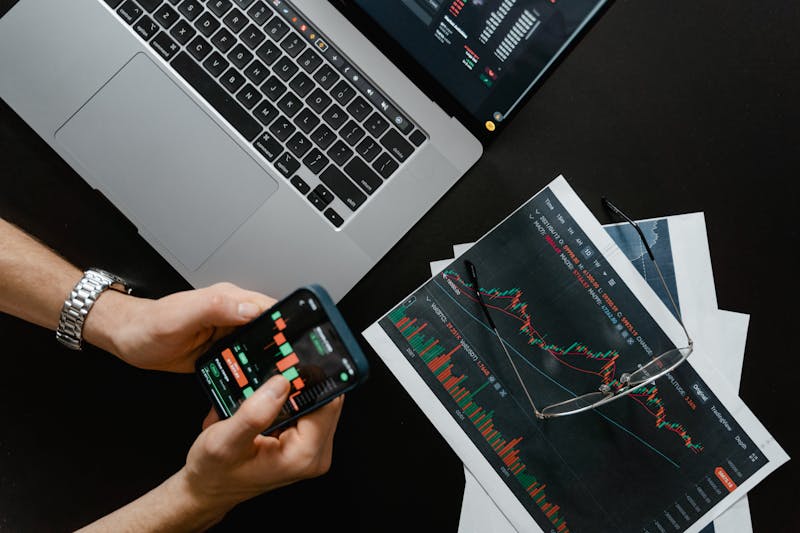
Crypto is not a normal market. It runs 24 hours a day, 7 days a week, with no breaks for weekends or holidays. Prices can move 20% in an hour. You can wake up to find a position that was profitable last night is now deeply underwater. The combination of constant availability, extreme volatility, and real financial stakes creates a stress environment unlike anything else in everyday life.
And here is the crucial thing most traders miss: stress does not just feel bad. It physically impairs your decision-making. When you are under acute stress, your brain shifts into fight-or-flight mode — which is excellent for escaping predators and terrible for managing a trading position. Adrenaline and cortisol flood your system, your prefrontal cortex — the rational thinking part of your brain — goes partially offline, and you become biologically predisposed to making short-term, emotionally driven decisions.
This is not a personality flaw. It is biology. The good news is that once you understand what stress does to your trading, you can build systems to manage it — and stop letting it cost you money.
Recognizing Your Personal Stress Signals Before They Control You
Every trader has their own stress signals — physical, emotional, and behavioral cues that indicate their decision-making is becoming compromised. Most traders have never identified theirs. Here is a framework for doing that:
Common physical stress signals include a tight chest, shallow breathing, clenched jaw, tense shoulders, or a racing heartbeat while watching charts. Common behavioral signals include refreshing price pages compulsively, checking your portfolio every few minutes, or feeling unable to step away from the screen. If you recognize any of these — your stress level is already too high to trade effectively.
The Physical Reset — How to Drop Stress in Under 5 Minutes
When you recognize that your stress level is rising, the most important thing you can do is interrupt the physiological stress response before it peaks. Here are five techniques that work rapidly and do not require any special equipment or training:
- 1Box breathing — 4 seconds in, hold 4, out 4, hold 4 This technique is used by Navy SEALs and surgeons to rapidly reduce acute stress. Four cycles takes under two minutes and measurably lowers cortisol. Do it with your eyes closed before making any trading decision under pressure.
- 2The 5-minute walk Physical movement breaks the stress feedback loop. Step away from the screen, go outside if possible, and walk for five minutes. Your cortisol levels will measurably drop and your prefrontal cortex — the rational decision-making part of your brain — will come back online.
- 3The cold water reset Splashing cold water on your face or wrists activates the dive reflex — a physiological response that slows your heart rate and reduces acute stress within seconds. Simple, fast, and surprisingly effective.
- 4Write it down — externalize the stress Open your trading journal and write exactly what you are feeling and why. Getting the stress out of your head and onto paper reduces the emotional intensity significantly and often reveals whether your concern is rational or emotional.
- 5The perspective reset — zoom out Ask yourself: will this trade matter in 6 months? In a year? In five years? Almost always the answer is no. Zooming out breaks the tunnel vision that stress creates around an individual position and restores rational perspective almost immediately.
Structural Stress Reduction — Building a Low-Stress Trading Environment
The best way to manage trading stress is to build a trading environment that minimizes its triggers in the first place. Here is how to do that structurally:
- Never trade money you cannot afford to lose — this is the single biggest source of trading stress. If the money you are trading is money you need, every price movement becomes a threat to your financial security. That level of stress makes good trading impossible.
- Set stop losses before you enter — knowing exactly how much you can lose before you enter removes the open-ended anxiety of a position going against you. The worst feeling in trading is a loss with no defined limit.
- Use price alerts instead of watching charts — chart-watching is one of the most stress-inducing habits in trading. Set alerts at your key levels and walk away. You will be notified when something matters.
- Define your daily loss limit — decide before you start how much you are willing to lose today. When you hit it, you stop. No exceptions. This prevents the catastrophic sessions that come from trying to trade your way out of a bad day.
- Trade smaller during high-stress periods — if you are going through a stressful time in your personal life — health issues, relationship problems, financial pressure from other sources — reduce your position sizes significantly or stop trading entirely until the external stress passes.
The Long-Term Approach — Building Stress Resilience as a Trader
Managing stress in the moment is important. But building genuine stress resilience as a trader — the ability to stay calm under pressure consistently over time — requires longer-term habits. Here is what actually works:
- Regular physical exercise — the single most effective stress management tool available. Traders who exercise regularly report significantly lower anxiety during trading sessions. Even a 20-minute walk daily makes a measurable difference.
- Adequate sleep — sleep deprivation mimics the effects of significant stress on decision-making. Trading while sleep-deprived produces decisions of similar quality to trading while emotionally stressed. Protect your sleep like you protect your capital.
- Meditation or mindfulness practice — even five minutes of daily mindfulness practice measurably improves emotional regulation over time. Traders who meditate consistently report faster recovery from losses and more stable decision-making under pressure.
- Clear separation between trading time and personal time — define specific hours when you trade and specific hours when you do not check prices. The always-on nature of crypto makes this boundary essential to prevent trading anxiety from bleeding into every area of your life.
- A support network — talking to other traders about the emotional side of trading reduces isolation and normalizes the experience. Knowing that experienced traders also feel stressed removes the shame that often prevents traders from addressing their psychological state honestly.
The Complete Trading Psychology System
This post completes a 10-part series on crypto trading psychology. The full pillar guide brings everything together — fear, greed, FOMO, revenge trading, routines, checklists, the professional mindset, and stress management — in one comprehensive resource.
Read the Full Guide: Crypto Trading Psychology →