
What Is Revenge Trading — And Why It Happens
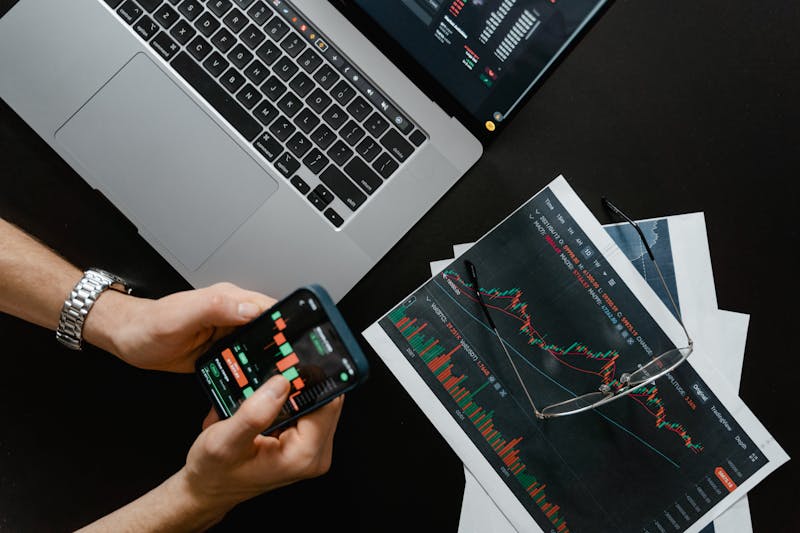
Revenge trading is the act of entering a new trade immediately after a loss — not because the setup is good, but because you want to recover what you just lost. It is driven entirely by emotion: frustration, ego, and a desperate need to “get even” with the market.
The market does not know you exist. It does not care that you just lost $200. It is not your enemy and it cannot be beaten through anger or willpower. But in the heat of the moment, your brain convinces you otherwise — and that is exactly when revenge trading strikes.
Here is why it happens every time: after a loss, your brain shifts into a loss-aversion mode. Studies in behavioral finance show that the pain of losing money is psychologically twice as powerful as the pleasure of gaining the same amount. Your brain wants to eliminate that pain as fast as possible — and trading again feels like the fastest way to do it.
How to Recognize Revenge Trading Before It Happens

The tricky thing about revenge trading is that it never announces itself. You do not sit down and say “I am about to make an emotional, irrational decision.” It disguises itself as confidence, opportunity, or logic. Here is what it actually looks like in practice:
- You open a trade within minutes of closing a losing one — no analysis, no plan, just urgency
- You increase your position size — to “make it back faster”
- You ignore your stop loss — or move it further away to avoid another loss
- You switch assets mid-session — chasing something that is moving because yours is not
- You feel angry or tense while trading — your body is telling you something your brain is ignoring
- You keep thinking about the loss — instead of the current setup in front of you
Why Revenge Trading Always Makes Things Worse
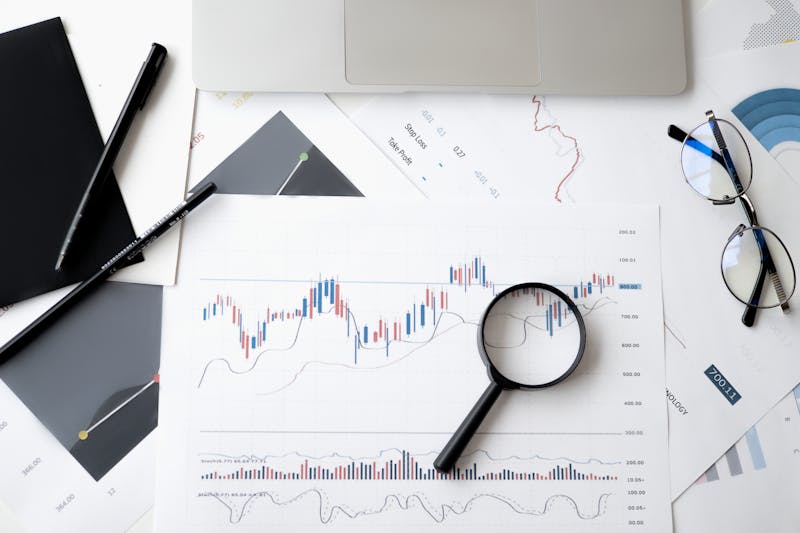
The math of revenge trading is brutal. When you increase your position size to recover a loss faster, you are not just taking on more risk — you are compounding the emotional pressure at the same time. Now you have more money on the line while you are in your worst possible mental state. The two worst conditions for trading — emotional instability and oversized positions — combine into a perfect storm.
Here is what the typical revenge trading spiral looks like:
- Loss #1 — $100 — normal size position, bad setup
- Revenge trade #1 — $300 — 3x size to “get it back fast” — loss
- Revenge trade #2 — $500 — still trying to recover — loss
- Total damage: $900 from a $100 original loss
Related Reading
Why Emotional Control Is the Real Edge in Crypto TradingRevenge trading is a symptom of emotional dysregulation. This post explains how to build the control that prevents it.
The 5-Step System to Stop Revenge Trading for Good

Stopping revenge trading is not about willpower. It is about systems. When you have a clear process to follow after a loss, your emotional brain has less room to take over. Here is the exact five-step system that works:
- 1Set a daily loss limit before you trade Decide in advance the maximum you are willing to lose in a single day. When you hit it — stop. No exceptions. This is not optional. Write it down before your first trade of the day.
- 2Implement the 30-minute rule After any losing trade, close your charts for 30 minutes minimum. Walk away. The market will still be there. This breaks the emotional feedback loop before it spirals into revenge trading.
- 3Write down what happened — immediately Open your trading journal right after a loss and describe exactly what happened. What was the setup? What did you feel? What would you do differently? Writing forces your brain to shift from reactive to analytical mode.
- 4Never increase position size after a loss Make this an absolute rule. If your standard position is 2% of your account, the trade after a loss must also be 2% or less — never more. Bigger positions after losses is revenge trading’s most destructive form.
- 5Ask yourself one question before every trade “Would I take this exact trade if I had not just lost money?” If the honest answer is no — do not take it. That one question alone can save you from 90% of revenge trades.
Related Reading
Why Fear and Greed Are the #1 Reason Crypto Traders Lose MoneyRevenge trading is fear and greed working together at their most destructive. This post breaks down exactly how they operate.
How to Take Back Full Control of Your Portfolio

Taking back control of your portfolio starts with one fundamental mindset shift: losses are a cost of doing business in trading, not a personal failure that needs to be corrected immediately. Every professional trader loses. The difference is how they respond.
The traders who consistently grow their accounts over time share one common trait — they protect their capital above everything else. They understand that a 10% loss requires an 11% gain to break even. A 50% loss requires a 100% gain just to get back to where you started. Preventing the spiral is infinitely more valuable than any single winning trade.
Build your rules. Write them down. Follow them on your best days and your worst days equally. That consistency — more than any indicator, strategy, or market insight — is what separates the traders who make it from the ones who burn out.
Also from CryptoJag
The Passive Income Playbook
Want to earn from crypto without the stress of trading? This free ebook shows you the beginner-friendly step-by-step system to earning crypto passive income on autopilot — no charts, no trading required.
Get the Free Playbook →Want the Complete Picture?
This post covers revenge trading — but mastering your trading psychology goes much deeper. The full guide covers fear, greed, FOMO, discipline, emotional control, and how to build a mindset that actually makes money long term.
Read the Full Guide: Crypto Trading Psychology →– Chris