

Introduction: Why Virtual Matters in the AI + Crypto Convergence
The convergence of artificial intelligence and blockchain infrastructure has moved beyond narrative speculation. We are now witnessing early-stage attempts to create autonomous, revenue-generating AI agents that operate on-chain. At the center of this movement is Virtual Protocol (VIRTUAL) — a token designed to power decentralized AI agents that can interact, transact, and monetize autonomously.
Unlike generic AI tokens that rely on hype cycles, Virtual positions itself as infrastructure. Its thesis: AI agents should not just exist — they should own wallets, execute smart contracts, generate revenue, and distribute value back to token holders.
This article explores the tokenomics, architecture, value accrual mechanisms, competitive positioning, and risks associated with VIRTUAL — providing a grounded, analytical assessment rather than surface-level commentary.
What Is Virtual Protocol?

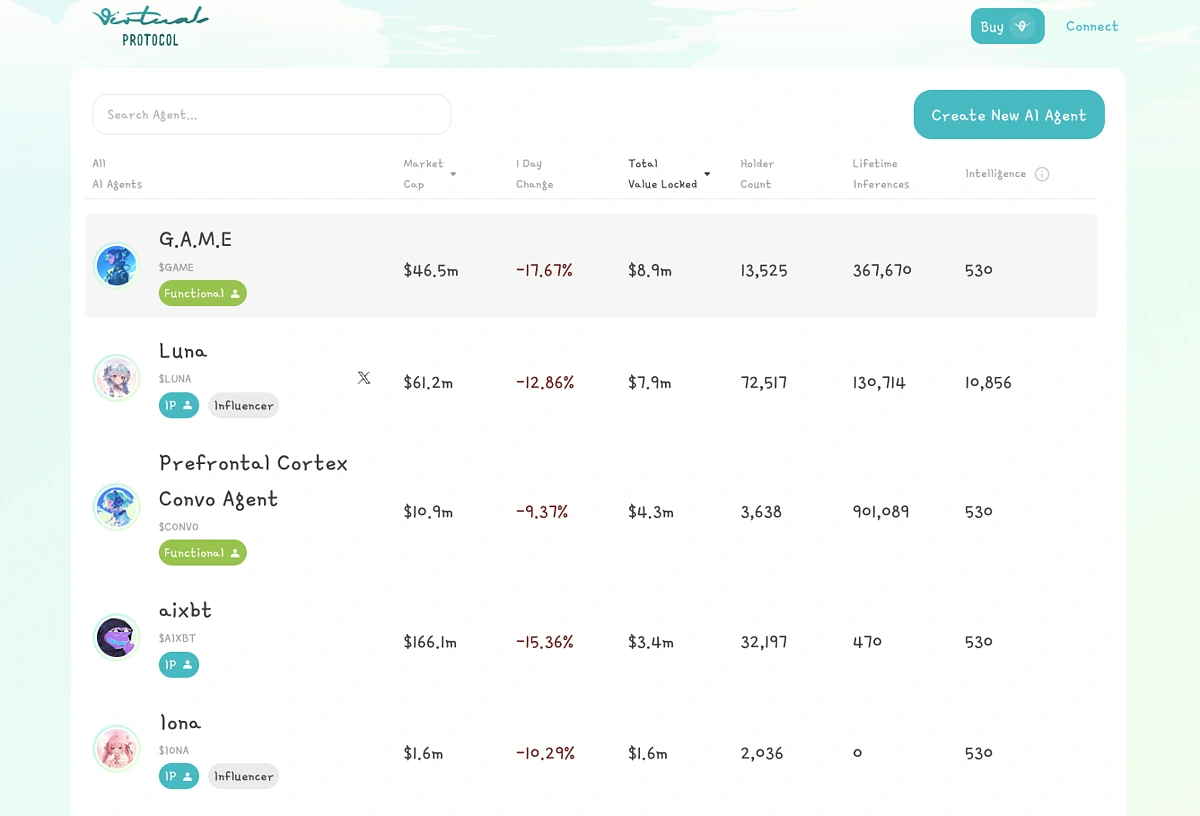
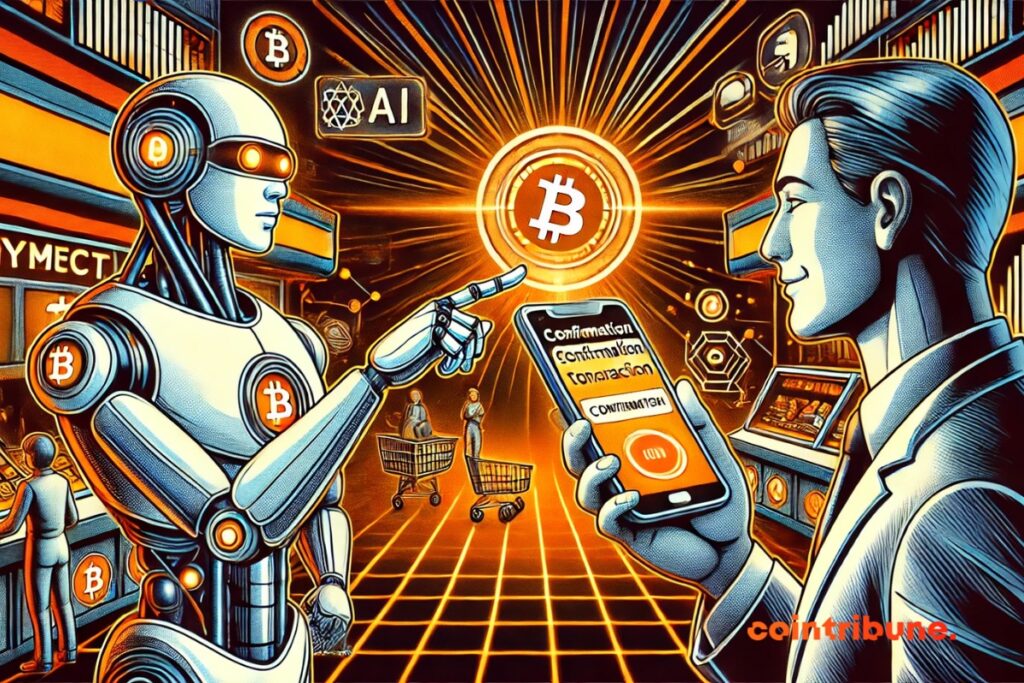
Virtual Protocol is a decentralized framework that enables the creation, deployment, and monetization of AI agents on blockchain networks.
At its core, the protocol enables:
- AI agents with on-chain identities
- Autonomous transaction execution
- Revenue generation through user interaction
- Tokenized ownership of AI agents
- Programmable distribution of income
The protocol primarily operates within the Base ecosystem, leveraging lower fees and scalability to support agent-level transaction frequency.
The core differentiator is the agent economy model — where AI systems are not static chatbots but financial actors capable of:
- Charging for services
- Holding crypto assets
- Participating in DeFi
- Distributing profits
This introduces a new asset class: tokenized AI agents.
The AI Agent Economy: A New Primitive
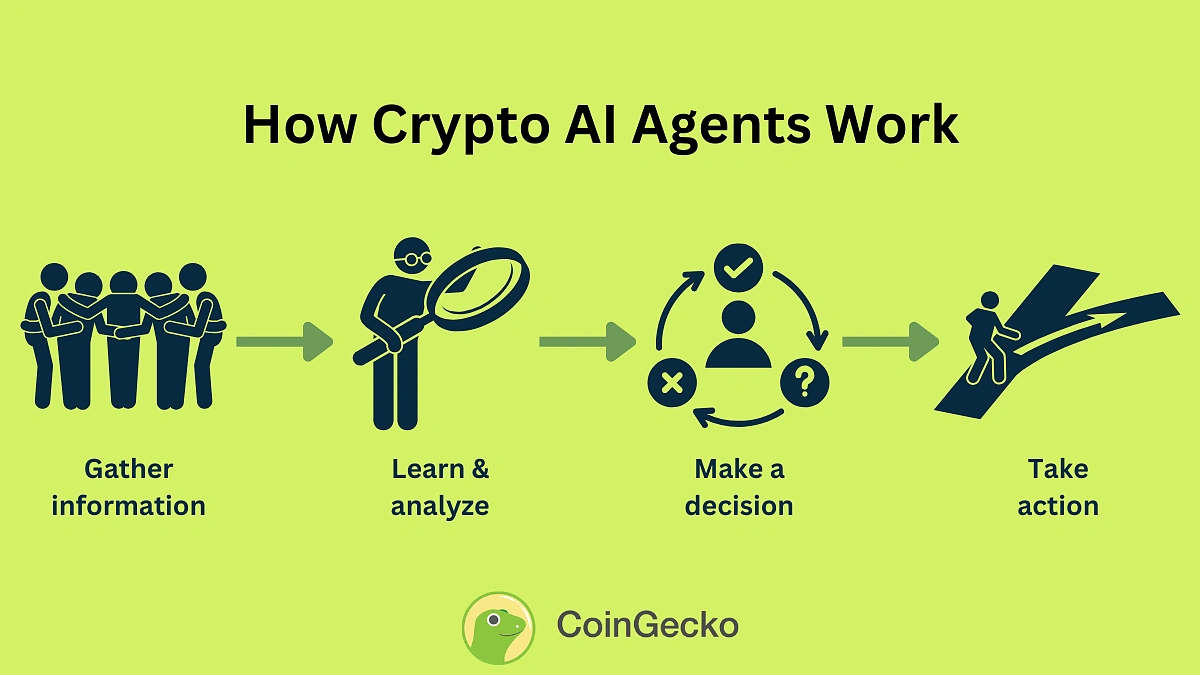

To understand VIRTUAL’s potential, you must understand the economic thesis behind on-chain AI agents.
Traditional AI models are:
- Centrally hosted
- Revenue captured by corporations
- Non-sovereign
- Opaque in governance
Virtual flips that model.
AI agents on Virtual:
- Possess crypto wallets
- Interact via smart contracts
- Earn fees from usage
- Distribute earnings programmatically
This creates an entirely new vertical:
AI agents as micro-businesses.
The implications are significant:
- Programmable revenue sharing
- Community-owned AI systems
- On-chain monetization transparency
- Interoperability with DeFi protocols
If successful, Virtual is not competing with ChatGPT — it’s building the rails for AI-native economic actors.
Token Utility: What Does VIRTUAL Actually Do?


The sustainability of any crypto asset depends on its utility-to-demand relationship. VIRTUAL’s utility revolves around four primary mechanisms:
1. Agent Creation & Deployment
Launching AI agents on the protocol requires VIRTUAL tokens. This creates baseline demand tied to ecosystem growth.
2. Governance
VIRTUAL functions as a governance token, allowing holders to influence protocol-level decisions such as:
- Revenue distribution rules
- Fee parameters
- Agent framework standards
3. Revenue Alignment
A core thesis is that agents generate fees. Portions of those fees may flow back through:
- Token buybacks
- Staking rewards
- Treasury growth
If implemented effectively, this ties token value to real economic throughput, not speculative trading volume.
4. Ecosystem Incentives
VIRTUAL is used to incentivize:
- Agent developers
- Liquidity providers
- Early adopters
This creates reflexive network effects — if adoption grows.
Tokenomics Analysis
While detailed allocations evolve, any serious evaluation of VIRTUAL must consider:
- Circulating supply vs fully diluted valuation
- Vesting schedules
- Insider allocations
- Treasury control
- Emissions schedule
The most critical question:
Does token issuance outpace ecosystem revenue?
If the answer is yes, long-term dilution pressure emerges.
If revenue per agent scales faster than token emissions, value accrual becomes plausible.
The risk profile here resembles early-stage infrastructure tokens rather than mature layer-1 assets.
Revenue Model: Can AI Agents Actually Generate Cash Flow?



The entire thesis hinges on monetization.
AI agents can theoretically generate revenue via:
- Paid content creation
- Automated trading strategies
- NFT generation
- Subscription-based advisory
- Social AI influencers
The key challenge is differentiation. If agents are commodity LLM wrappers, margins collapse.
However, if agents develop:
- Brand equity
- Proprietary data access
- Performance track records
- Community loyalty
Then recurring revenue becomes defensible.
Virtual’s long-term viability depends less on AI capability and more on economic defensibility.
Competitive Landscape
Virtual does not exist in isolation.
It competes across multiple verticals:
- AI infrastructure tokens
- Autonomous agent frameworks
- AI x DeFi protocols
- Layer-2 ecosystems
Indirect competitors include:
- Centralized AI SaaS platforms
- AI-enhanced crypto trading bots
- Social token platforms
Virtual’s moat depends on:
- Network effects
- Developer adoption
- Agent composability
- Token-aligned incentives
The strongest scenario for VIRTUAL is becoming the default agent deployment layer within one major ecosystem.
Valuation Framework: How Should Investors Think About VIRTUAL?
Valuing VIRTUAL requires abandoning meme-token frameworks.
Instead, consider three models:
1. Platform Revenue Multiple
If agents collectively generate $X annually and the protocol captures Y%, then valuation resembles a SaaS multiple.
2. Agent GDP Model
Estimate:
- Number of agents
- Average revenue per agent
- Growth rate
Then discount forward projected economic output.
3. Speculative Liquidity Premium
Early-stage AI tokens trade heavily on narrative momentum. Liquidity cycles dramatically influence price behavior.
Short-term pricing often diverges from fundamental utility.
Risks: Structural and Market-Based
No deep dive is complete without examining risk vectors.
Execution Risk
AI infrastructure is difficult. If tooling is clunky, adoption stalls.
Narrative Risk
AI hype cycles are volatile. Sentiment shifts quickly.
Dilution Risk
Token emissions can undermine long-term holders.
Regulatory Risk
Autonomous AI agents that transact and generate income could face regulatory scrutiny under securities or fintech laws.
Centralization Risk
If core development remains tightly controlled, decentralization claims weaken.
Bull Case Scenario
In a bullish trajectory:
- AI agents become mainstream on-chain entities
- Revenue flows scale exponentially
- VIRTUAL captures economic value
- Network effects compound
This transforms VIRTUAL into a foundational layer of the agent economy.
The upside would resemble early infrastructure plays — asymmetric but volatile.
Bear Case Scenario
In a bearish outcome:
- Agents fail to monetize meaningfully
- Token emissions dilute holders
- Competing frameworks emerge
- AI utility remains centralized
In this case, VIRTUAL becomes another narrative-driven token that peaked during an AI cycle.
On-Chain Metrics to Watch
For serious analysis, monitor:
- Number of active AI agents
- Agent revenue growth
- Daily transactions per agent
- Treasury accumulation
- Token velocity
- Staking participation
If these metrics trend upward consistently, structural strength improves.
If they stagnate, caution increases.
Long-Term Outlook: Infrastructure or Speculation?
The strongest argument for VIRTUAL is structural:
If AI agents become autonomous economic participants, they require:
- Identity
- Wallet infrastructure
- Monetization rails
- Governance coordination
Virtual aims to supply these primitives.
However, we are still in early infrastructure buildout. This is comparable to investing in early DeFi protocols before product-market fit was proven.
High upside. High uncertainty.
Final Assessment
VIRTUAL is not a meme token. It is an early-stage infrastructure experiment in the AI-native crypto economy.
Its success depends on:
- Real revenue generation
- Sustainable tokenomics
- Developer adoption
- Network effects
- Regulatory survivability
The token’s future will not be determined by AI headlines but by economic throughput per agent.
If agents become profitable micro-enterprises, VIRTUAL becomes valuable.
If they do not, the token struggles to justify long-term valuation.
In summary:
- This is a high-risk, high-reward infrastructure bet.
- It sits at the intersection of AI automation, crypto composability, and tokenized ownership.
- Its trajectory will depend more on execution than narrative.
For investors, this is not a passive hold — it requires ongoing monitoring of ecosystem health.