
The stock market is a device for transferring money from the impatient to the patient.
— Warren BuffettWhat FOMO Actually Is — And Why It Hits So Hard in Crypto
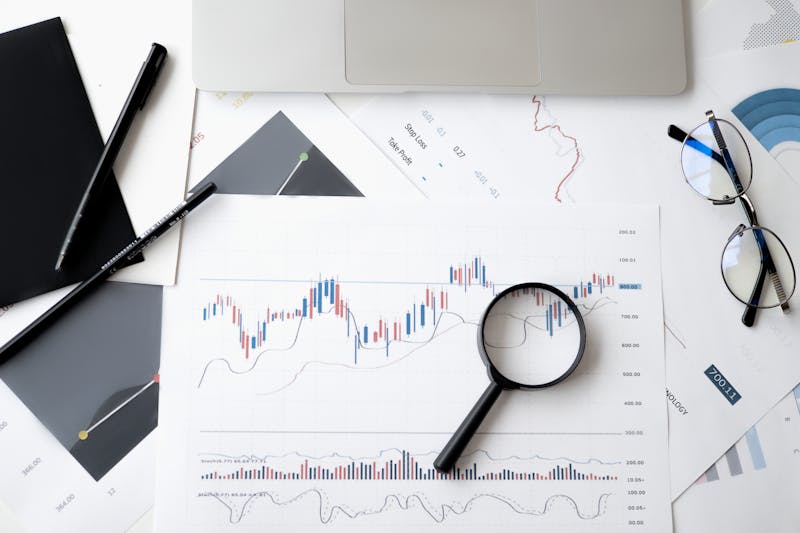
FOMO — Fear of Missing Out — is the psychological response to watching an opportunity pass you by. In crypto, it is triggered by seeing a coin up 40% in a day, watching your social media feed fill up with screenshots of gains, or hearing someone talk about how much money they made on a trade you skipped.
The crypto market is uniquely designed to trigger FOMO at every turn. It runs 24 hours a day. Prices move faster than any other asset class. Social media amplifies every gain and buries every loss. And because crypto is still relatively new, there is always a lingering fear that this might be the move that changes everything — and you are missing it.
The result is that most traders spend their time chasing pumps that have already happened, buying tops that are about to become dumps, and paying the price for letting social media make their trading decisions.
The FOMO Cycle — How It Traps You Every Time
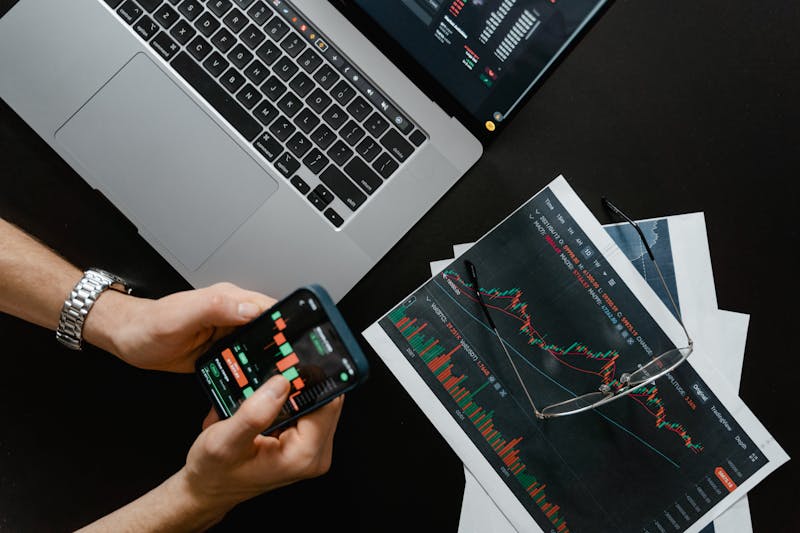
FOMO does not just happen once. It operates in a cycle that traps traders repeatedly. Understanding the cycle is the first step to breaking it.
- Stage 1 — The pump begins — a coin starts moving up. Early buyers enter based on research or a setup. Price rises steadily.
- Stage 2 — Social media lights up — screenshots of gains start circulating. Influencers call it. The narrative builds. Everyone is talking about it.
- Stage 3 — FOMO peaks — you have been watching it run for two days. You feel like you are the only person not in the trade. The urgency feels overwhelming. You buy.
- Stage 4 — The top — you entered at the exact point where the smart money that bought early is now selling to you. You are now the exit liquidity.
- Stage 5 — The dump — price reverses sharply. You are underwater. The same social media that drove you in is now silent or making excuses.
- Stage 6 — Repeat — the cycle begins again with the next coin, the next narrative, the next pump.
The Real Cost of FOMO — By the Numbers
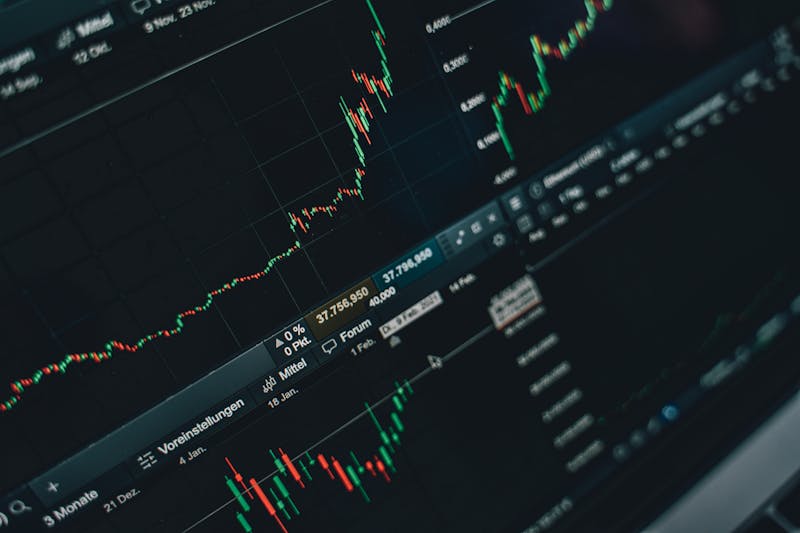
FOMO does not just cost you money on a single bad trade. It compounds into a pattern of behavior that systematically destroys portfolio value over time. Here is what the real cost looks like:
- Entry at the wrong price — FOMO entries are almost always at or near the top of a move, giving you a terrible risk/reward ratio from the start
- No exit plan — FOMO trades are entered without a stop loss or profit target, leaving you with no plan when the price turns against you
- Oversized positions — FOMO creates urgency that leads to putting too much capital into a single trade to maximize the gains you feel you are about to miss
- Transaction costs — chasing pumps often means paying high fees during peak volatility, eating into returns before the trade even starts
- Opportunity cost — capital tied up in a bad FOMO trade is capital not available for the high-quality setups that come along later
5 Proven Strategies to Beat FOMO for Good

FOMO is not something you can simply decide to stop feeling. It is hardwired into human psychology. But you can build systems that prevent it from translating into bad trades. Here are five that work:
- 1Remind yourself that there is always another trade The market runs 24 hours a day, 365 days a year. Missing one move does not mean missing crypto. Another opportunity is always coming. This single mindset shift eliminates a huge amount of FOMO pressure.
- 2Never enter a trade without a written plan FOMO trades are impulsive by definition. If you require a written entry price, exit target, and stop loss before every trade, FOMO trades will eliminate themselves — because you will never be able to write a rational plan for an emotional chase.
- 3Mute crypto social media during market hours Social media is designed to trigger FOMO. It shows you gains, not losses. It shows you the exception, not the rule. Muting or limiting your exposure to crypto social media during active trading hours removes the trigger at the source.
- 4Keep a FOMO log in your trading journal Every time you feel the urge to chase a pump, write it down — the coin, the price, the narrative that triggered it. Then check back 48 hours later. You will quickly build a personal record proving that most FOMO impulses would have resulted in losses.
- 5Use the Fear and Greed Index as your FOMO check When you feel the urge to chase, check the Fear and Greed Index. If it reads Extreme Greed — that urgency you feel is shared by thousands of other emotional retail traders. That is precisely when you should be most cautious, not most aggressive.
FOMO vs Conviction — How to Tell the Difference

Not every trade that feels urgent is a FOMO trade. Sometimes a move genuinely catches you by surprise and there is a legitimate opportunity still available. The key is knowing the difference between FOMO and conviction. Here is a simple test:
- FOMO trade — you first heard about this coin on social media in the last 24 hours. The price is already up significantly. You cannot explain the fundamentals. The urgency comes from fear of missing gains, not from a clear thesis.
- Conviction trade — you have been watching this asset for days or weeks. You understand why it is moving. You have a clear entry, exit, and stop loss. The opportunity fits your existing trading plan.
- The test question — ask yourself: “Would I be interested in this trade if the price had not moved yet?” If the honest answer is no — it is FOMO, not conviction.
The convergence of artificial intelligence and cryptocurrency — and how to position yourself before the crowd catches on.
Understanding liquidity is understanding why prices really move — and most people miss this completely.
Every passive income strategy in crypto explained — from staking and vaults to DeFi yield and beyond.
The seven most common and costly crypto mistakes — and the exact fixes for each one.
Everything you need to know about the most powerful DEX in crypto — from setup to your first trade.
Want the Complete Psychology System?
FOMO is one piece of the trading psychology puzzle. The full guide covers fear, greed, revenge trading, emotional control, checklists, routines, and the Fear and Greed Index — the complete system for trading with discipline every single day.
Read the Full Guide: Crypto Trading Psychology →