

Introduction: Crypto Is Already in Your Life (Even If You Hate It)
If you think crypto is only for traders staring at charts, meme coins, or tech people arguing on the internet, you’re not alone.
Most people believe they’ve avoided crypto entirely.
But here’s the truth:
You’re likely already using crypto-related technology — and one of the biggest gateways is Walmart.
Not because Walmart is selling Bitcoin.
Not because there’s a “Walmart Coin.”
And not because you’re being asked to download a digital wallet or learn blockchain jargon.
Instead, crypto is slipping into everyday life quietly, invisibly, and through infrastructure, not hype.
And Walmart — the world’s largest retailer — is a perfect example of how this is happening.
What Most People Think Crypto Adoption Looks Like
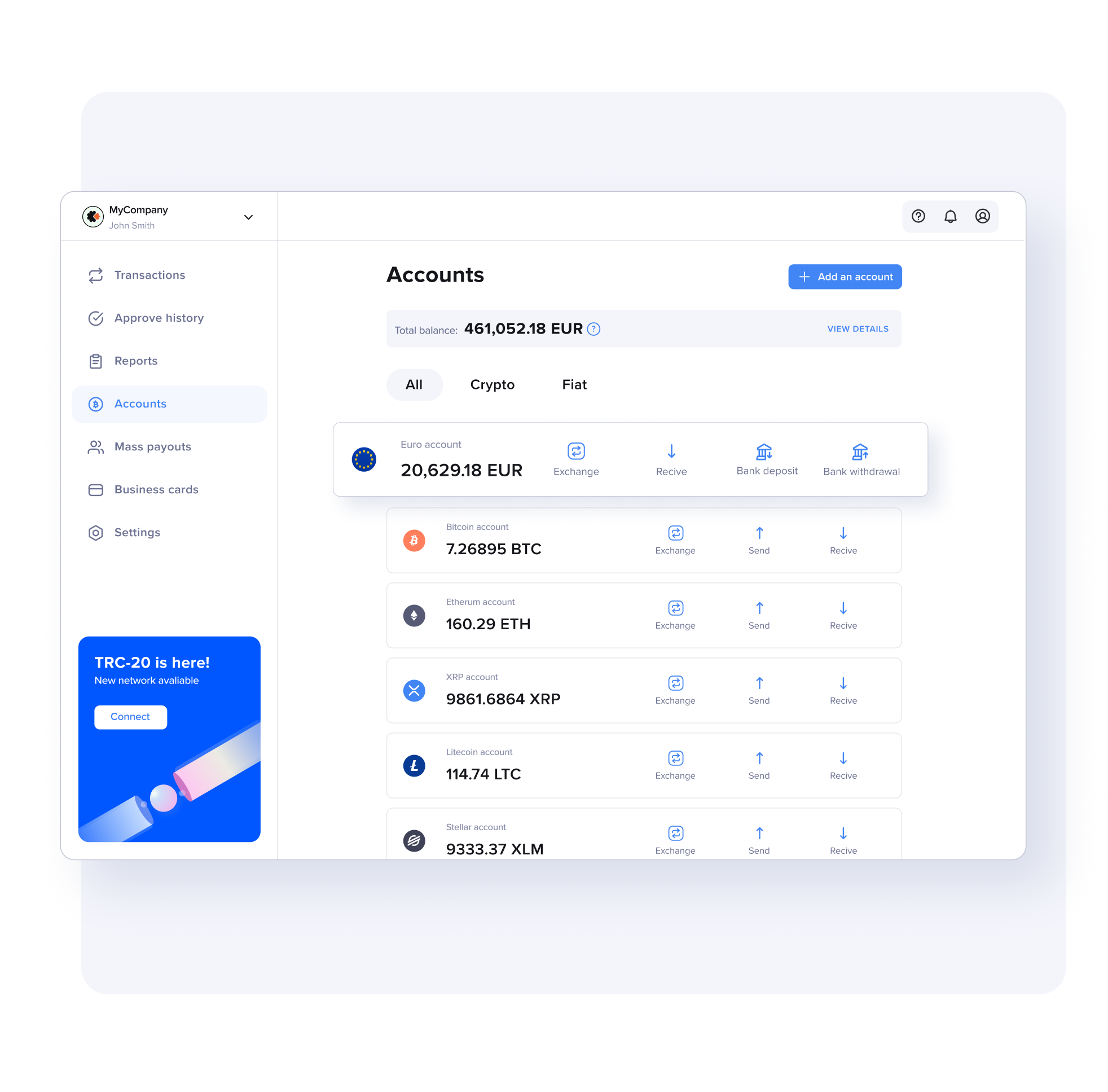


When people imagine “crypto adoption,” they picture:
- Paying for groceries with Bitcoin
- Scanning QR codes at checkout
- Managing complicated wallets
- Watching volatile prices move up and down
For most people, that sounds confusing, risky, and unnecessary.
So they assume crypto adoption has failed.
But that assumption is based on a misunderstanding.
What Crypto Adoption Actually Looks Like
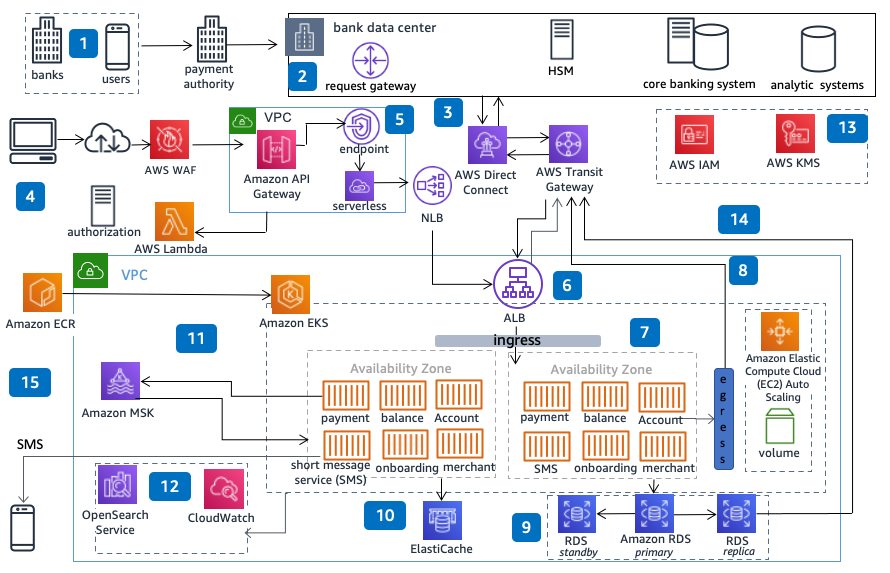

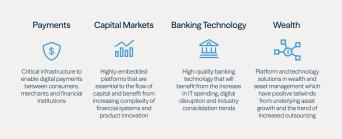
Real adoption doesn’t look exciting.
It looks like:
- Faster systems
- Lower costs
- Fewer middlemen
- Better coordination behind the scenes
Think about the internet.
You don’t “use TCP/IP.”
You don’t think about data packets.
You just open an app and expect it to work.
Crypto is following the same path.
And Walmart is already building on that path.
Walmart Isn’t “Going Crypto” — It’s Doing Something Smarter

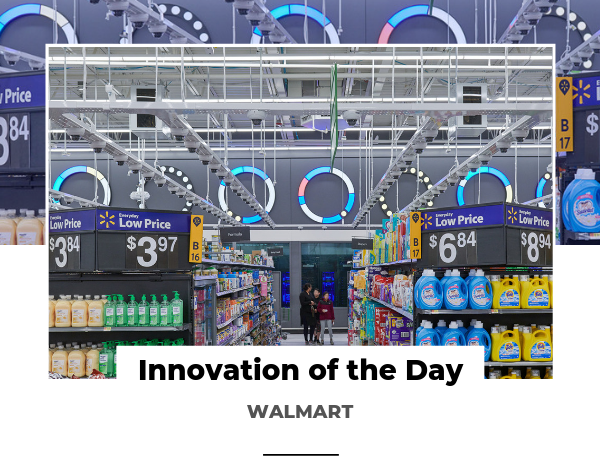
Let’s be clear:
Walmart is not:
- Launching a cryptocurrency
- Asking customers to pay with Bitcoin
- Turning stores into Web3 hubs
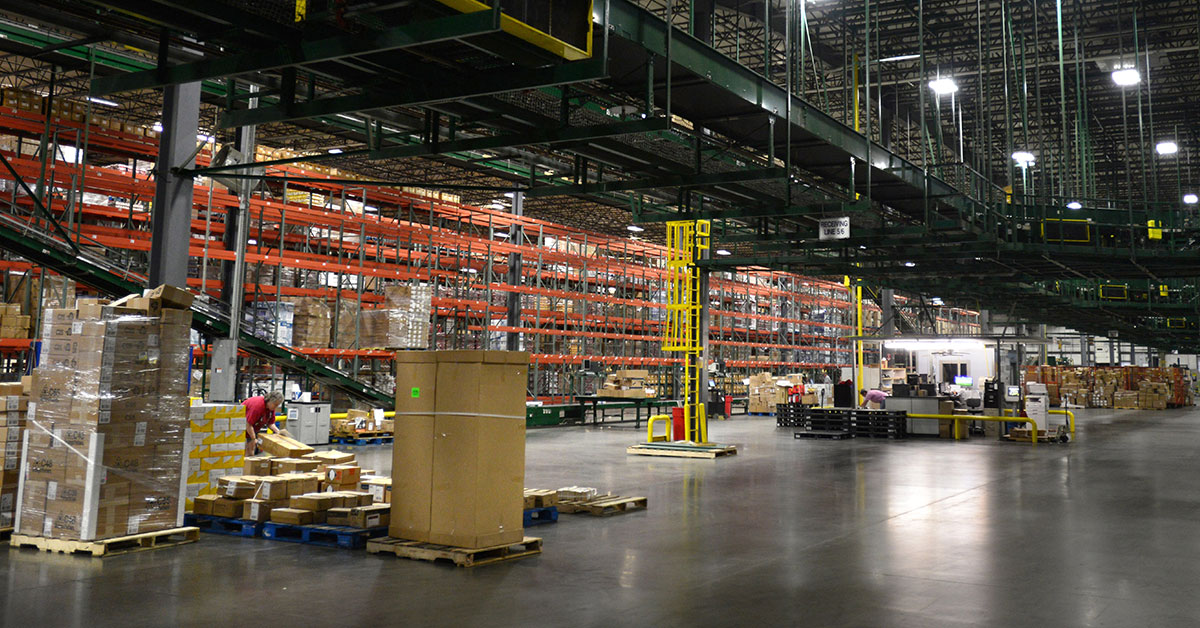
Instead, Walmart is adopting crypto-adjacent technology where it makes business sense — especially in areas most customers never see.
That’s why this matters.
Blockchain in Walmart’s Supply Chain (Without the Buzzwords)


One of Walmart’s biggest challenges is scale.
Thousands of stores
Millions of products
Global suppliers
When something goes wrong — like contaminated food — speed matters.
Traditional systems:
- Are slow
- Fragmented
- Hard to audit
Blockchain-based systems change that.
What This Means in Plain English
Instead of dozens of disconnected databases, blockchain allows:
- Shared records
- Real-time updates
- Faster tracing of products
If there’s a food recall, Walmart can identify exactly where the issue came from in seconds instead of days.
You don’t see blockchain at checkout — but you benefit from:
- Fewer recalls
- Safer food
- Less waste
- Lower operational costs
That’s crypto infrastructure at work.
Digital Payments: Crypto Ideas Without Crypto Branding
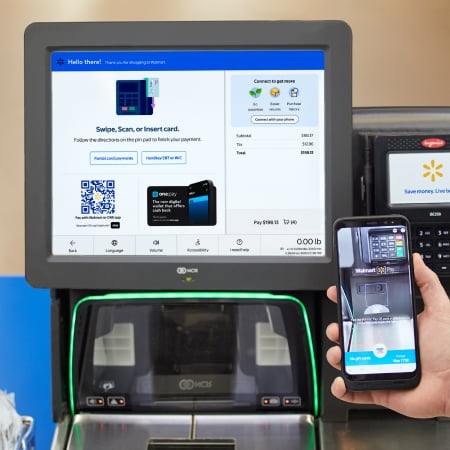


Walmart Pay doesn’t look like crypto.
But many of the ideas behind it come from the same philosophy:
- Reduce intermediaries
- Speed up settlement
- Lower transaction costs
- Maintain control over data
Crypto didn’t invent digital payments — but it pushed innovation forward by challenging legacy financial systems.
Retailers like Walmart noticed.
You don’t need to understand blockchain to benefit from:
- Faster checkouts
- Fewer payment failures
- More efficient digital transactions
Crypto’s influence is indirect — but real.
Why Walmart Avoids the Word “Crypto”


Walmart understands something many crypto projects don’t:
Mainstream users don’t want ideology. They want reliability.
The word “crypto” still carries baggage:
- Scams
- Volatility
- Confusion
- Bad press
So Walmart focuses on outcomes, not labels.
Behind the scenes, it may use:
- Distributed ledgers
- Tokenized systems
- Cryptographic verification
But to customers, it’s just:
“The system works better now.”
That’s how adoption wins.
You’ll Use Crypto Without Opting In



Here’s the key shift happening:
Crypto is moving from optional to embedded.
You won’t be asked:
- “Do you want to use blockchain?”
- “Do you accept crypto?”
You’ll just:
- Shop
- Pay
- Receive products
- Trust the system
Just like you don’t opt into the internet.
This is exactly how Walmart wants it.
Why This Matters More Than Bitcoin Prices


Most crypto coverage focuses on:
- Price swings
- Bull markets
- Crashes
But infrastructure adoption doesn’t care about daily prices.
Walmart didn’t adopt blockchain because Bitcoin went up.
It adopted it because:
- It reduces costs
- It improves efficiency
- It scales better
That’s long-term adoption — and it’s far more durable.
What This Means for the General Population



For everyday people, this means:
- Crypto won’t feel disruptive
- You won’t need to “learn crypto”
- You won’t need to speculate
Instead:
- Systems get faster
- Prices stay competitive
- Transparency improves
Crypto becomes boring.
And boring is exactly what successful technology looks like.
The Bigger Trend: Crypto Is Becoming Infrastructure


Walmart isn’t alone.
Across industries, companies are:
- Using crypto concepts without branding
- Integrating blockchain quietly
- Treating crypto as plumbing, not product
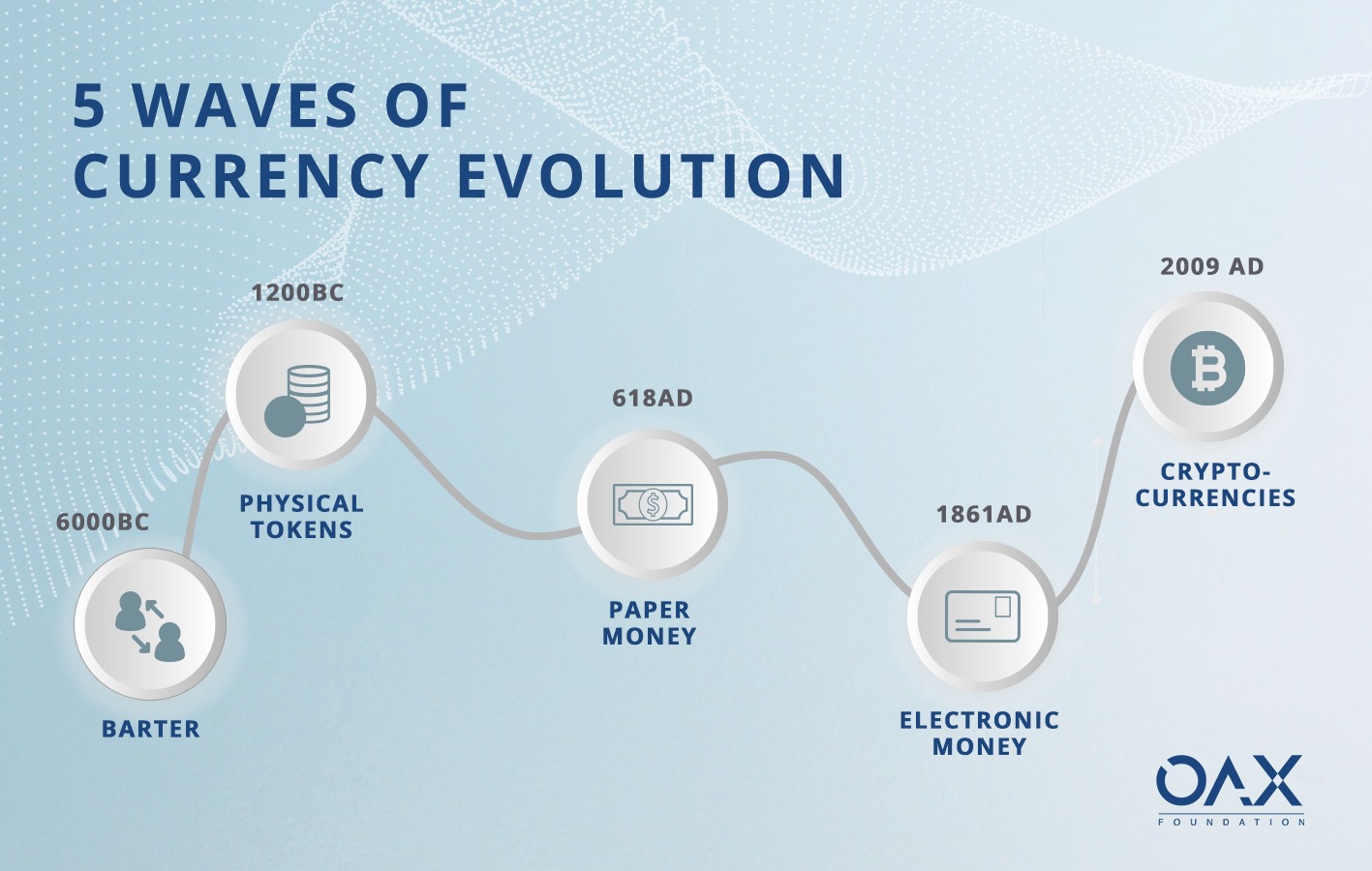
This is the same path:
Electricity → internet → mobile → crypto infrastructure
By the time people realize it’s everywhere, it already is.
So… Has Walmart Gone Crypto?
The honest answer:
Walmart hasn’t “gone crypto.”
Crypto has gone Walmart — invisibly.
And that’s far more important.
Because the future of crypto isn’t about convincing people to care.
It’s about building systems so useful
that no one needs convincing at all.
Final Takeaway
If you’re waiting for crypto adoption to look loud, flashy, and obvious — you’ll miss it.
It’s already happening:
- Quietly
- Incrementally
- Through companies you already trust
Including Walmart.
You won’t notice the moment you “start using crypto.”
You’ll just notice that everything works better.