

How War Impacts Crypto Markets
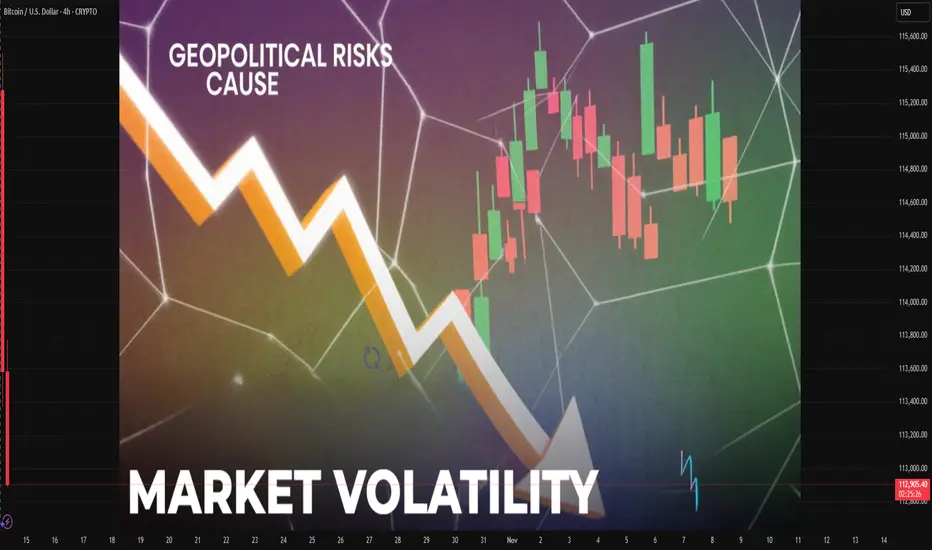
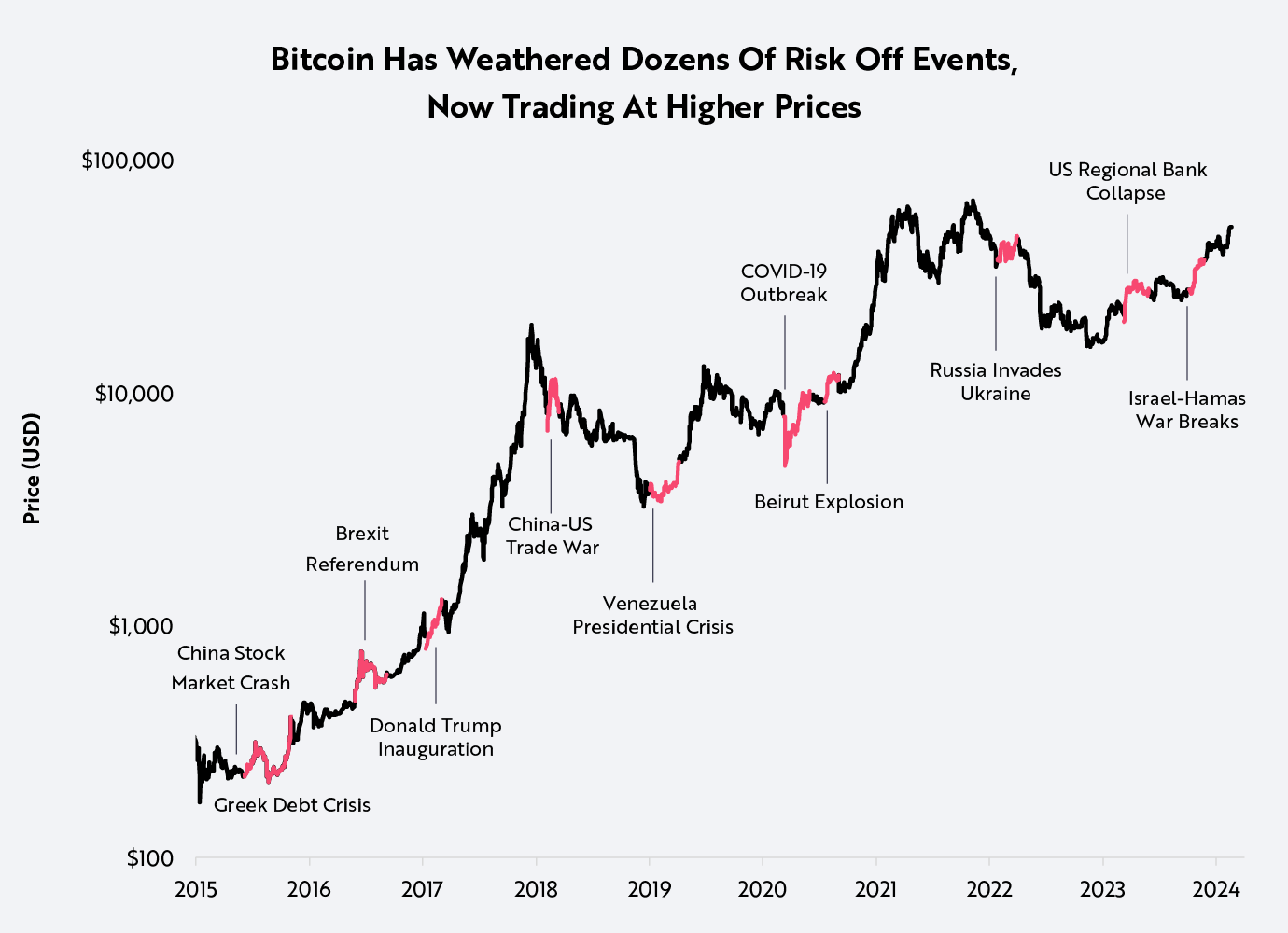
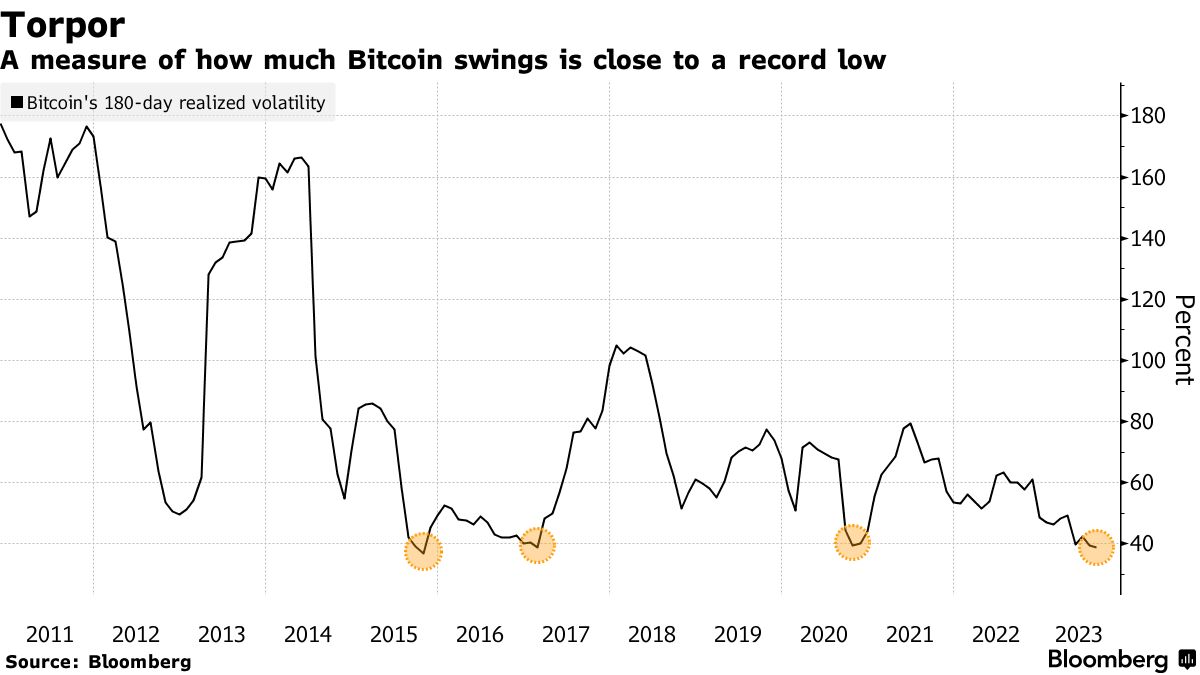
When geopolitical conflict escalates, financial markets react almost instantly. Contrary to popular belief, crypto markets do not immediately surge during war—they typically enter a phase of heightened volatility and uncertainty.
In the early stages of conflict, investors shift into what is known as a risk-off environment. This means capital flows away from volatile assets like cryptocurrencies and into perceived safe havens such as cash, government bonds, or gold.
Even Bitcoin, often labeled as “digital gold,” tends to behave like a risk asset in the short term. Prices may drop sharply, followed by unpredictable rebounds as markets attempt to price in uncertainty.
This initial reaction is not about fundamentals—it is about fear, liquidity, and positioning.
Understanding this phase is critical, because it sets the stage for what comes next.
The Shift From Risk-Off to Risk-On

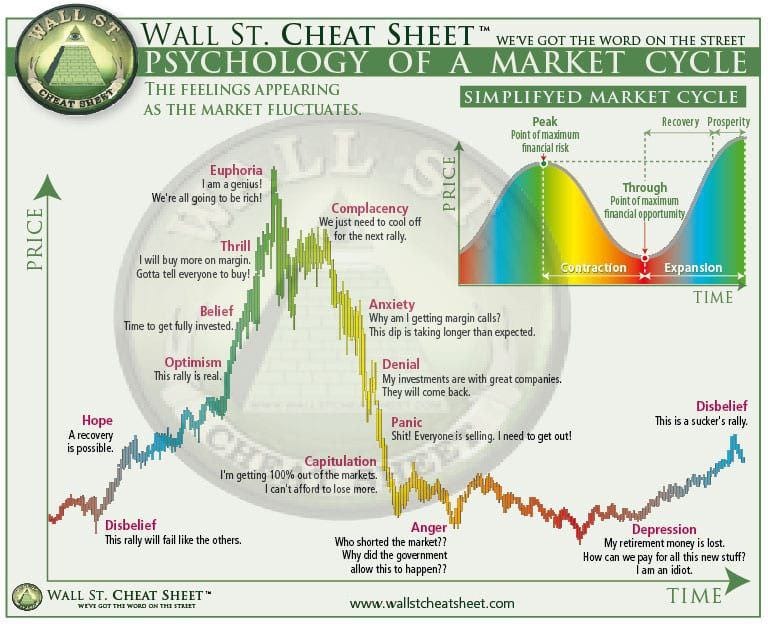

Markets are cyclical, and war accelerates these cycles.
During conflict:
- Uncertainty dominates
- Liquidity tightens
- Investors reduce exposure
But once the situation stabilizes—even slightly—the dynamic shifts rapidly.
This is where markets transition from risk-off to risk-on.
In this phase:
- Capital returns to markets
- Investor confidence improves
- Volatility becomes opportunity
Importantly, markets are forward-looking. The shift toward risk-on behavior often begins before the conflict fully resolves. Institutional investors position early, anticipating recovery rather than reacting to headlines.
This is where the concept of post-crisis liquidity becomes crucial.
The Power of Post-War Liquidity
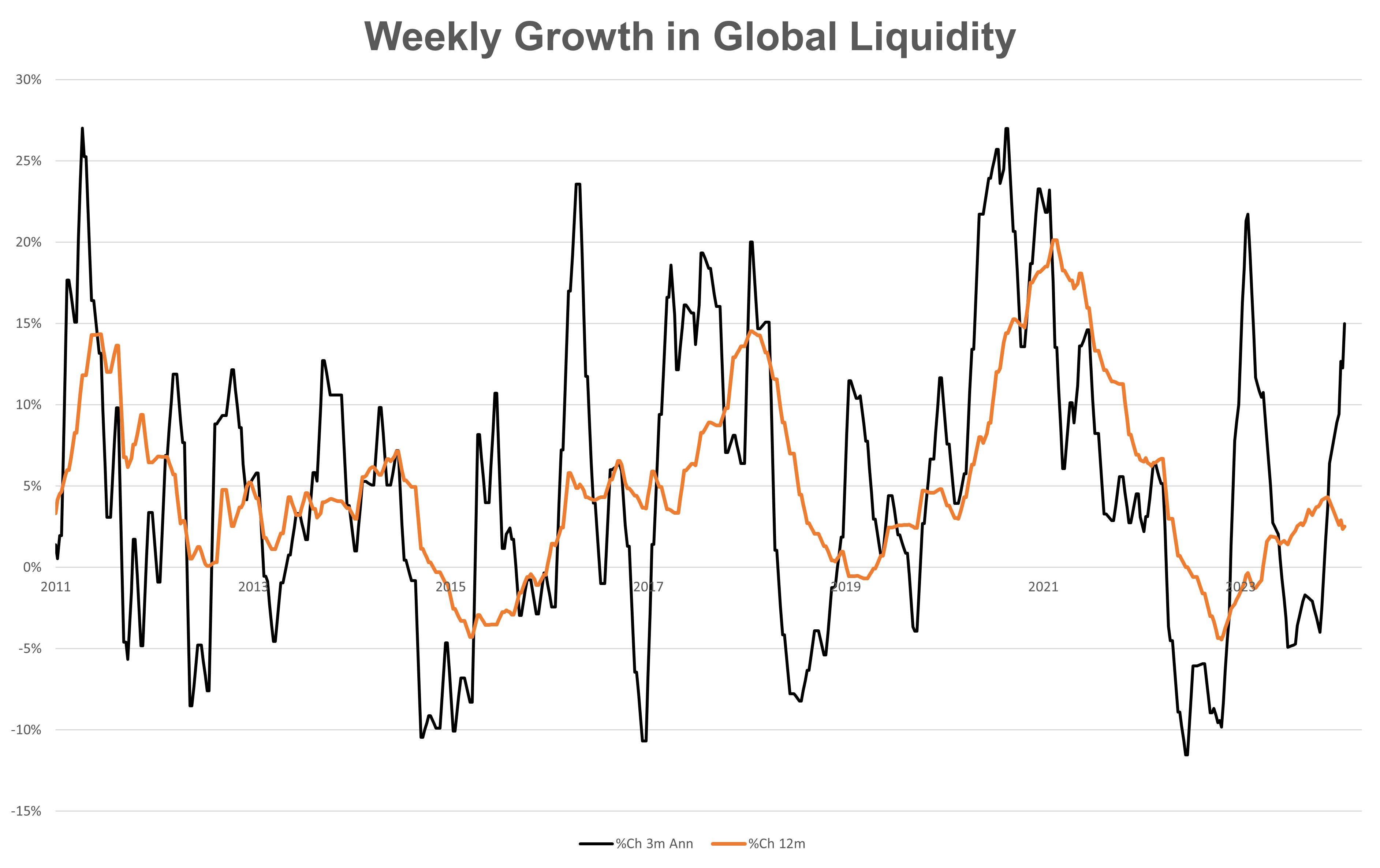

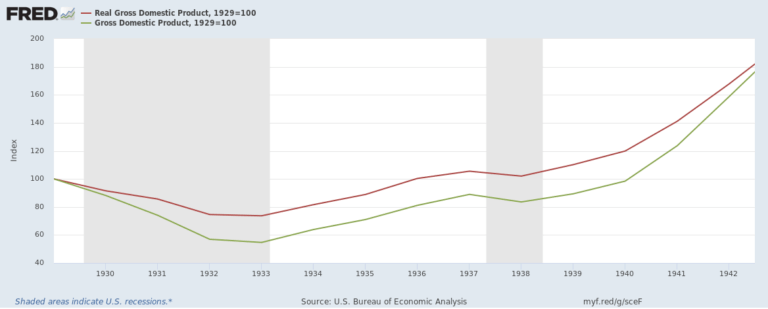
After periods of geopolitical stress, governments and central banks often respond with supportive policies.
These may include:
- Monetary easing
- Fiscal stimulus
- Liquidity injections into financial systems
This creates a surge in global liquidity—and liquidity is the single most important driver of asset prices.
When liquidity expands:
- Cash moves off the sidelines
- Risk appetite increases
- Capital searches for higher returns
Crypto sits at the far end of the risk spectrum, which means it disproportionately benefits from these conditions.
This is why the biggest moves in crypto markets often happen after crises, not during them.
Why Bitcoin Leads Every Recovery
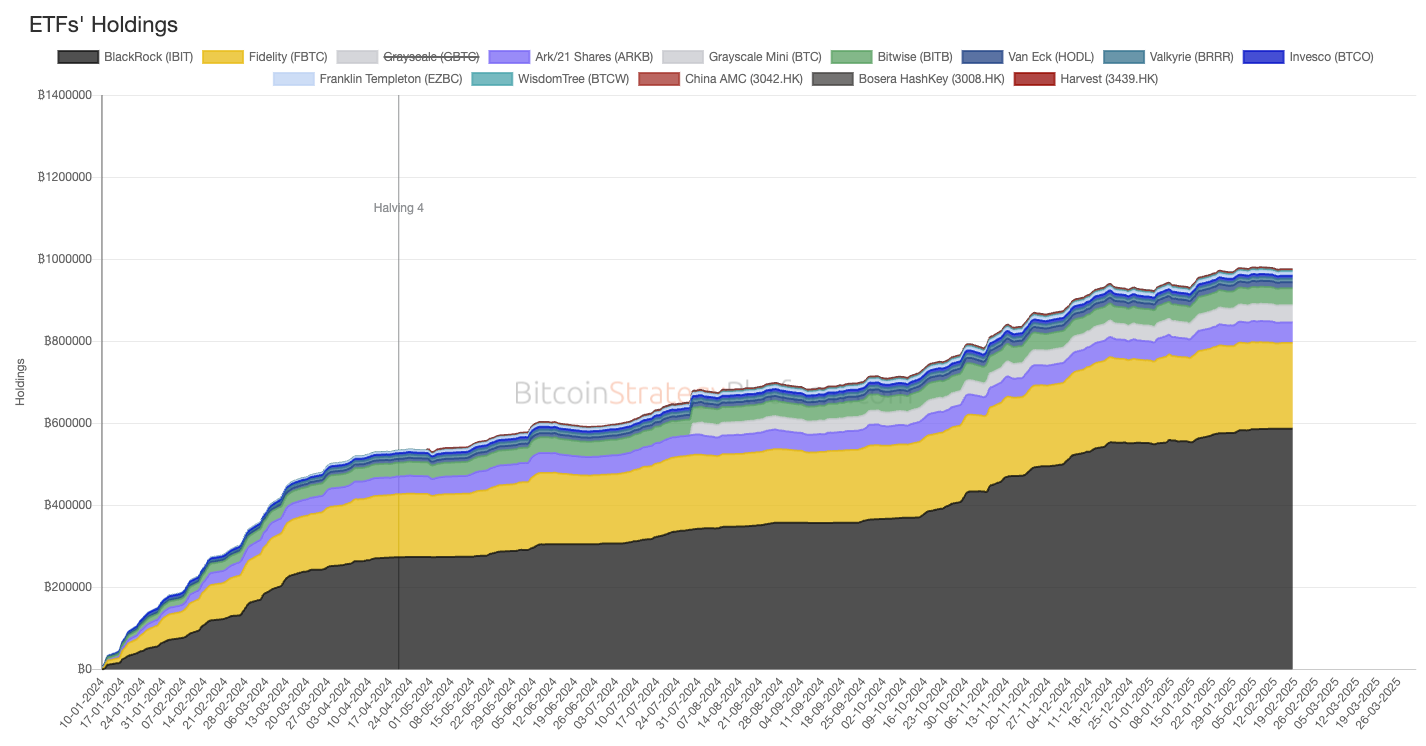


Every crypto recovery begins with Bitcoin.
As liquidity returns, institutional and large-scale capital typically flows into Bitcoin first. There are several reasons for this:
1. Liquidity and Trust
Bitcoin is the most liquid and established cryptocurrency, making it the preferred entry point for institutional investors.
2. Macro Narrative
In a post-war environment, concerns about inflation, currency stability, and monetary policy often intensify. Bitcoin’s positioning as a hedge against these risks strengthens.
3. Market Signaling
When Bitcoin begins to rally, it signals confidence returning to the broader crypto ecosystem.
4. Capital Rotation Catalyst
Once Bitcoin stabilizes in an uptrend, capital begins rotating into altcoins—particularly those tied to strong narratives.
This progression is consistent across cycles and becomes even more pronounced during periods of expanding post-war liquidity.
The Rise of AI Tokens in a Post-Crisis World

While Bitcoin captures the initial inflows, the most explosive gains often occur in narrative-driven sectors.
One of the most powerful narratives today is AI tokens.
Artificial intelligence is reshaping industries globally—from automation and data processing to defense and infrastructure. War itself accelerates technological advancement, particularly in AI systems, logistics, and data intelligence.
Crypto intersects with this trend by enabling:
- Decentralized AI compute networks
- Permissionless data marketplaces
- Autonomous agents operating on-chain
This intersection creates a compelling investment narrative—one that attracts both speculative capital and long-term institutional interest.
In a post-war liquidity environment, capital flows toward narratives that represent the future.
AI is at the center of that future.
Three AI Altcoins Positioned for Growth
Render (RNDR): Powering Decentralized GPU Compute

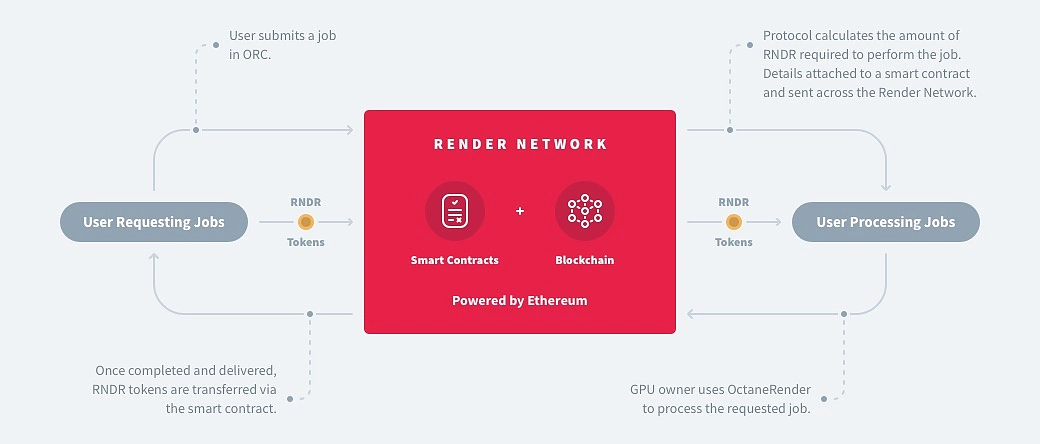
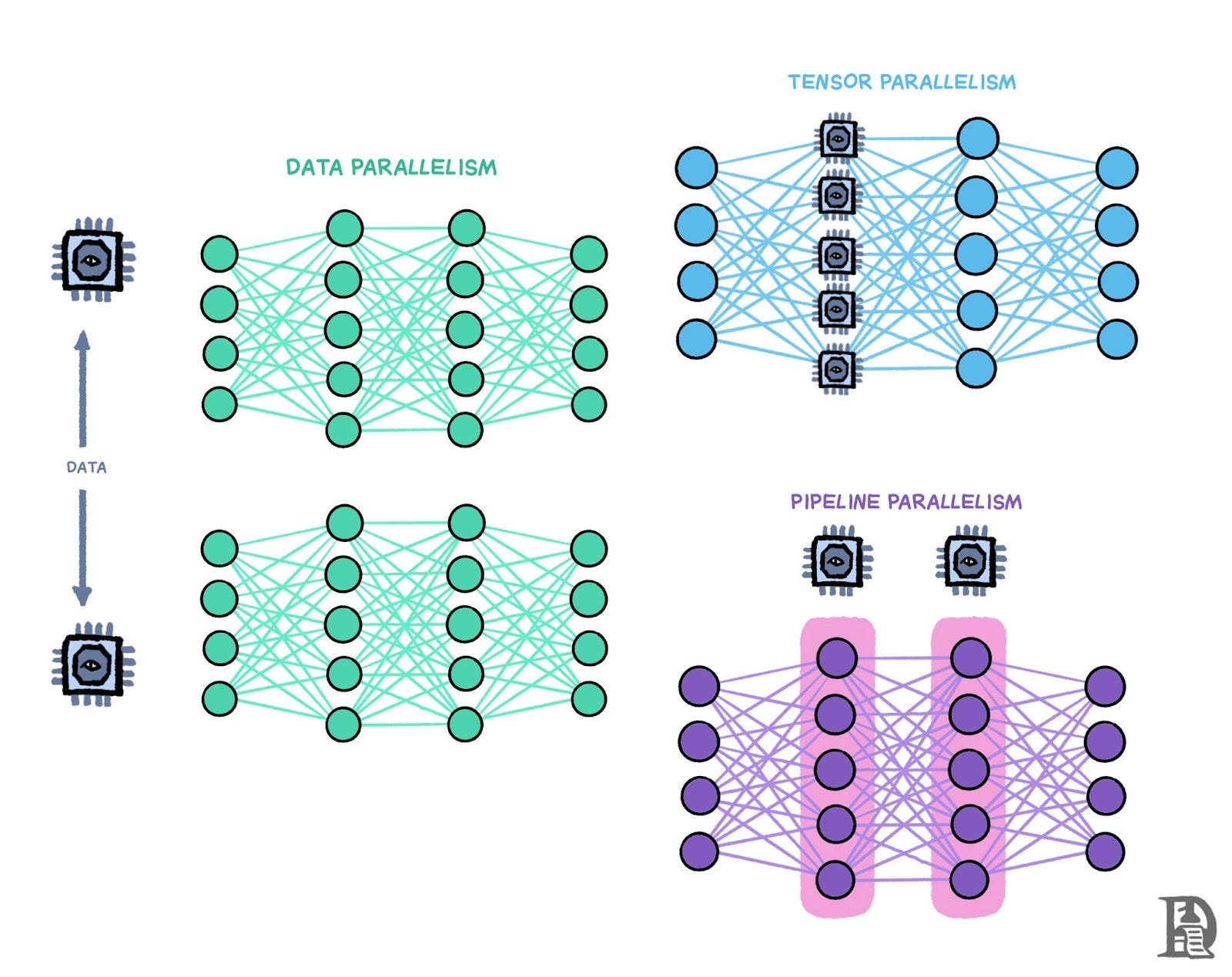
Render (RNDR) focuses on decentralized GPU computing, allowing users to access rendering power for AI, graphics, and machine learning tasks.
As demand for AI computation grows, GPU resources become increasingly valuable. Render provides a marketplace for this compute power, positioning itself at the intersection of AI infrastructure and blockchain.
In a liquidity-driven environment:
- Increased capital → higher demand for AI exposure
- GPU scarcity → narrative strength
- Infrastructure plays → institutional interest
This makes Render (RNDR) a strong candidate in the AI narrative cycle.
Fetch.ai (FET): Autonomous AI Agents
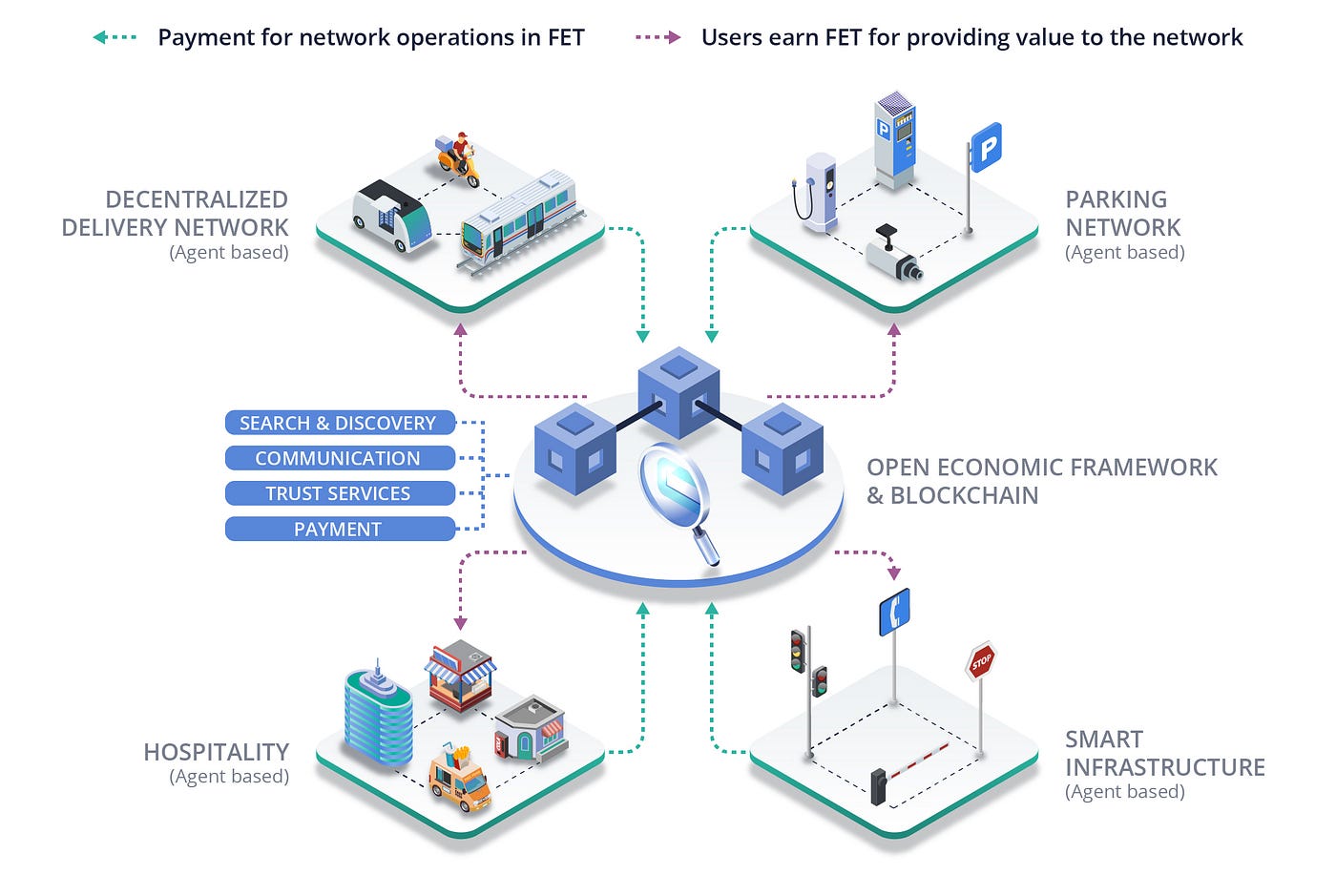


Fetch.ai (FET) is built around autonomous AI agents—software entities capable of performing tasks, making decisions, and interacting with data without human intervention.
These agents can be used in:
- Supply chains
- Financial systems
- Smart cities
In a post-crisis environment, efficiency and automation become critical. This plays directly into the strengths of Fetch.ai (FET).
The combination of:
- Real-world utility
- Strong narrative alignment
- Growing ecosystem
positions it well for potential upside when post-war liquidity returns.
Akash Network (AKT): Decentralized Cloud for AI

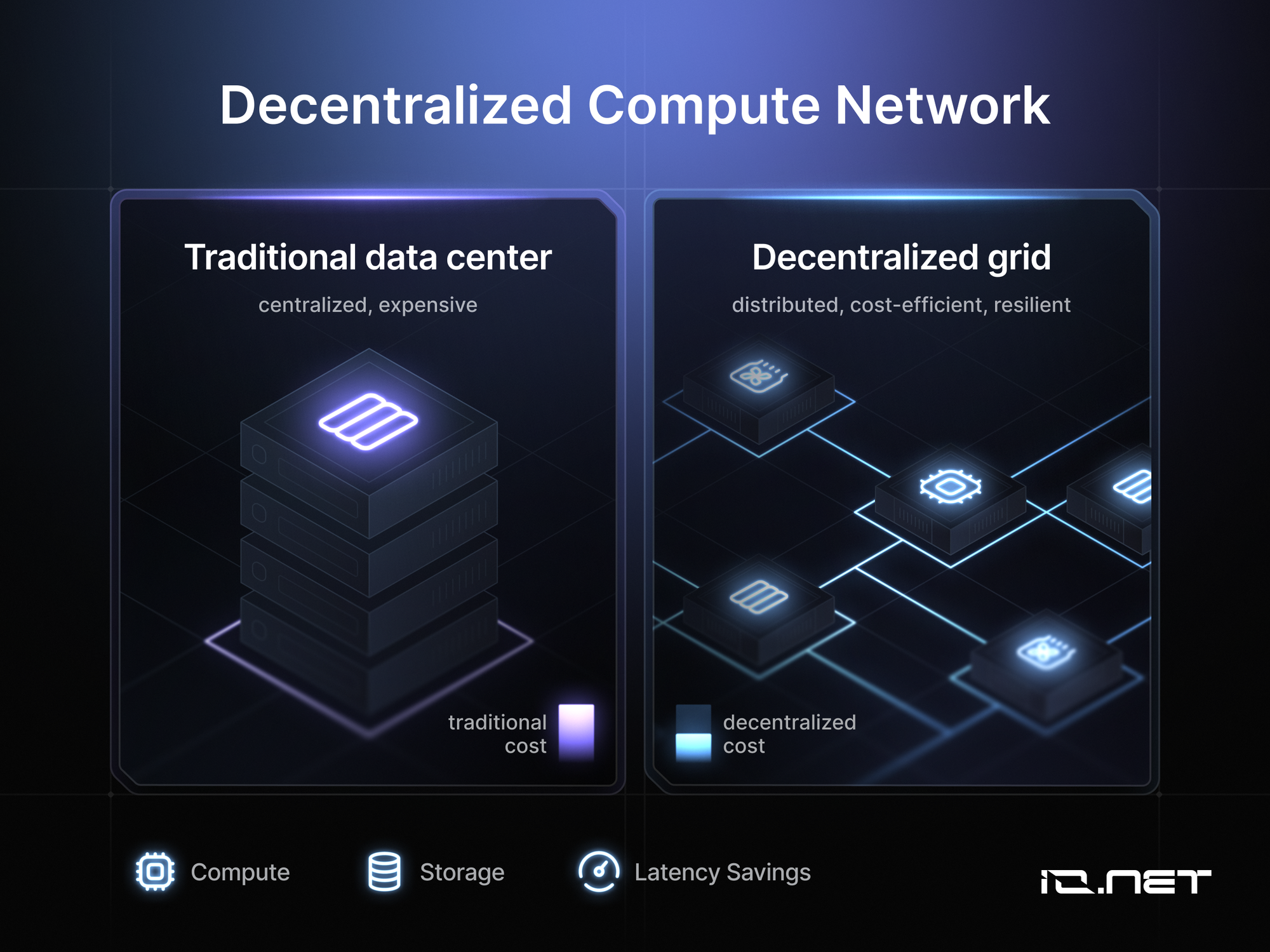
Akash Network (AKT) provides decentralized cloud computing services, offering an alternative to centralized providers.
As AI workloads increase, the demand for compute infrastructure grows significantly. Akash enables:
- Lower-cost cloud computing
- Permissionless deployment
- Scalable infrastructure
In a world shaped by geopolitical tensions, decentralized infrastructure becomes even more relevant.
Akash Network (AKT) aligns with both:
- The AI narrative
- The push toward decentralization
This dual positioning makes it particularly compelling in the next phase of the market cycle.
Capital Rotation: From Bitcoin to AI Altcoins

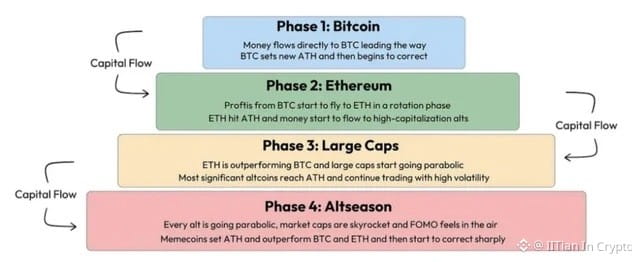
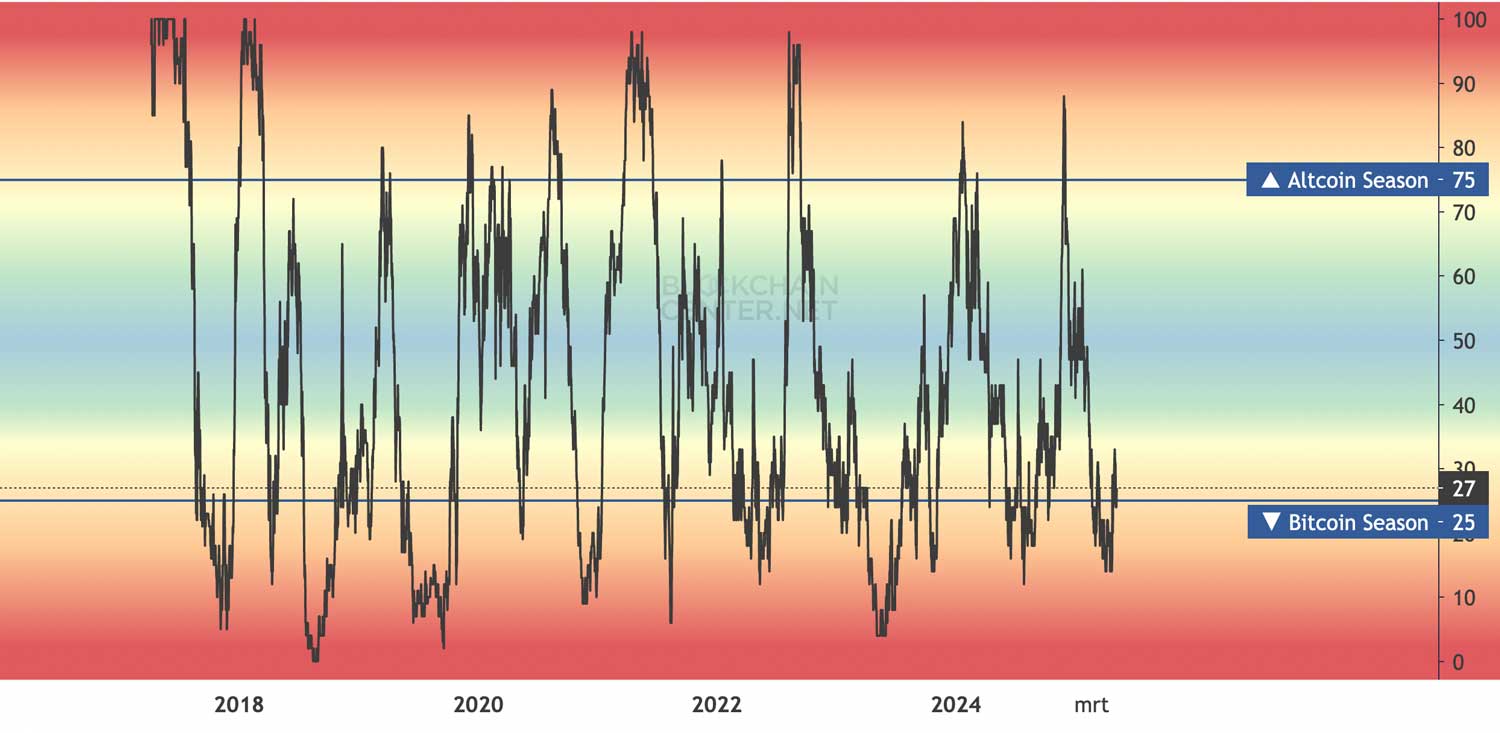
One of the most important dynamics in crypto markets is capital rotation.
The sequence typically unfolds as follows:
- Bitcoin rallies first as liquidity returns
- Confidence builds across the market
- Capital rotates into altcoins
- Narrative-driven sectors outperform
This is where AI tokens can experience exponential growth.
The key is timing.
By the time retail investors begin chasing altcoins, much of the early move has already occurred. Positioning during the transition into post-war liquidity is where asymmetric opportunities exist.
The Psychology Behind Explosive Moves
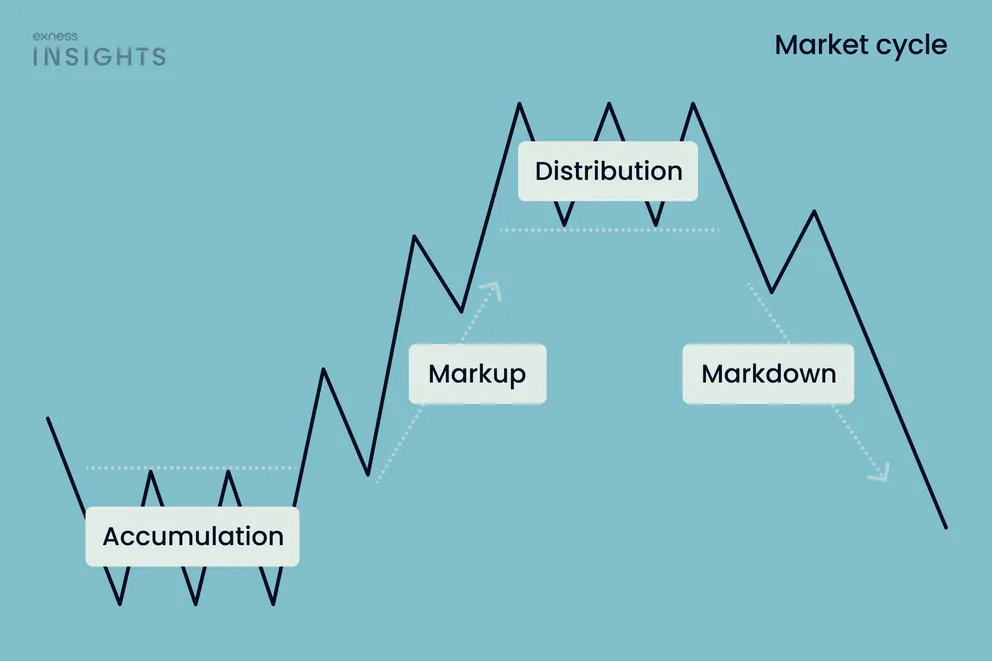


Market movements are driven as much by psychology as they are by fundamentals.
After a crisis:
- Fear turns into relief
- Relief turns into optimism
- Optimism turns into FOMO
This emotional progression fuels rapid price increases.
In crypto, where volatility is already high, this effect is amplified.
The result:
- Accelerated price action
- Increased participation
- Narrative-driven rallies
Understanding this psychological cycle is essential for navigating the market effectively.
Risks in a Post-War Crypto Rally
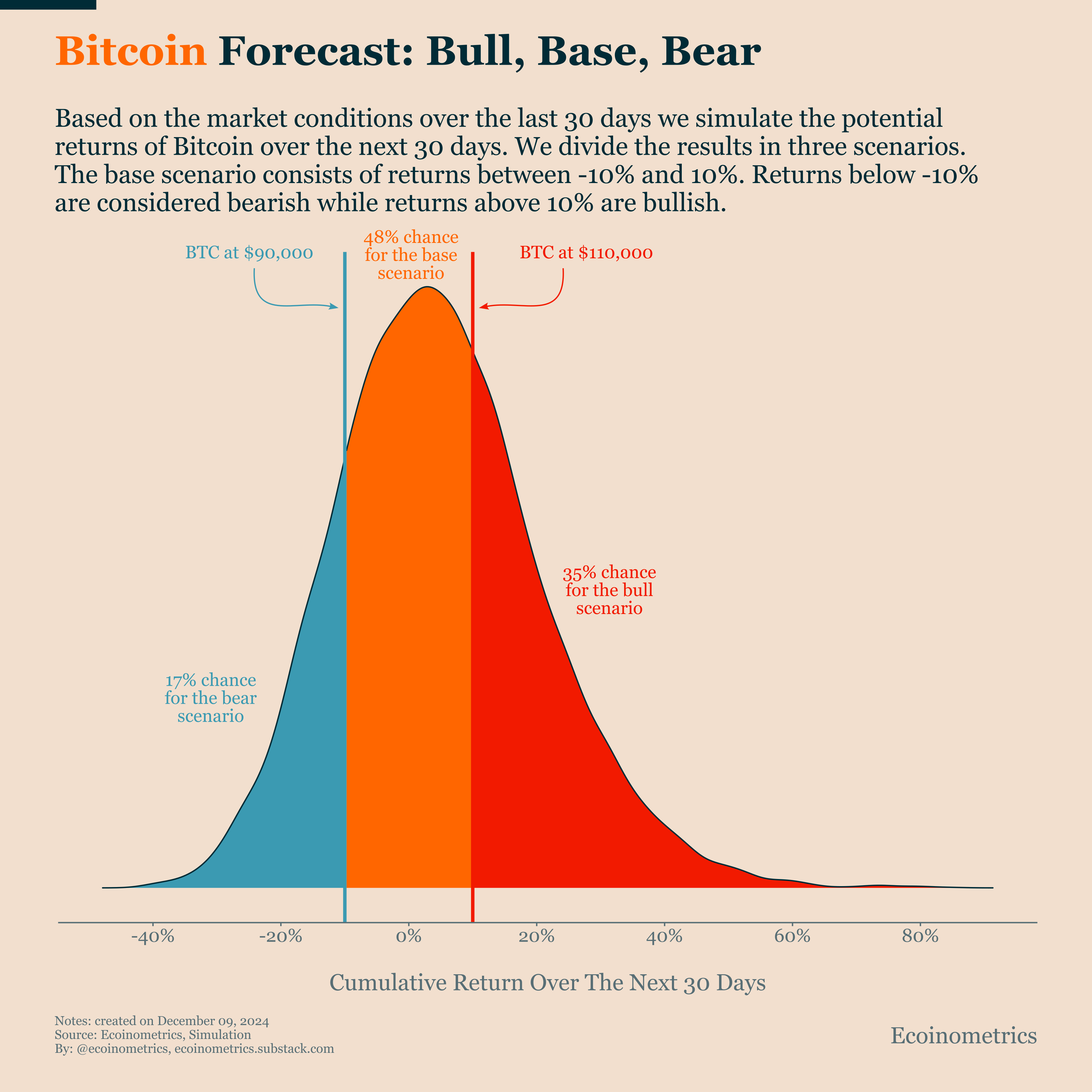

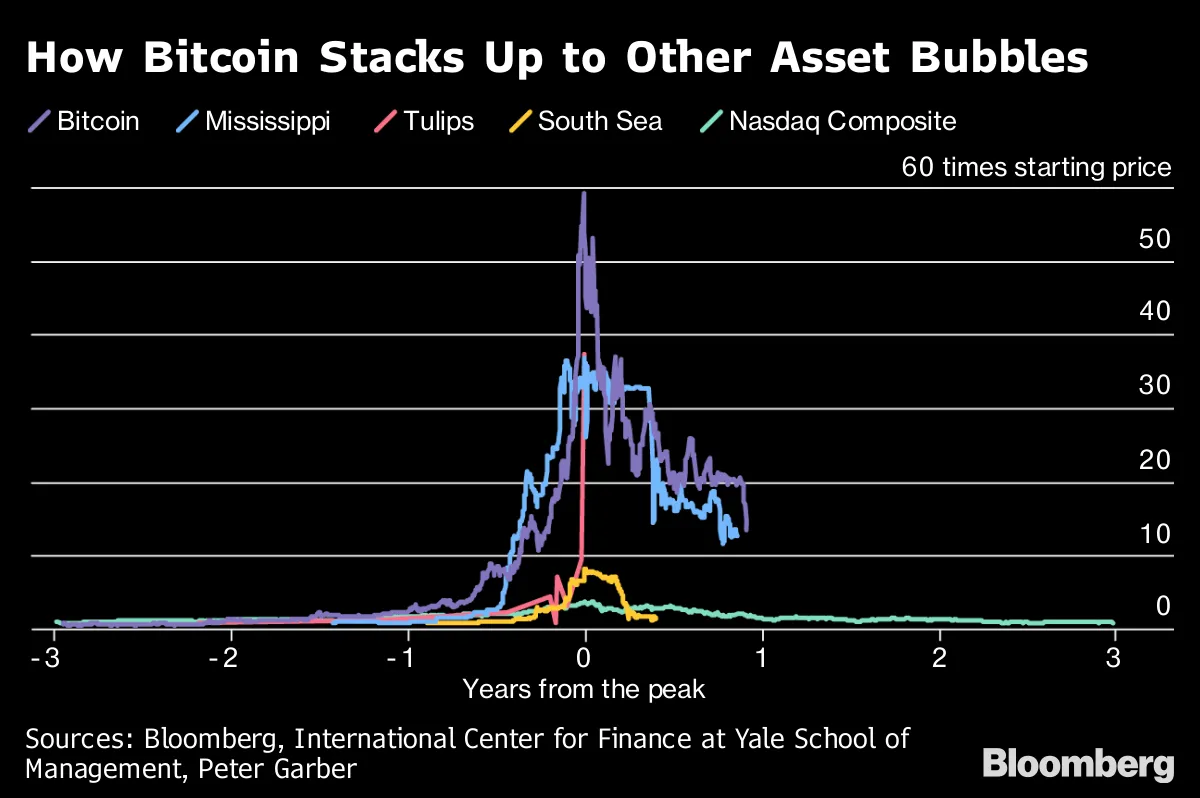
While the upside potential is significant, risks remain.
Liquidity Reversal
If central banks tighten policy, liquidity can contract quickly.
Narrative Overextension
As more capital flows into AI tokens, valuations may become inflated.
Execution Risk
Not all projects will succeed—many lack real adoption or scalability.
Volatility
Crypto markets remain highly volatile, even during bullish phases.
Managing these risks is critical for long-term success.
Final Thoughts: Positioning for the Next Phase
The relationship between war, liquidity, and crypto is not always intuitive.
During conflict, markets become cautious. But once stability begins to return, post-war liquidity drives a powerful shift toward risk assets.
In this environment:
- Bitcoin leads the recovery
- Capital rotates into altcoins
- Strong narratives—like AI tokens—drive outsized gains
Projects like Render (RNDR), Fetch.ai (FET), and Akash Network (AKT) sit at the intersection of technology and capital flows, making them key players to watch.
The opportunity is not in reacting to chaos—it is in understanding what happens next.
Because in crypto, as in markets more broadly…
the biggest moves happen when uncertainty fades and liquidity returns.