

Introduction: The Illusion of What’s “Hot”



If you’ve spent any time in crypto, you’ve probably noticed a pattern.
The same coins dominate social media.
The same narratives repeat across platforms.
And the same waves of excitement pull in thousands of new participants.
But there’s a problem.
By the time something is trending, the smart money has already moved.
This is one of the most misunderstood dynamics in the crypto market—and one of the biggest reasons why most people struggle to generate consistent results.
Because while retail investors chase attention, experienced participants are positioning based on something else entirely:
Signals, not hype.
What “Smart Money” Actually Means in Crypto
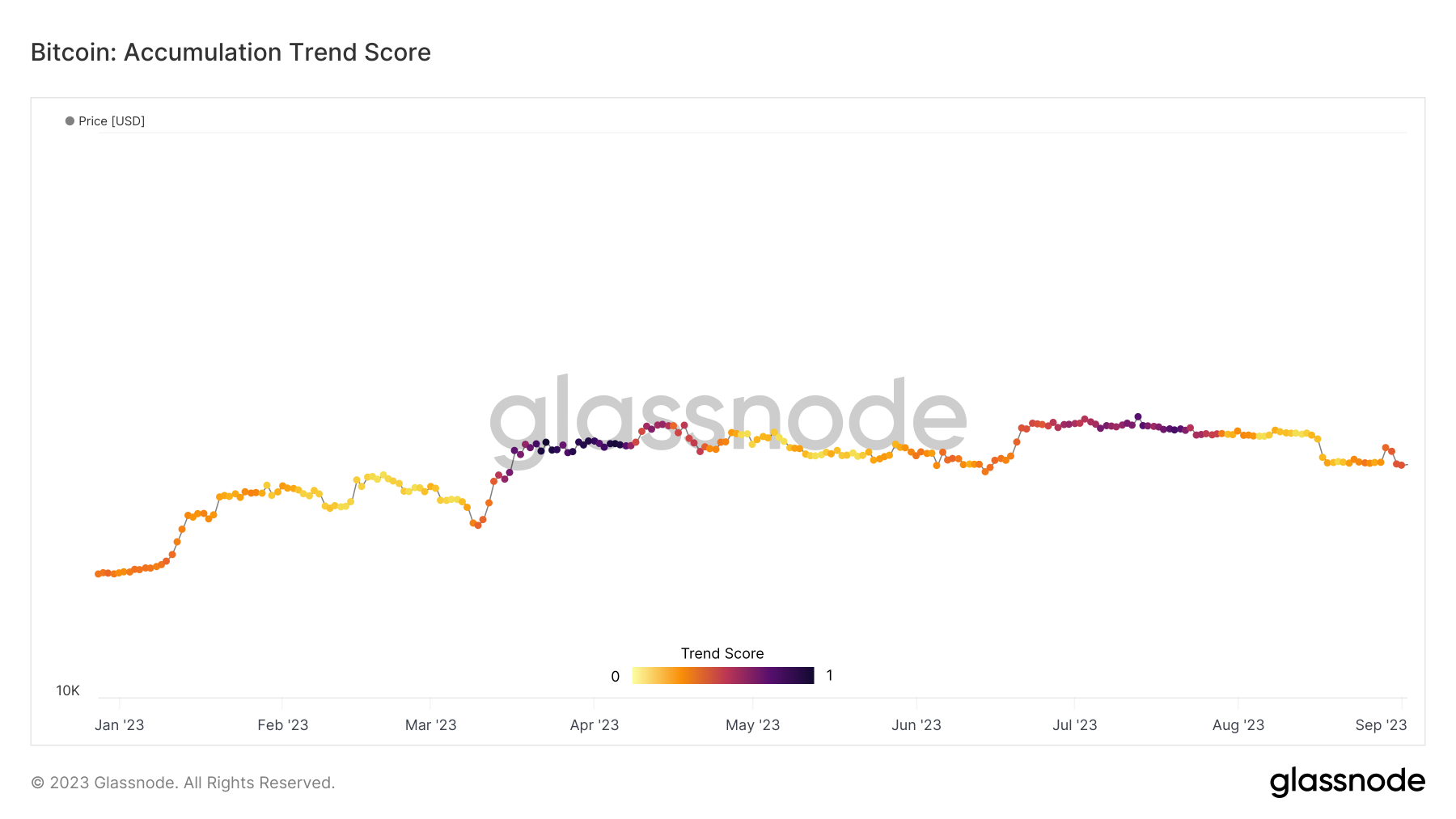

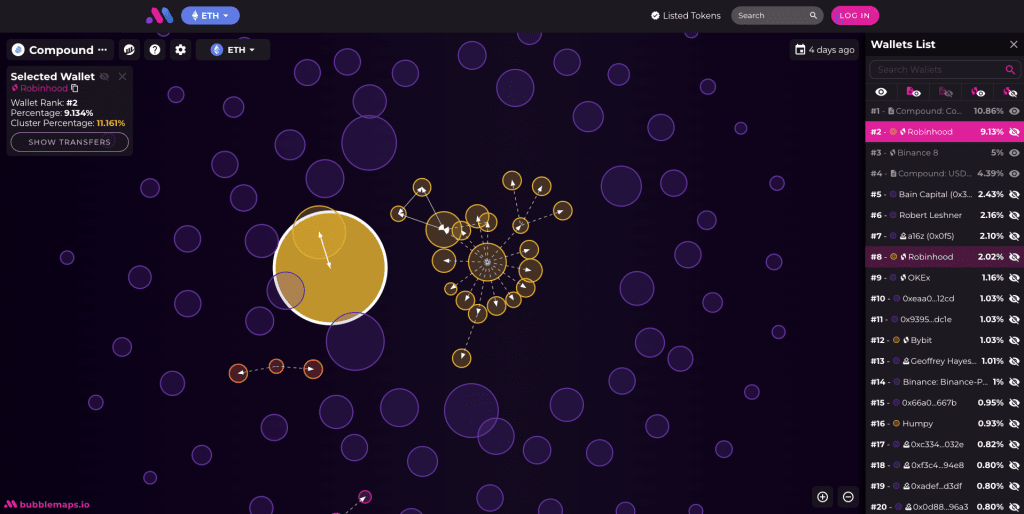
The term smart money gets used frequently, but it’s often misunderstood.
It doesn’t just refer to institutions or wealthy investors.
In the context of crypto, smart money represents participants who:
- Understand market cycles
- Identify opportunities early
- Act before narratives become mainstream
These can include:
- Experienced traders
- Early adopters
- Developers and builders
- High-conviction investors
What separates them isn’t just capital.
It’s behavior.
They don’t react to the market—they anticipate it.
And that anticipation is what creates their edge.
The Retail Trap: Chasing What’s Already Obvious
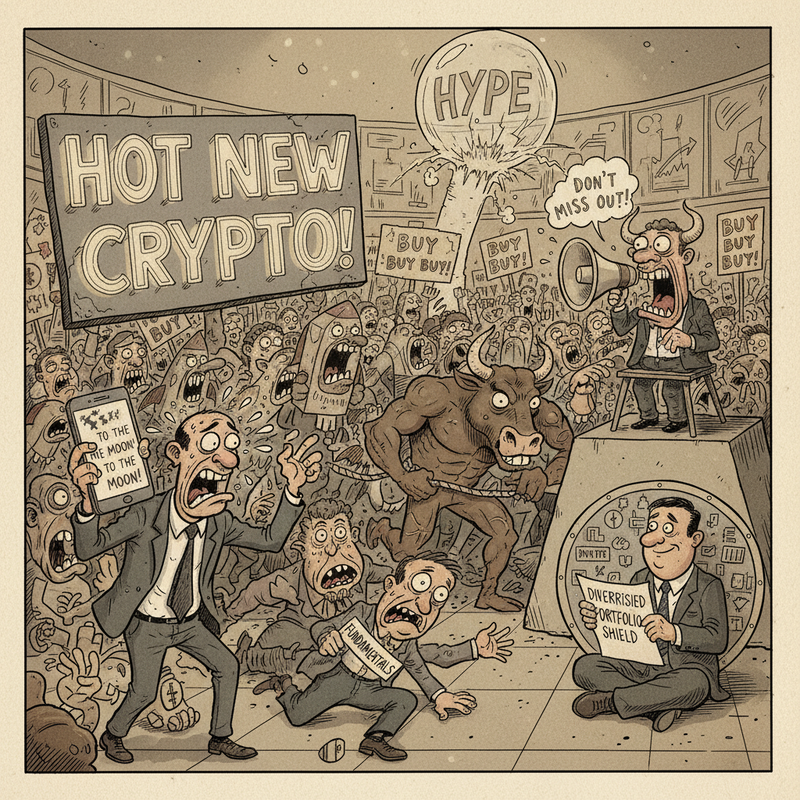
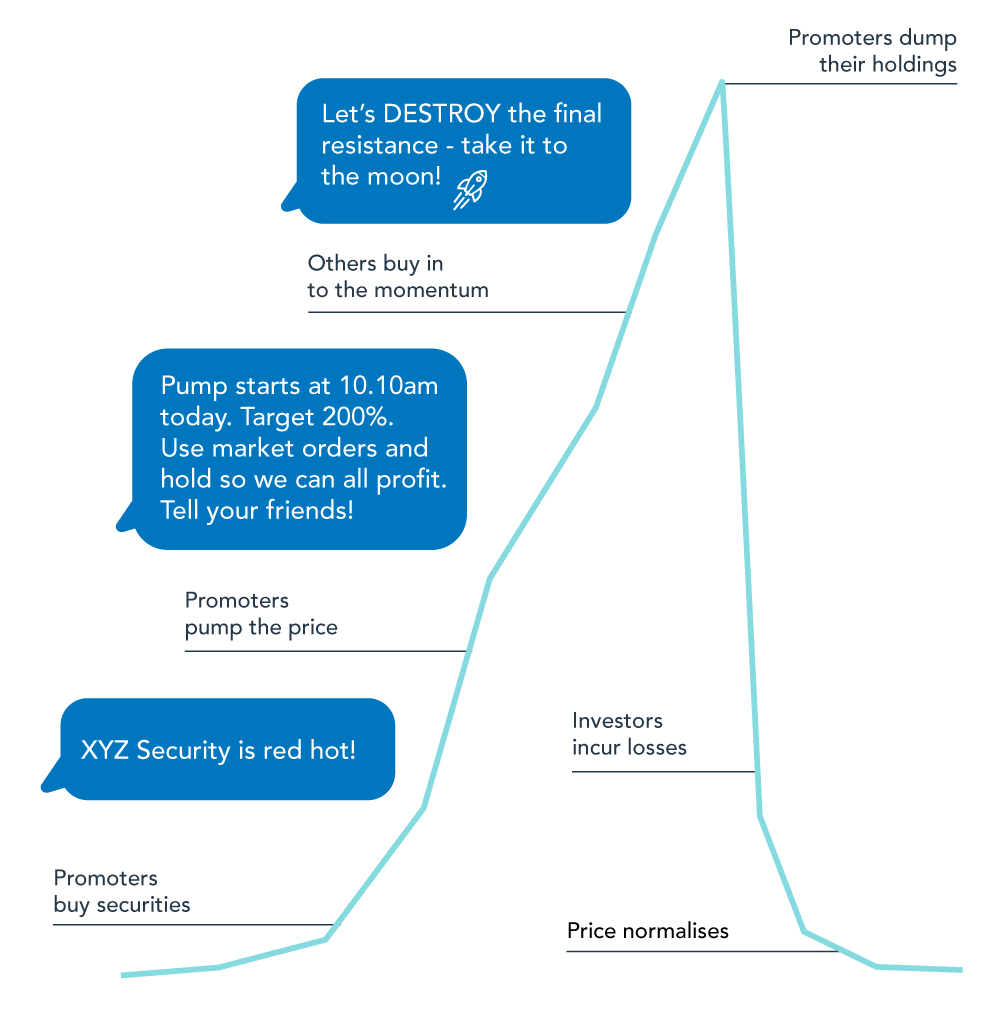

Most participants follow a predictable pattern:
- A project starts gaining traction
- Social media attention increases
- Price begins to move
- Retail investors enter
- Momentum slows or reverses
This cycle repeats constantly.
And it creates a trap.
Because what looks like opportunity is often just the final stage of a move.
By the time a project is widely discussed:
- Early investors have already accumulated
- The narrative is fully formed
- Risk-to-reward has shifted
This is where the concept of exit liquidity comes into play.
Late participants provide liquidity for early ones to exit.
Not intentionally—but structurally.
Smart Money Moves Before the Narrative
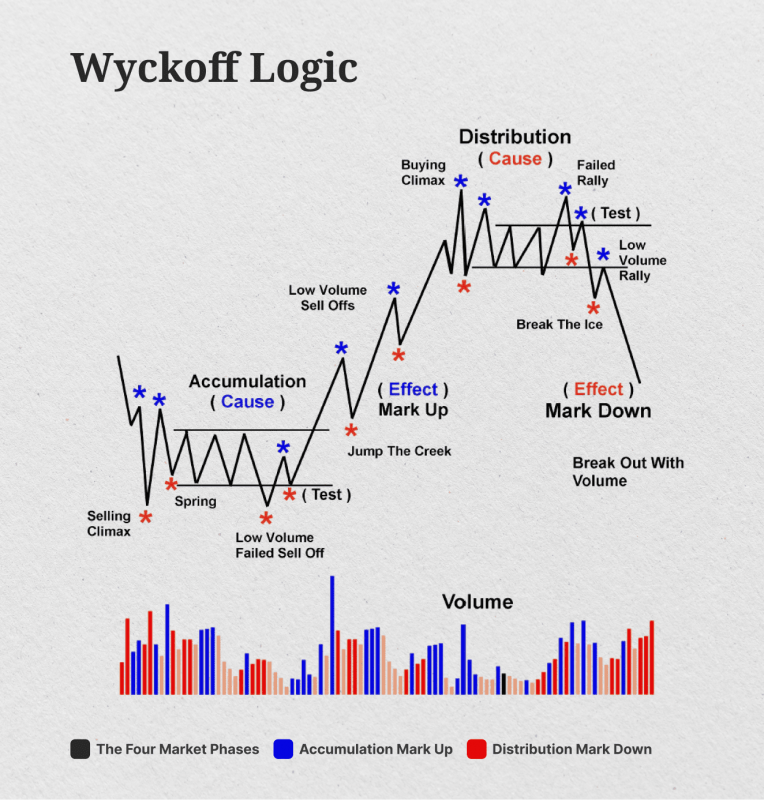
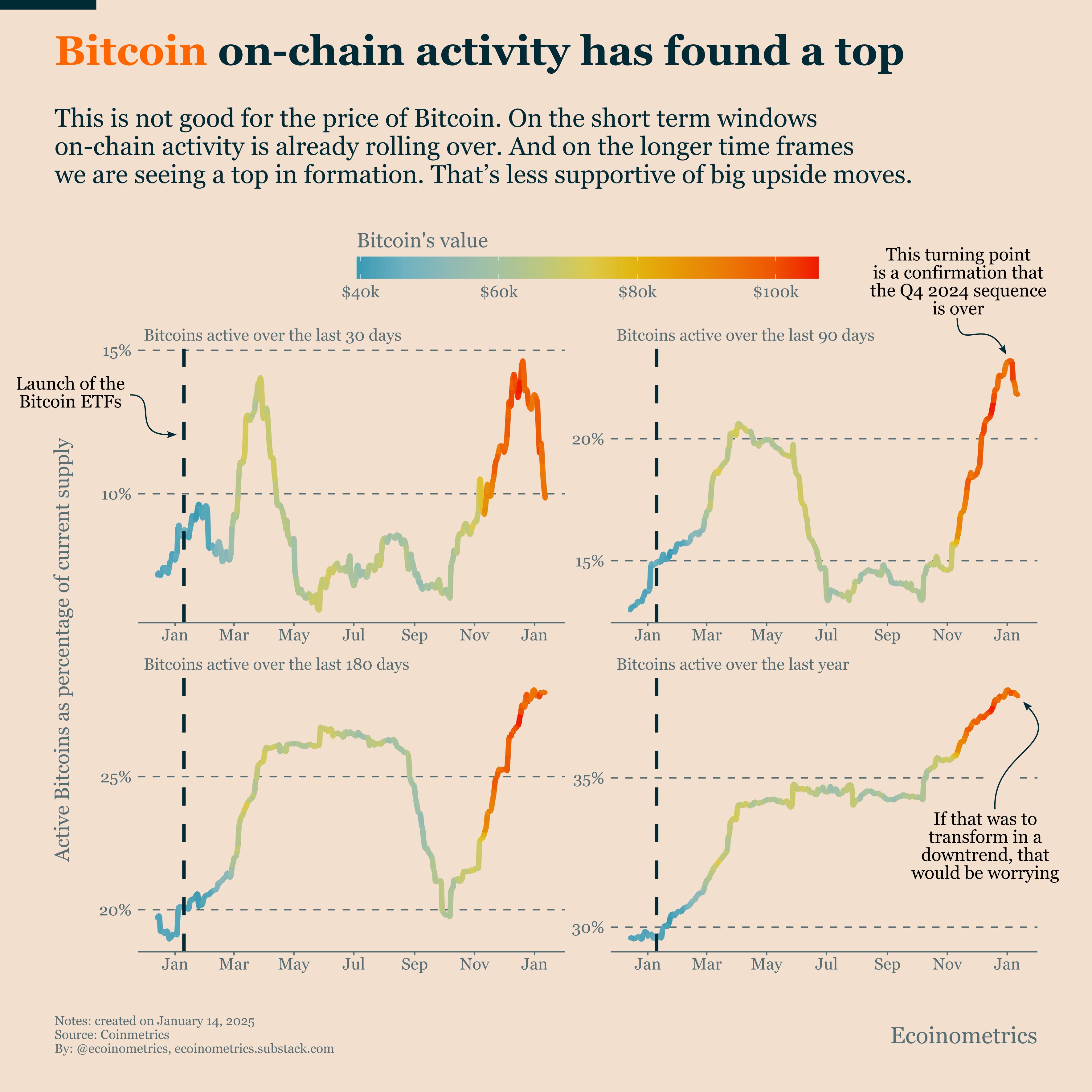
One of the most important principles in crypto investing is this:
Narratives follow positioning—not the other way around.
Before a project trends:
- A small group is already involved
- Activity is increasing quietly
- Builders are actively developing
This is known as the accumulation phase.
It’s where:
- Risk is higher
- Attention is lower
- Potential upside is greatest
Smart money focuses on this phase.
They don’t wait for validation.
They identify early signals and position accordingly.
Because once the narrative arrives, much of the opportunity has already been captured.
Signals vs Hype: What Actually Matters


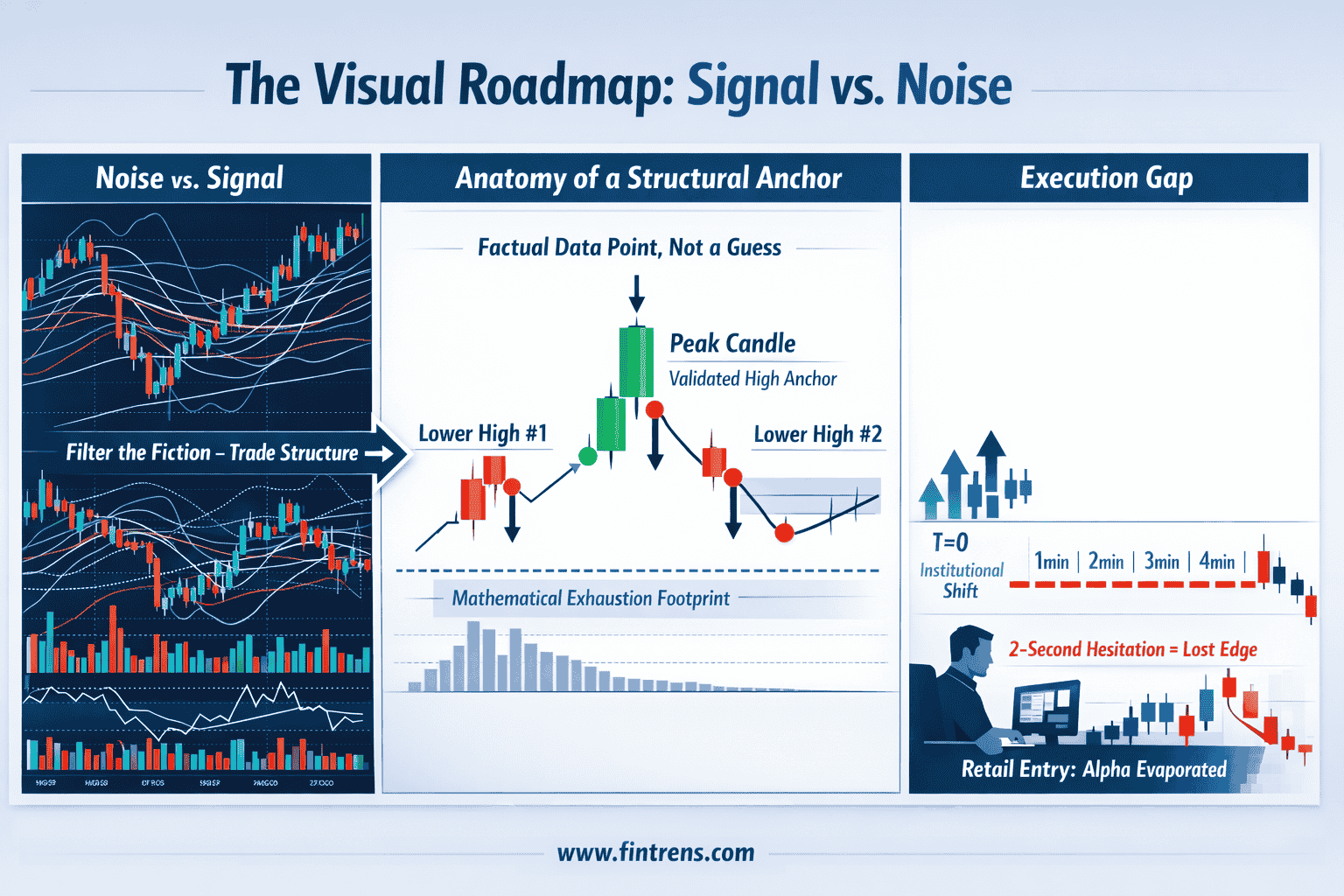
To understand how smart money operates, you need to understand the difference between signals and hype.
Hype looks like:
- Trending hashtags
- Influencer posts
- Rapid price spikes
- Viral narratives
Signals look like:
- Increasing on-chain activity
- Growing user engagement
- Consistent platform usage
- Developer activity
Hype is visible.
Signals are subtle.
But signals are what matter.
Because they reflect real behavior—not just perception.
And in crypto, behavior drives value.
Where Smart Money Is Actually Moving
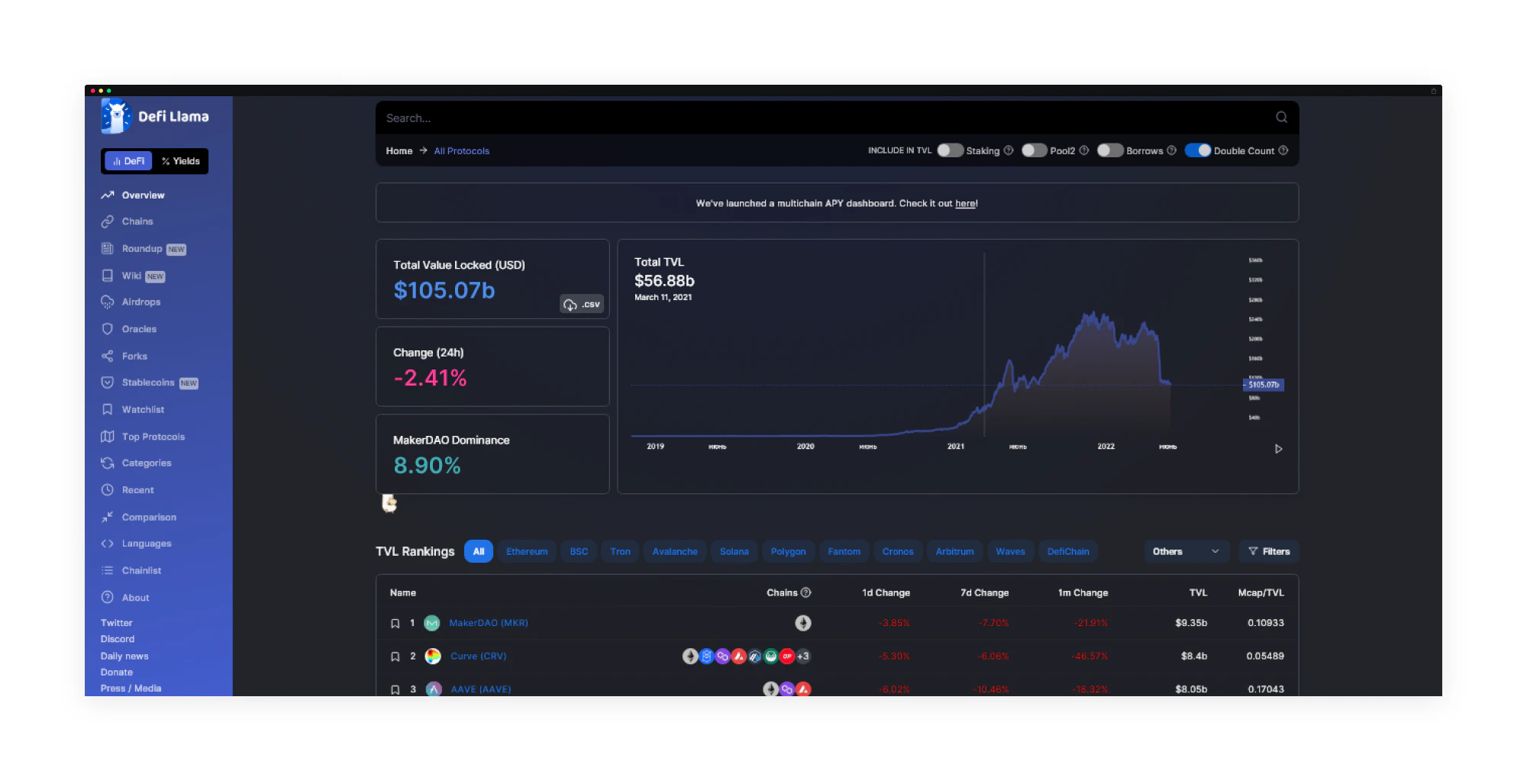


So where is smart money positioning today?
Not in the most talked-about tokens.
Instead, it’s often focused on:
- Emerging platforms
- Infrastructure protocols
- Early-stage ecosystems
- Under-the-radar narratives
These areas tend to have:
- Lower competition
- Higher uncertainty
- Greater potential upside
For example, instead of chasing already popular tokens, smart participants are:
- Testing new platforms
- Engaging with early products
- Monitoring on-chain data
This approach allows them to identify opportunities before they become obvious.
Why Infrastructure Is the Real Edge

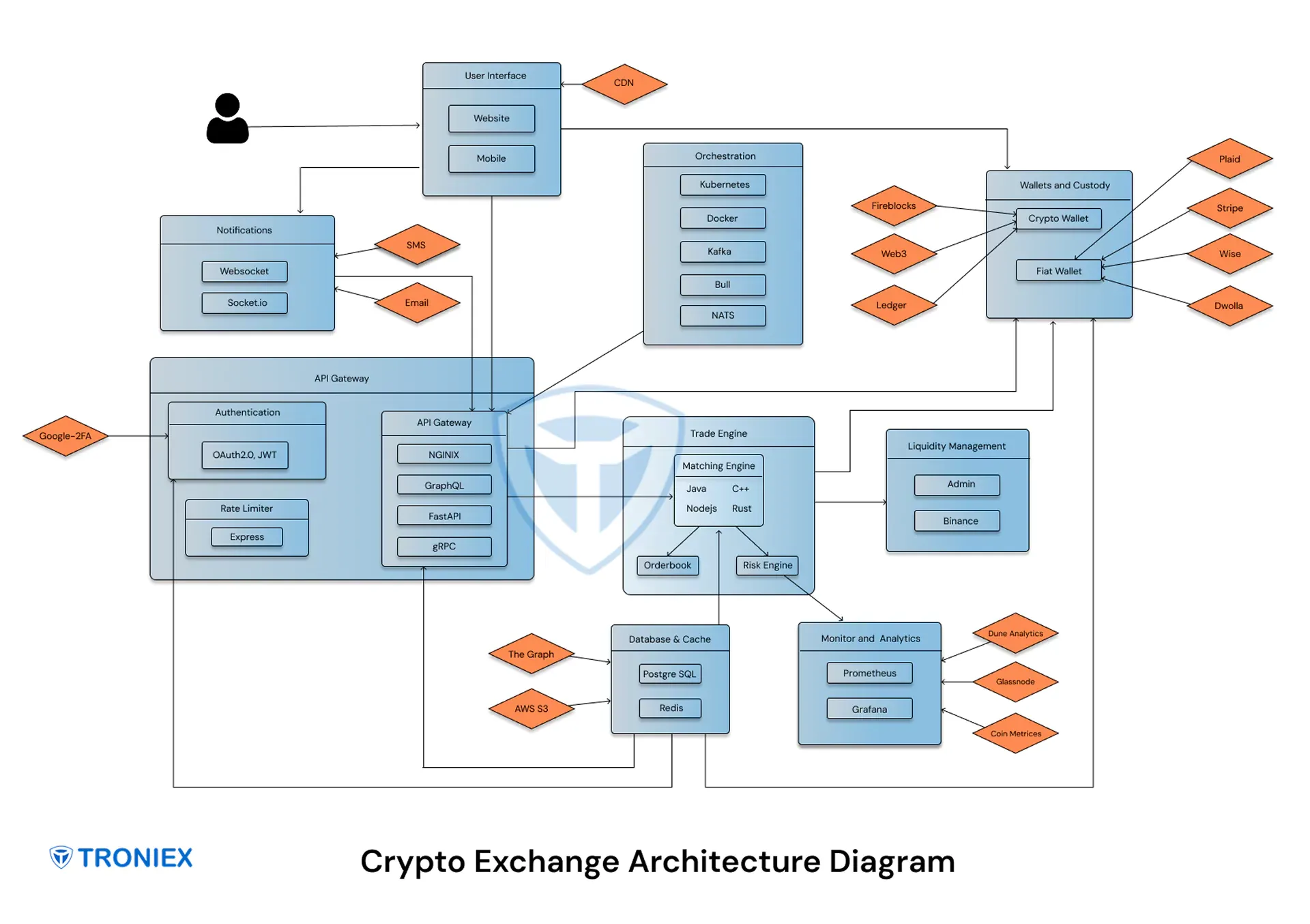

One of the clearest patterns in recent cycles is the shift toward infrastructure-focused opportunities.
Infrastructure includes:
- Exchanges
- Layer 1 and Layer 2 networks
- Data protocols
- Trading platforms
These systems:
- Attract real users
- Generate consistent activity
- Create long-term value
And importantly, they often reward early participants through:
- Token distributions
- Incentive programs
- Ecosystem growth
This is why many of the most significant opportunities are no longer tied to speculation alone.
They are tied to participation.
Behavior Is the Real Differentiator

At its core, the difference between success and failure in crypto comes down to behavior.
Most people:
- React to price
- Follow trends
- Seek validation
Smart money:
- Anticipates trends
- Follows data
- Acts early
This behavioral gap is what creates opportunity.
Because markets are driven by collective behavior.
And those who act differently from the crowd often achieve different results.
How to Start Thinking Like Smart Money


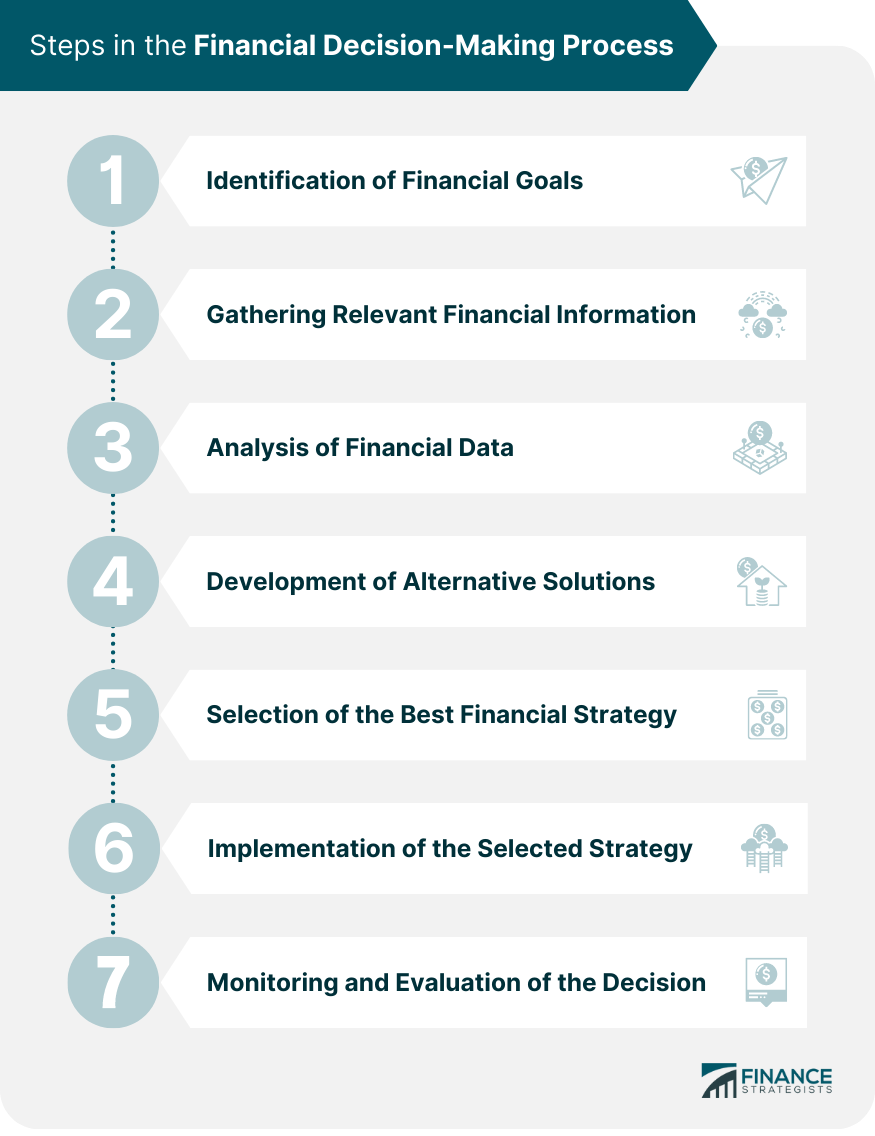
If you want to move beyond chasing trends, you need to shift your approach.
Start by asking better questions:
Instead of:
“What’s pumping right now?”
Ask:
“Where is activity increasing before attention?”
Instead of:
“What are people saying?”
Ask:
“What are people actually doing?”
This shift moves you from reactive to proactive.
And that’s where the edge begins.
If you’re looking to develop this mindset further, there are structured ways to accelerate the process. One option is exploring a free trading bootcamp like the one available at earncryptoprofits.com.
It’s designed to help you:
- Understand market cycles
- Identify early signals
- Avoid common retail mistakes
It’s not about shortcuts.
It’s about building a framework.
The Reality: This Isn’t Easy
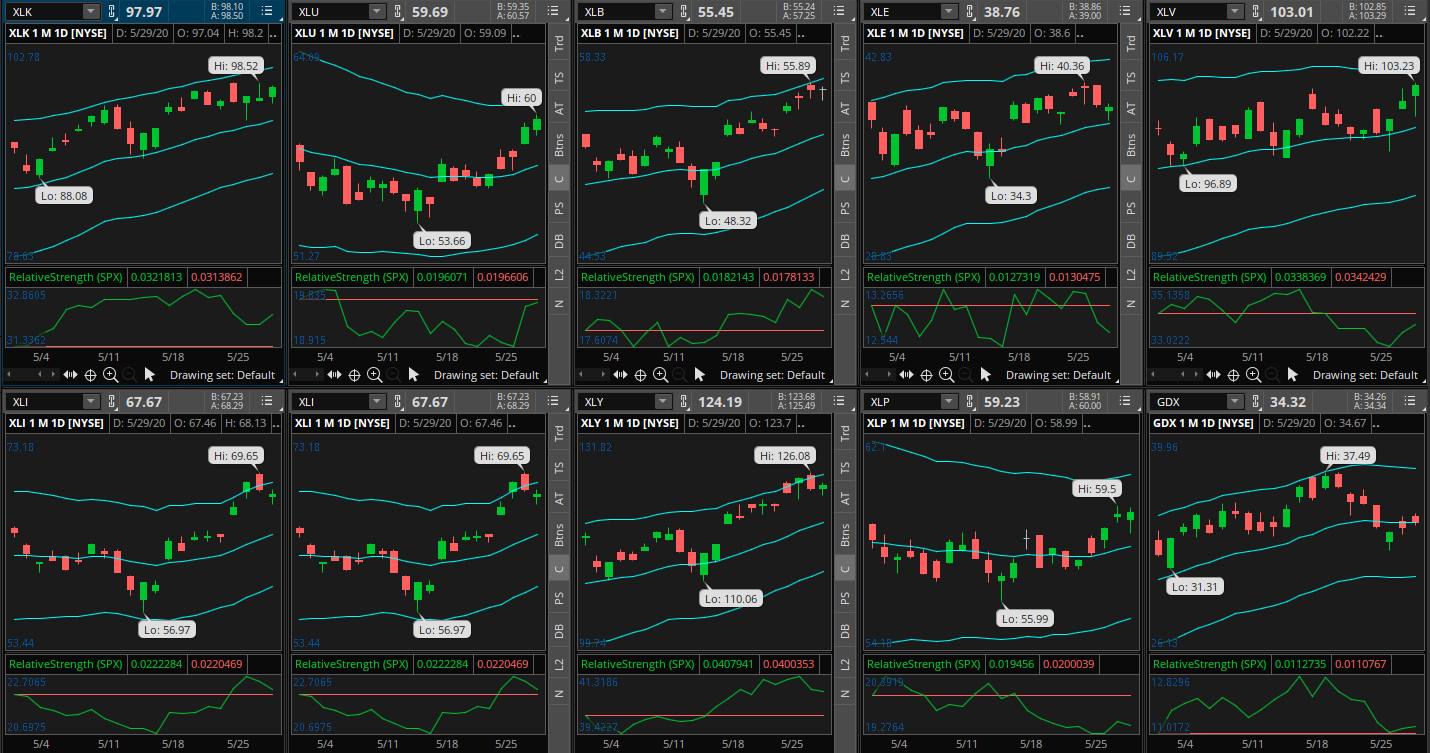


It’s important to stay realistic.
Following smart money strategies isn’t easy.
It requires:
- Patience
- Discipline
- Comfort with uncertainty
Early-stage opportunities don’t come with guarantees.
They come with risk.
And that’s why most people avoid them.
But that’s also why they exist.
Because if everything were obvious, there would be no edge.
Conclusion: Stop Following Attention, Start Following Signals
The biggest mistake in crypto investing isn’t picking the wrong coin.
It’s following the wrong process.
Most people:
- Chase what’s visible
- Enter after momentum
- React to narratives
But smart money operates differently.
They:
- Identify signals early
- Position before attention
- Focus on behavior, not hype
This is the shift.
And once you see it, you can’t unsee it.
Because the market doesn’t reward those who follow the crowd.
It rewards those who understand where the crowd is going—before it gets there.
If you can align with that process, you don’t need to chase opportunities.
You’ll start finding them before they become obvious.