

The race for the fastest execution blockchain has become one of the defining narratives of the modern crypto industry. In 2026, performance is no longer a secondary feature — it is infrastructure. High-frequency DeFi protocols, real-time gaming engines, AI-integrated smart contracts, and global payment rails demand low latency, high throughput, and near-instant transaction finality.
But identifying the “fastest” blockchain is more nuanced than scanning headline TPS (transactions per second) numbers. Execution speed depends on architecture, consensus design, validator topology, and real-world load conditions.
This analysis breaks down what “fastest” actually means, evaluates leading contenders, and examines who truly leads the execution race today.
Why Speed Matters in Modern Blockchain Infrastructure

Speed is not cosmetic. It determines viability.
In early blockchain generations, throughput constraints limited adoption. Today, use cases require production-grade performance:
- DeFi trading platforms need sub-second responsiveness.
- On-chain gaming requires millisecond-level state updates.
- Stablecoin payment networks compete with Visa-scale settlement systems.
- AI-integrated smart contracts depend on rapid execution cycles.
Without high execution speed, networks suffer from:
- Congestion
- Fee spikes
- Latency-induced arbitrage risks
- Poor user experience
Thus, the fastest blockchain is not merely impressive — it is commercially strategic.
Defining “Fastest”: The Metrics That Actually Matter


When evaluating blockchain performance, three primary metrics dominate:
1. Transactions Per Second (TPS)
This measures raw throughput capacity. However:
- Theoretical TPS ≠ sustained real-world TPS.
- Many networks advertise peak laboratory numbers.
- Sustained throughput under load is the meaningful benchmark.
2. Block Time
Block time reflects how frequently new blocks are produced. Shorter block times often reduce perceived latency, but they do not automatically guarantee faster finality.
3. Finality
Finality determines when a transaction becomes irreversible. For financial systems, deterministic finality (1–2 seconds) is superior to probabilistic confirmation models.
True execution speed is the combined effect of throughput + latency + finality guarantees.
The Leading Contenders in 2026
Several Layer-1 blockchains dominate discussions around execution performance.
🥇 Solana
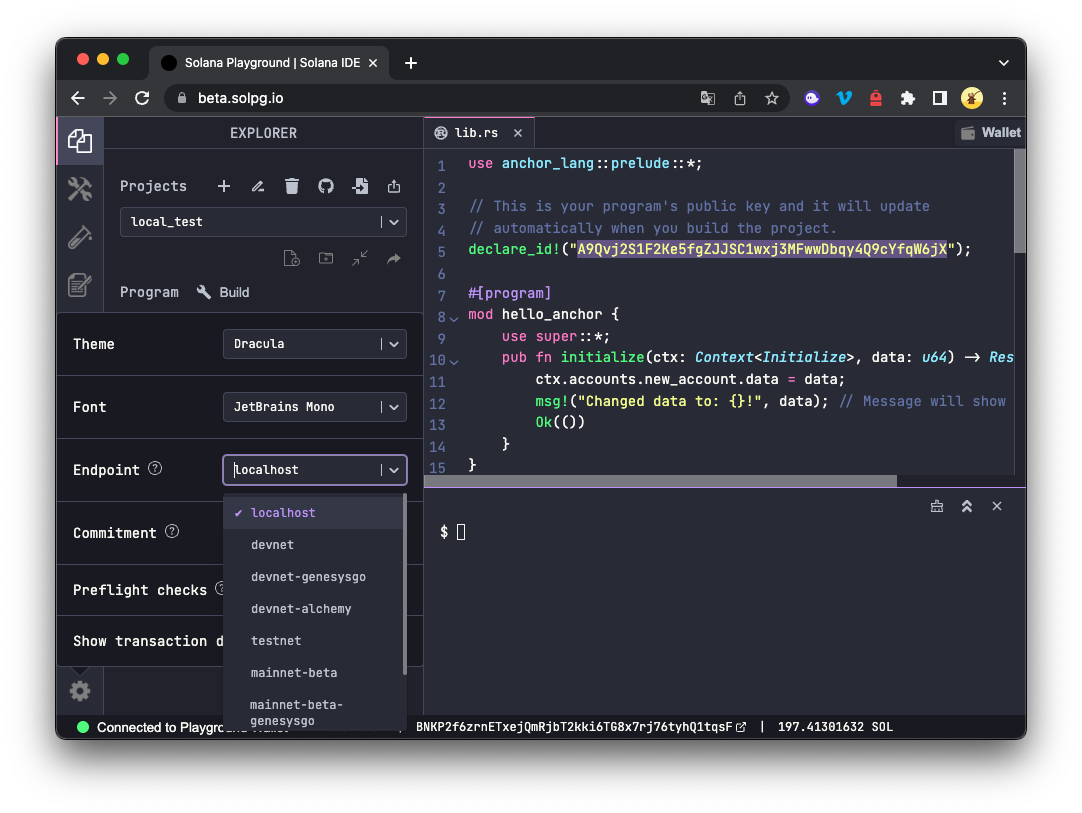
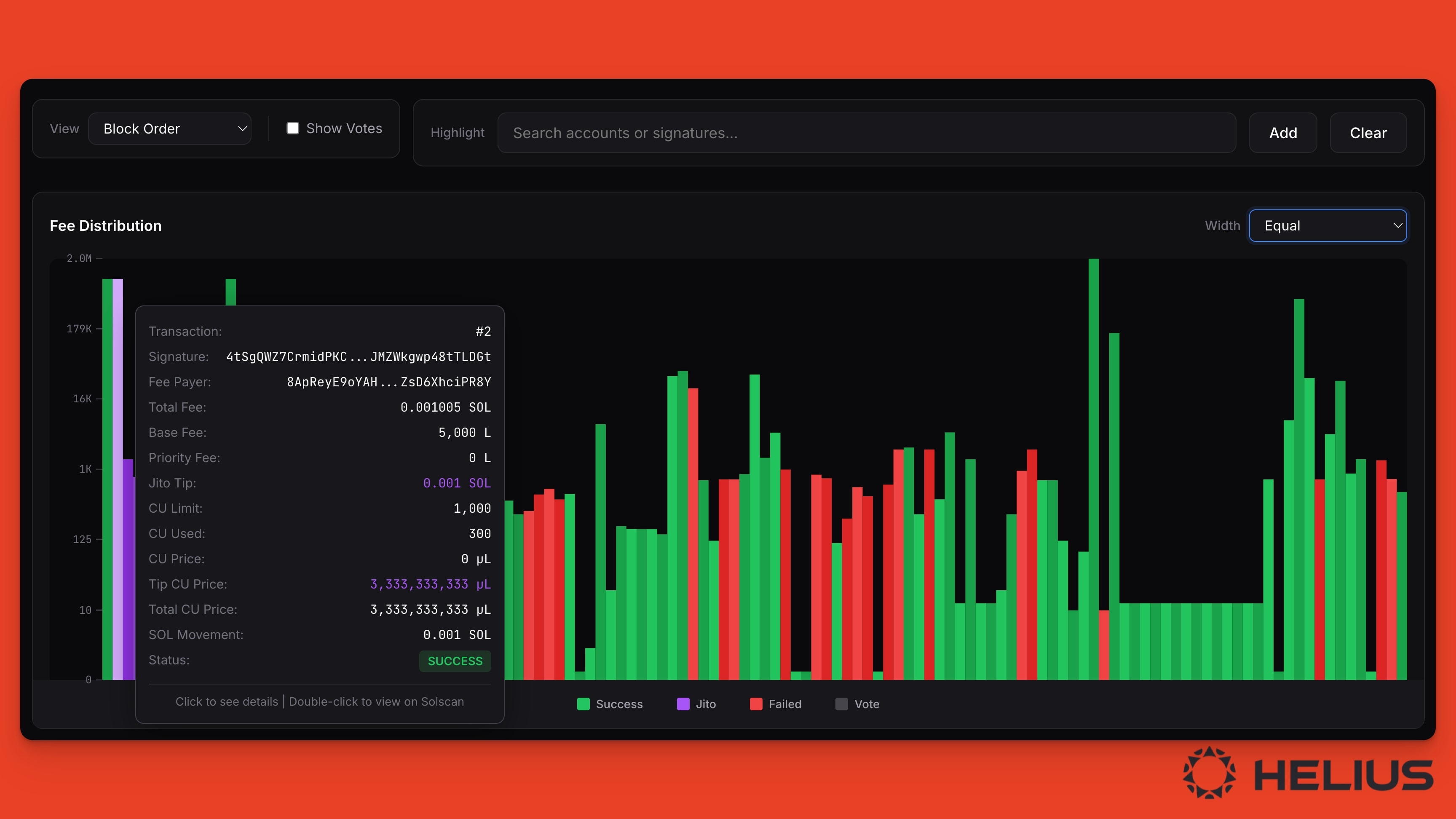
Solana remains one of the most performance-optimized public blockchains available.
Architecture highlights:
- Proof of History (PoH) clock mechanism
- High-performance validator hardware requirements
- Parallelized runtime (Sealevel)
Performance profile (2026 typical conditions):
- Real-world throughput: ~1,500–4,000 TPS
- Theoretical ceiling: ~65,000 TPS
- Block time: ~400 milliseconds
- Finality: ~12 seconds
Strengths:
- Mature ecosystem
- Deep liquidity in DeFi
- Proven sustained throughput
Limitations:
- Hardware centralization concerns
- Occasional performance degradation under extreme load
Solana often leads in sustained execution throughput, making it a strong contender for the fastest execution blockchain today.
🥈 Internet Computer (ICP)


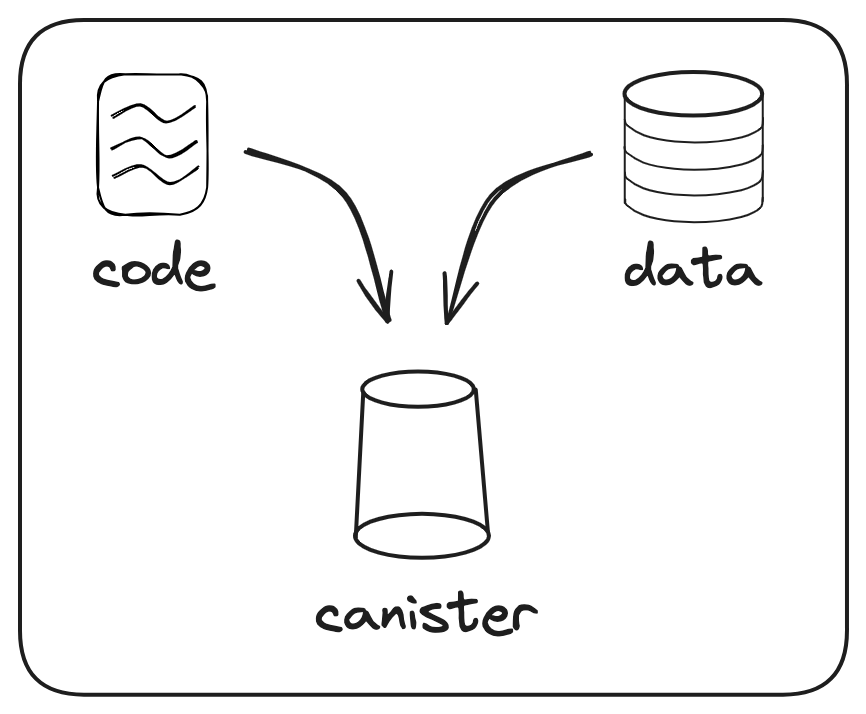
Internet Computer (ICP) approaches performance differently.
Architecture highlights:
- Subnet-based scaling
- Deterministic finality
- Smart contract “canisters” running at web speed
Performance profile:
- Real-world throughput: ~1,000–1,200 TPS per subnet
- Finality: ~1–2 seconds
- High parallel execution capability
Strengths:
- Extremely fast finality
- Web-speed smart contract hosting
- Native scaling model
Limitations:
- Architectural complexity
- Less DeFi liquidity compared to Solana
ICP excels in latency and finality, often outperforming competitors in time-to-final-settlement.
🥉 Sui

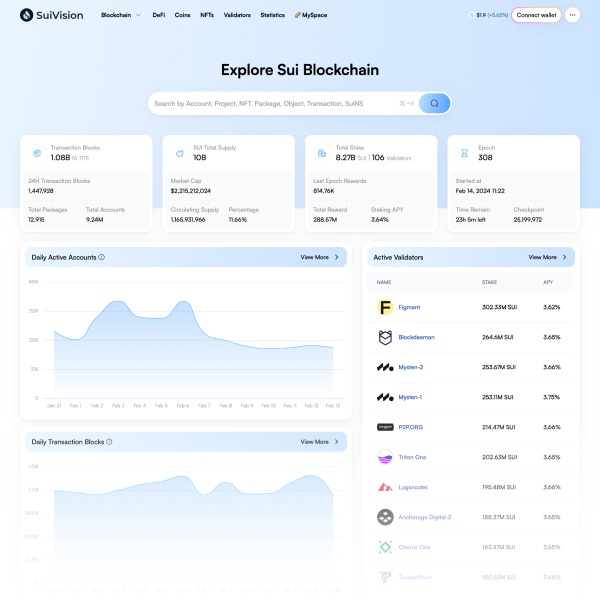
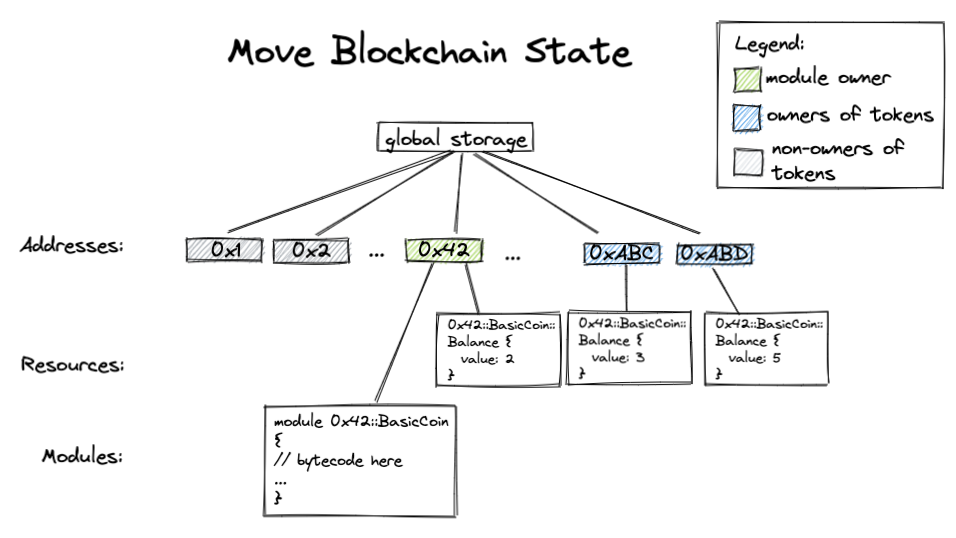
Sui introduces an object-centric execution model.
Architecture highlights:
- Parallel transaction execution
- Move-based smart contracts
- Narwhal & Bullshark consensus
Performance profile:
- Theoretical throughput: >100,000 TPS
- Real-world performance varies significantly by workload
- Sub-second finality under optimal conditions
Strengths:
- High theoretical ceiling
- Efficient parallelism
- Strong suitability for gaming and NFT applications
Limitations:
- Theoretical performance not always realized in practice
- Younger ecosystem relative to Solana
Sui’s architecture may represent the future of scalable execution — but sustained metrics remain under evaluation.
Other High-Performance Networks
TRON
- ~2,000 TPS observed
- 3-second block times
- Widely used for stablecoin transfers
Algorand
- ~6,000 TPS theoretical
- ~4–5 second deterministic finality
- Strong institutional positioning
Both are efficient but do not consistently lead the execution-performance conversation.
The Theoretical vs. Real-World Debate
A central issue in blockchain benchmarking is the difference between:
- Theoretical maximum throughput
- Sustained production throughput
- Adversarial stress conditions
Laboratory TPS measurements often:
- Assume ideal validator coordination
- Ignore network latency variance
- Exclude adversarial traffic
- Operate under minimal smart contract complexity
In real-world environments:
- Complex smart contracts reduce TPS.
- DeFi bursts create congestion.
- Network propagation delays increase latency.
Therefore, the fastest blockchain is not the one with the highest advertised TPS — but the one that sustains high throughput under production load.
So, Who Leads in 2026?
The answer depends on the metric.
| Metric | Current Leader |
|---|---|
| Sustained Throughput | Solana |
| Fastest Finality | Internet Computer |
| Highest Theoretical Ceiling | Sui |
| Stablecoin Transfer Volume | TRON |
If we define “fastest execution blockchain” as:
The network with the highest sustained real-world throughput combined with acceptable finality and ecosystem maturity
Then Solana currently leads.
However, if deterministic 1–2 second finality is weighted more heavily, Internet Computer becomes a strong contender.
The Bigger Picture: Speed vs. Decentralization
Execution speed often correlates with:
- Higher validator hardware requirements
- Reduced validator count
- More centralized infrastructure topology
This introduces the core blockchain trilemma:
- Scalability
- Security
- Decentralization
No network maximizes all three simultaneously.
High-performance chains frequently trade some degree of decentralization for speed. Whether that tradeoff is acceptable depends on use case.
For:
- High-frequency DeFi — speed dominates.
- Sovereign financial rails — decentralization matters more.
- Enterprise adoption — predictability and finality are critical.
Conclusion: The Speed Race Is Not Over
The competition for the fastest execution blockchain is ongoing. Architectural experimentation is accelerating:
- Parallelized execution engines
- Modular rollup ecosystems
- Data availability layers
- Hardware-optimized validator clusters
Today, Solana holds the strongest position in sustained execution speed, while Internet Computer leads in low-latency finality, and Sui pushes theoretical throughput boundaries.
But the true winner will be the network that sustains:
- High throughput
- Low latency
- Deterministic finality
- Robust decentralization
- Developer ecosystem depth
The blockchain speed wars are far from settled — and in 2026, performance is the battleground shaping the next generation of Web3 infrastructure.