

Introduction: The Trade That Always Goes Against You

If you’ve traded crypto for any amount of time, you’ve probably experienced this:
You enter a trade.
You place your stop loss.
Price moves exactly to your stop… takes you out…
Then reverses in your original direction.
It feels personal.
It feels like the market is targeting you.
But it’s not.
What you’re experiencing is something called a liquidity sweep—one of the most important (and misunderstood) concepts in crypto trading.
And once you understand how it works, your entire view of the market changes.
What Is a Liquidity Sweep?


A liquidity sweep happens when price moves into an area where a large number of orders are sitting—usually stop losses—and triggers them before reversing.
To understand this, you need to understand one key idea:
👉 Liquidity = orders in the market
These orders typically sit:
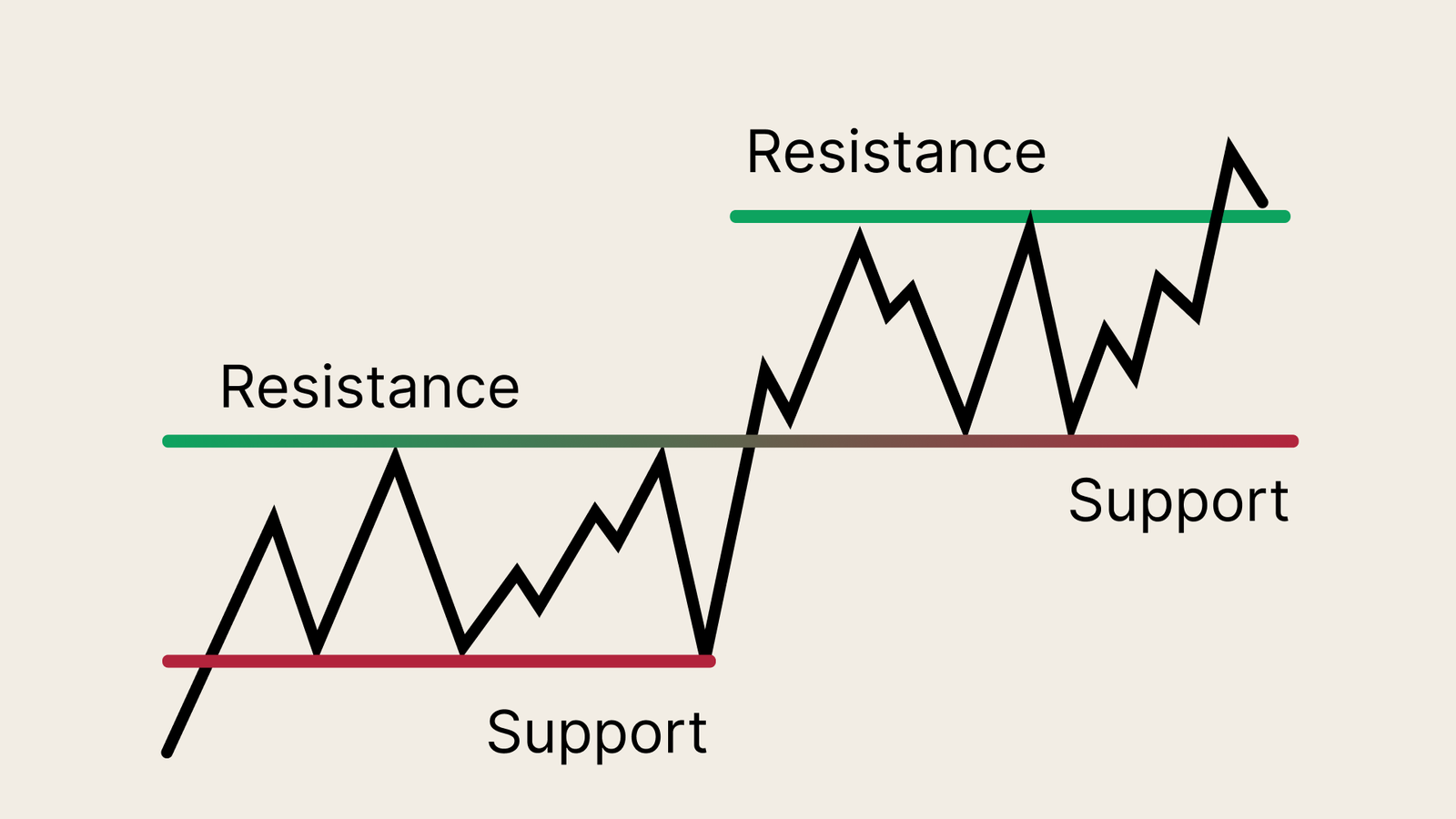
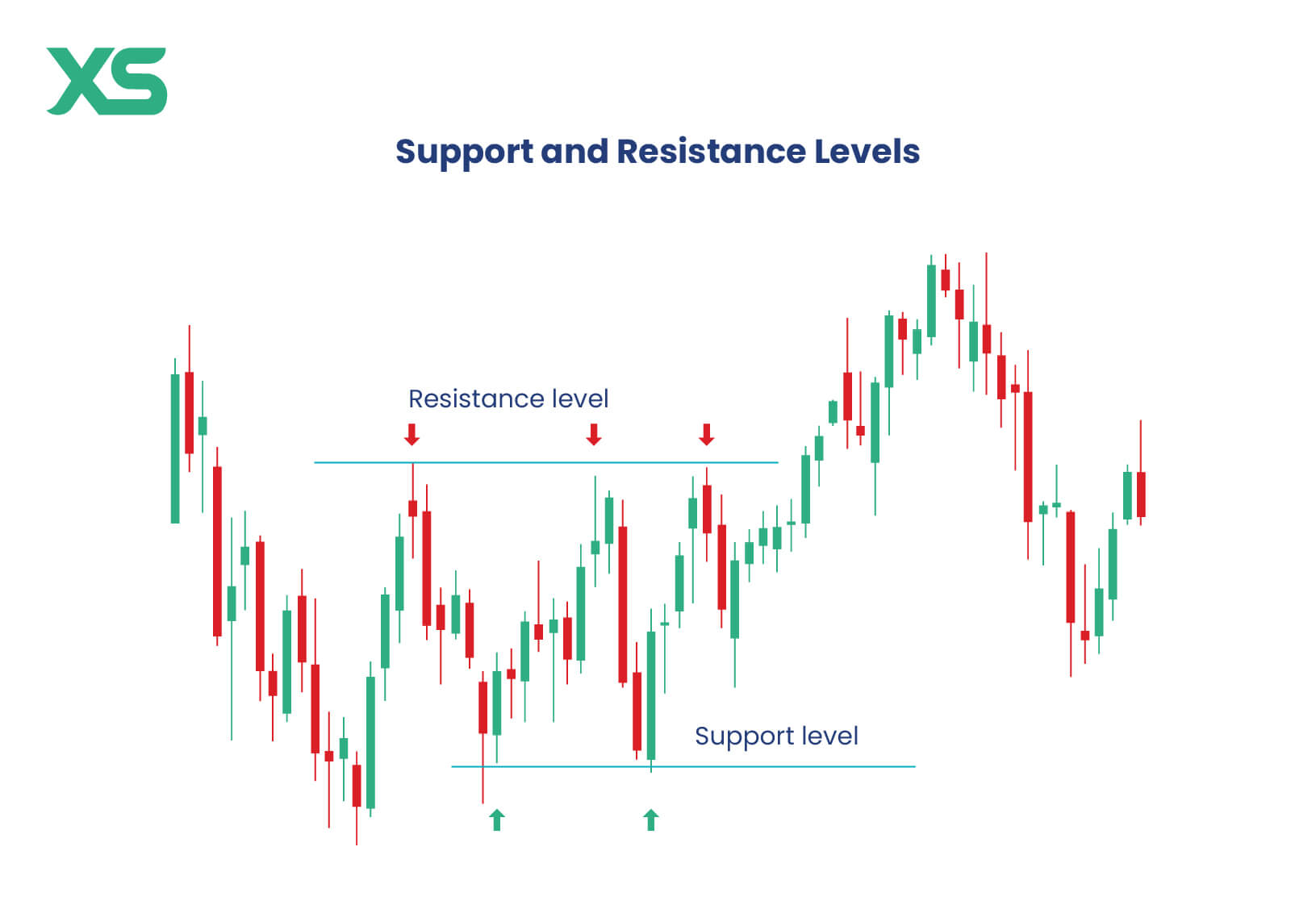
- Above resistance levels (buy-side liquidity)
- Below support levels (sell-side liquidity)
Most retail traders place their stop losses in predictable areas:
- Just above highs
- Just below lows
This creates clusters of liquidity.
And the market is drawn to those clusters.
Why Liquidity Exists in the First Place


Liquidity doesn’t appear randomly.
It’s created by trader behavior.
Most traders:
- Learn support and resistance
- Place stops just outside those levels
- Follow similar strategies
This leads to predictable positioning.
For example:
- Traders short at resistance → stops above the high
- Traders long at support → stops below the low
When enough traders do this, you get:
👉 liquidity pools
These pools become targets for larger market participants.
Why the Market “Hunts” Liquidity


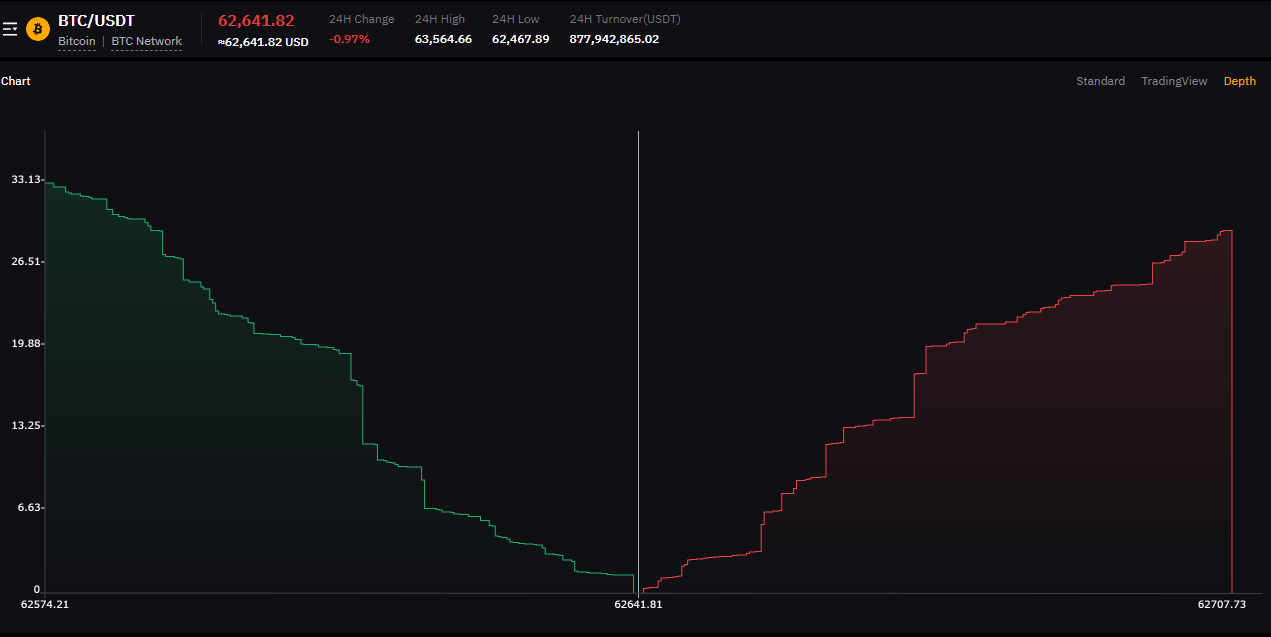
Here’s the key concept most people miss:
The market doesn’t move randomly.
It moves where liquidity is.
Large players—often referred to as smart money—cannot enter or exit positions without sufficient liquidity.
If they want to:
- Buy large amounts → they need sellers
- Sell large amounts → they need buyers
Where are those orders?
👉 In liquidity pools.
So price moves into those areas to:
- Trigger stop losses
- Fill large orders
- Enable positioning
This is why liquidity sweeps happen.
Not to “target you”—but because the market needs liquidity to function.
Buy-Side vs Sell-Side Liquidity

There are two main types of liquidity:
Buy-Side Liquidity
- Located above previous highs
- Contains:
- Stop losses from short traders
- Breakout buy orders
When price moves above a high:
👉 It often triggers a liquidity sweep
Sell-Side Liquidity
- Located below previous lows
- Contains:
- Stop losses from long traders
- Panic selling
When price drops below a low:
👉 It sweeps sell-side liquidity
Understanding these zones is essential to reading market structure.
What a Liquidity Sweep Looks Like on a Chart
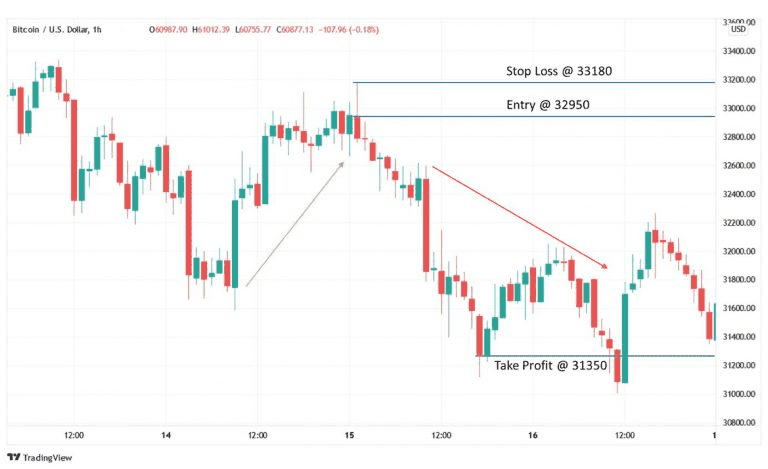
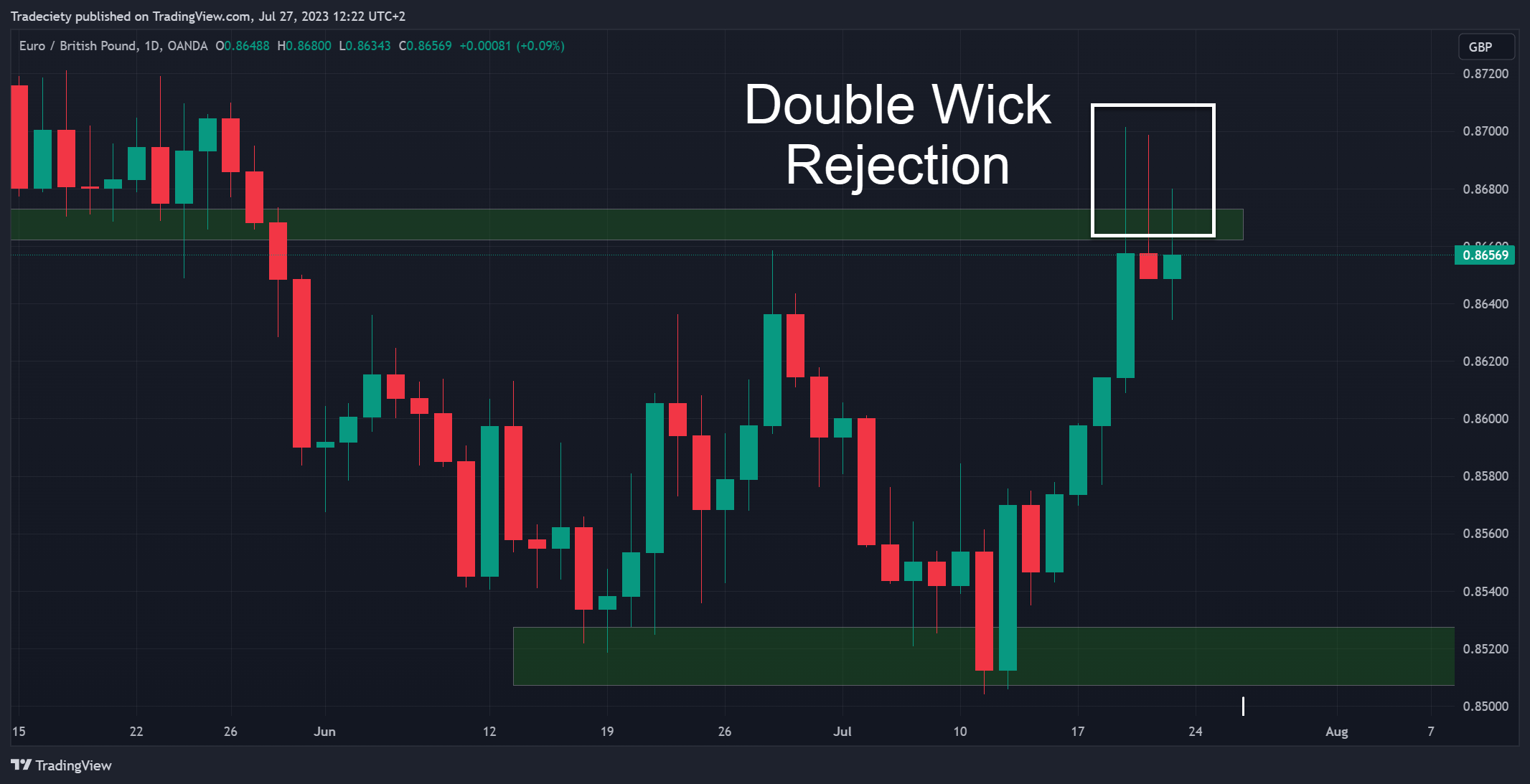
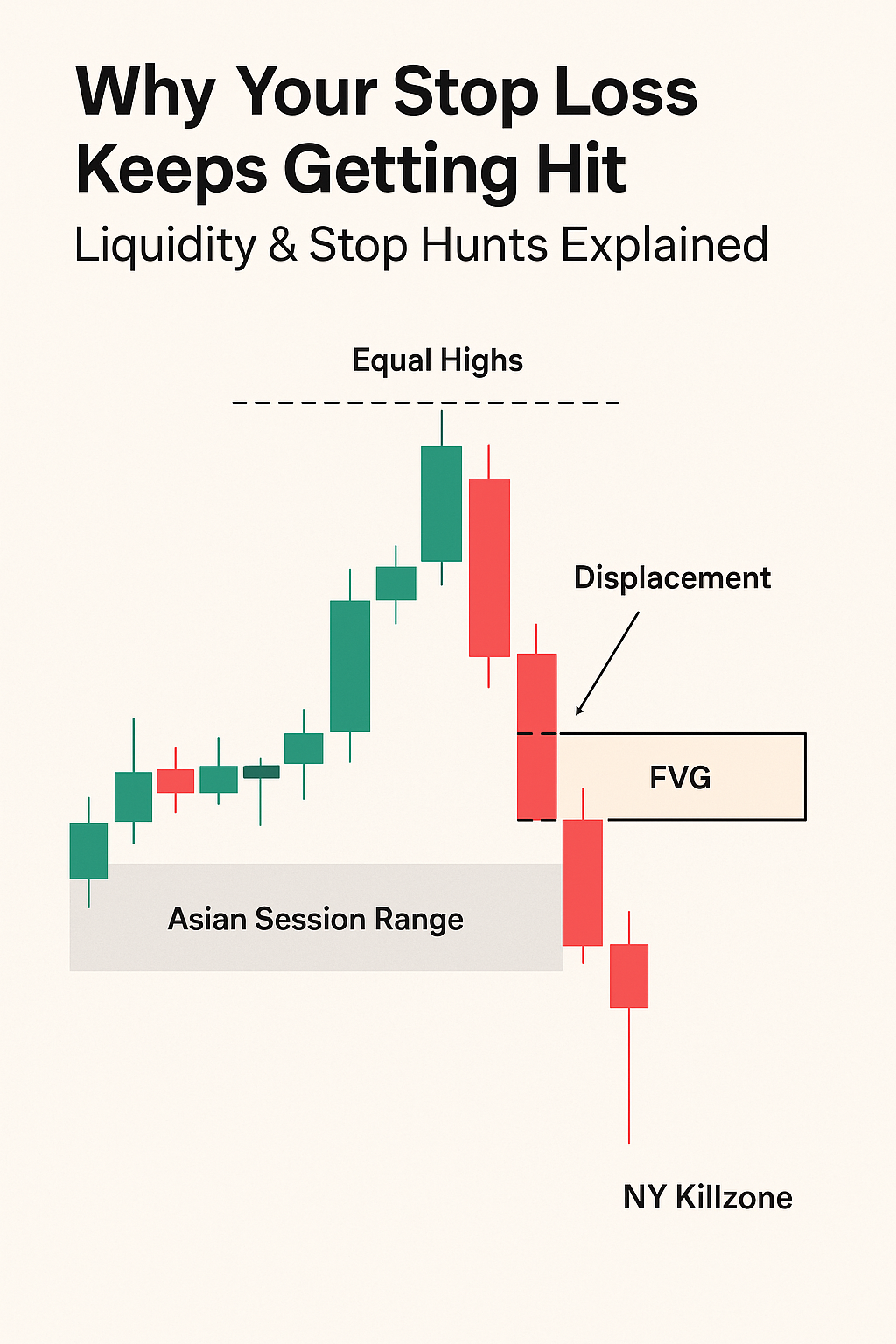
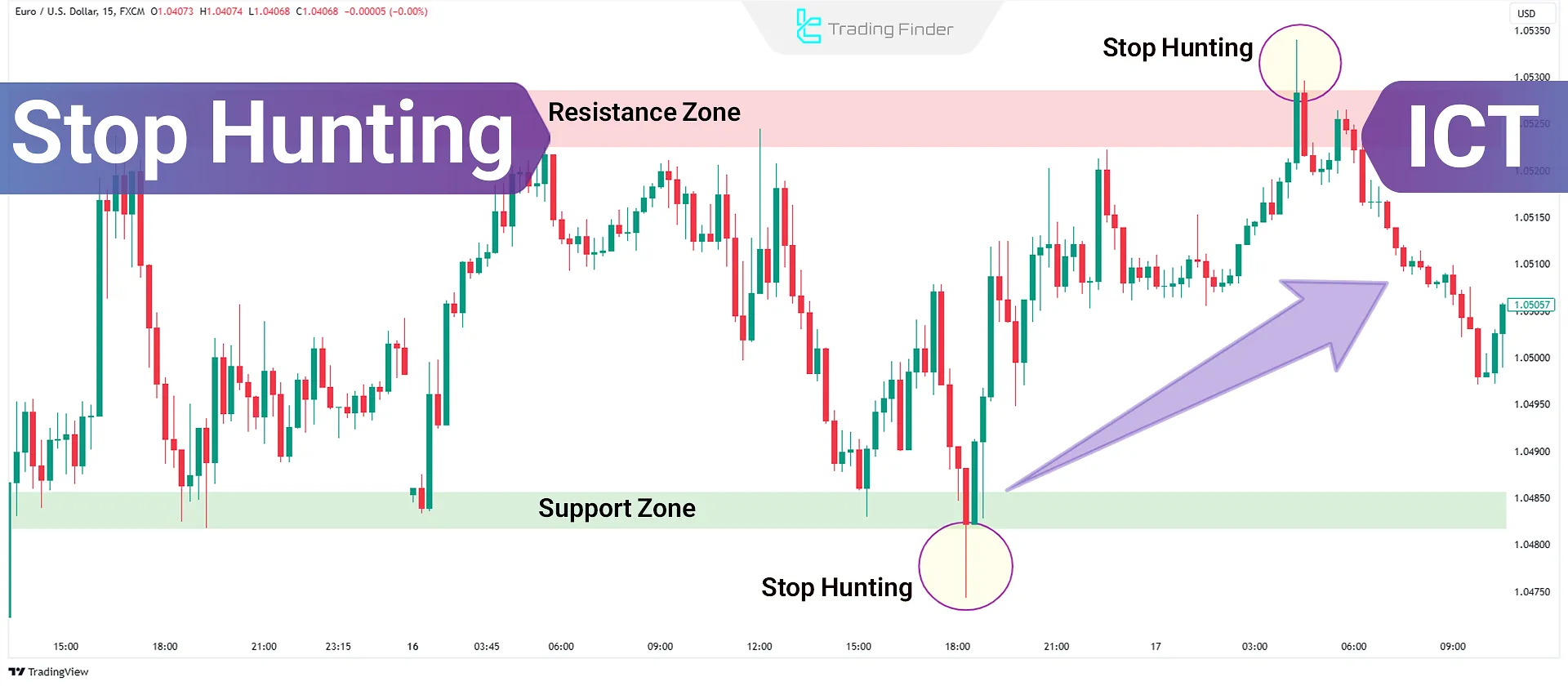
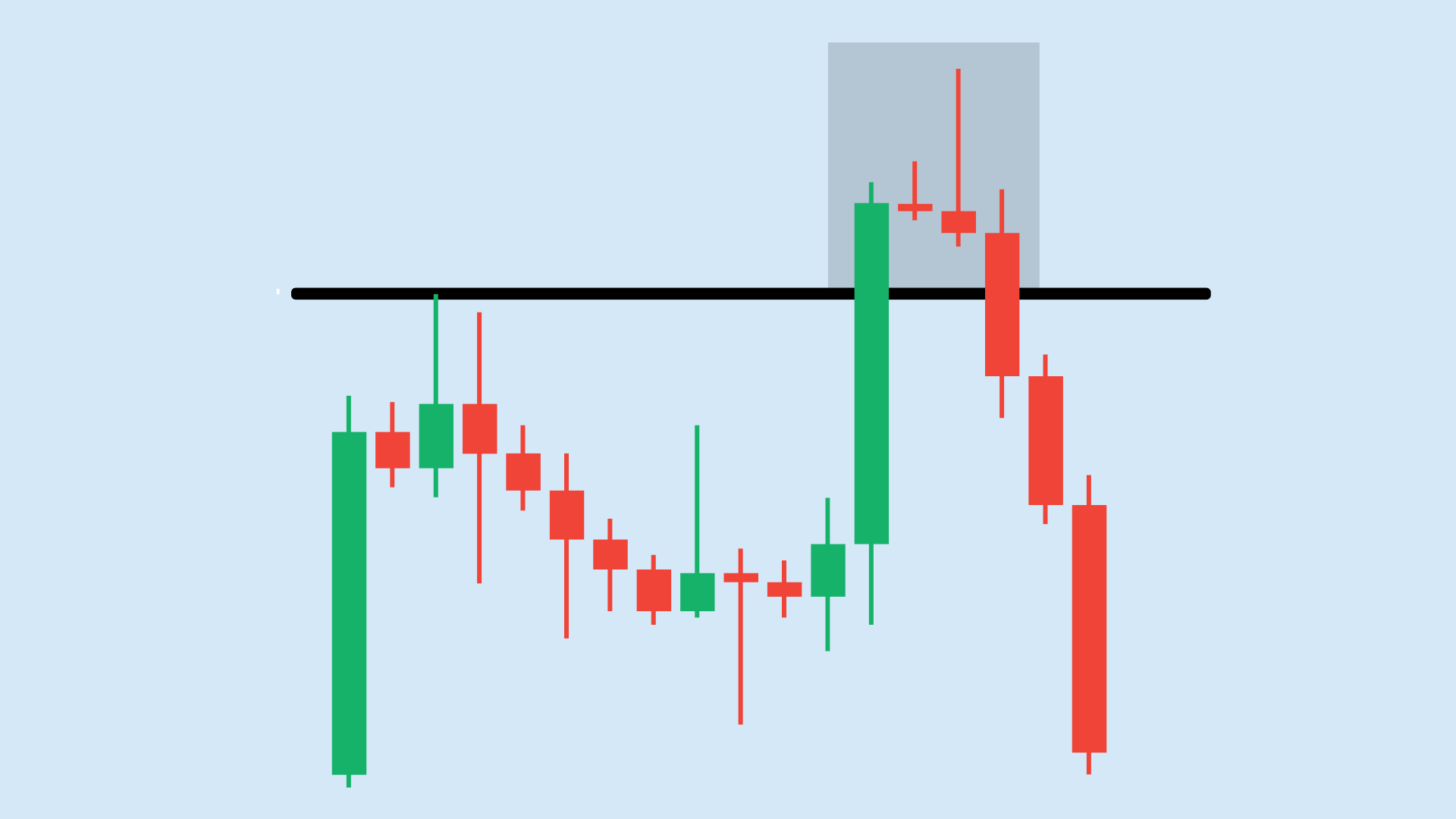
A typical liquidity sweep has a recognizable pattern:
- Price approaches a key level (high or low)
- Breaks through it quickly
- Forms a long wick
- Reverses direction
This is often called:
- A fake breakout
- A stop hunt
- A liquidity grab
These moves are designed to:
- Trigger orders
- Capture liquidity
- Reverse once liquidity is filled
Why You Keep Getting Stopped Out
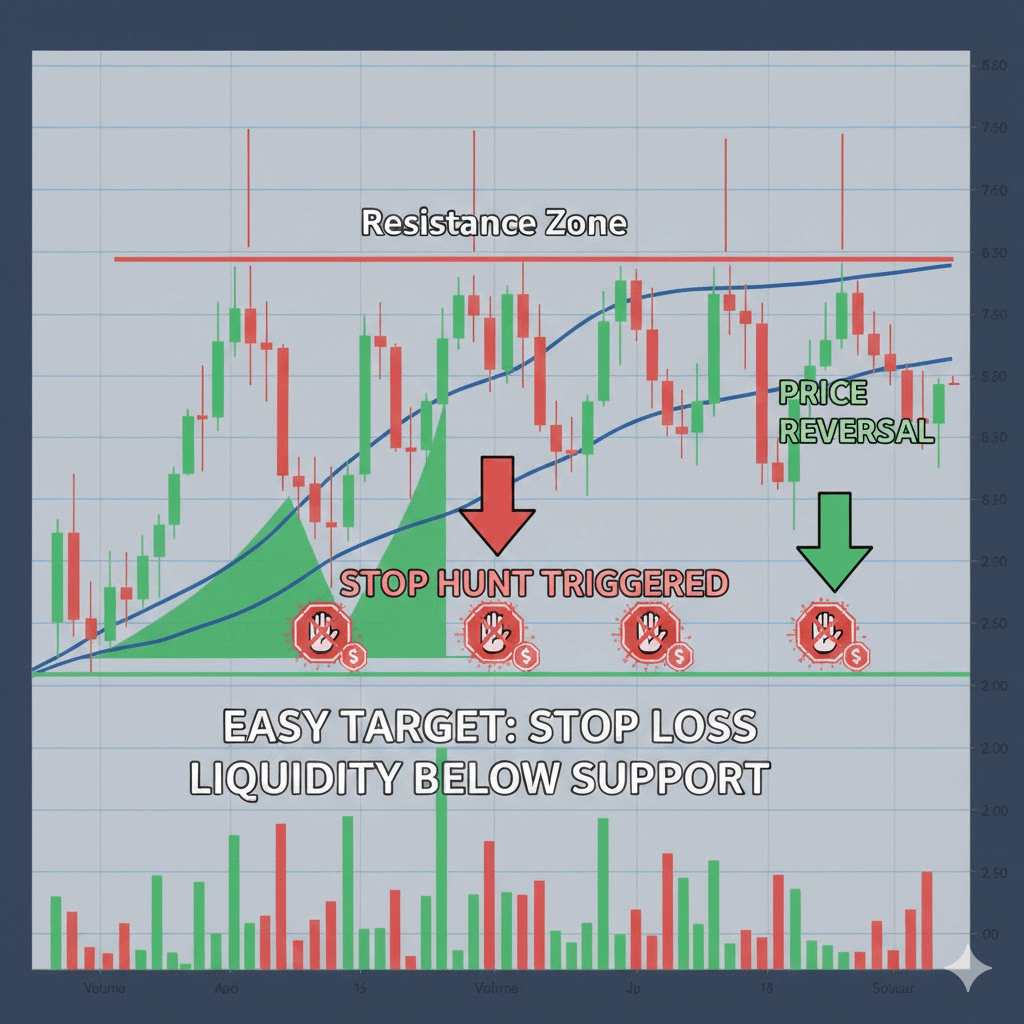


If you’re consistently getting stopped out, it’s not bad luck.
It’s structure.
Most traders:
- Enter late
- Place tight stops
- Use obvious levels
This makes them predictable.
And predictable traders provide liquidity.
The market doesn’t “target” individuals.
But it does move toward clusters of predictable behavior.
That’s the real reason.
How to Avoid Being Liquidity


Once you understand liquidity sweeps, your strategy should change.
Instead of:
- Entering at obvious levels
- Placing stops where everyone else does
You shift to:
1. Wait for the Sweep
Let price:
- Take out highs
- Take out lows
Then look for confirmation.
2. Enter After the Move
The best entries often come:
👉 After the liquidity has been taken
Not before.
3. Avoid Obvious Stops
If everyone sees the same level…
👉 It’s probably not safe.
4. Focus on Confirmation
Look for:
- Rejections
- Structure shifts
- Momentum changes
This helps you avoid getting trapped.
Liquidity Sweeps and Market Structure
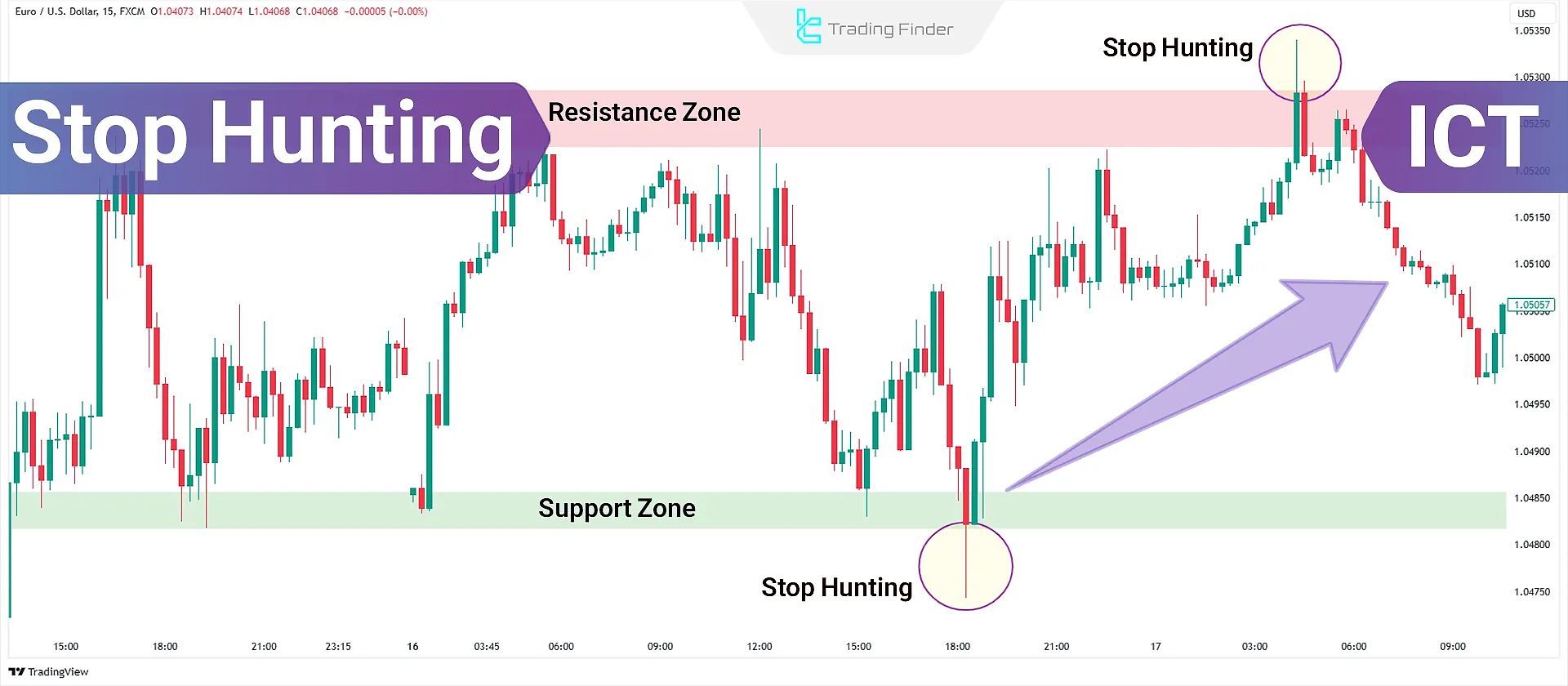

Liquidity sweeps are closely tied to market structure.
After a sweep, price often:
- Reverses direction
- Breaks structure
- Starts a new move
For example:
- Sweep below a low → bullish reversal
- Sweep above a high → bearish reversal
This is why liquidity sweeps are not just traps…
They’re also opportunities.
The Bigger Truth: Markets Move Toward Liquidity


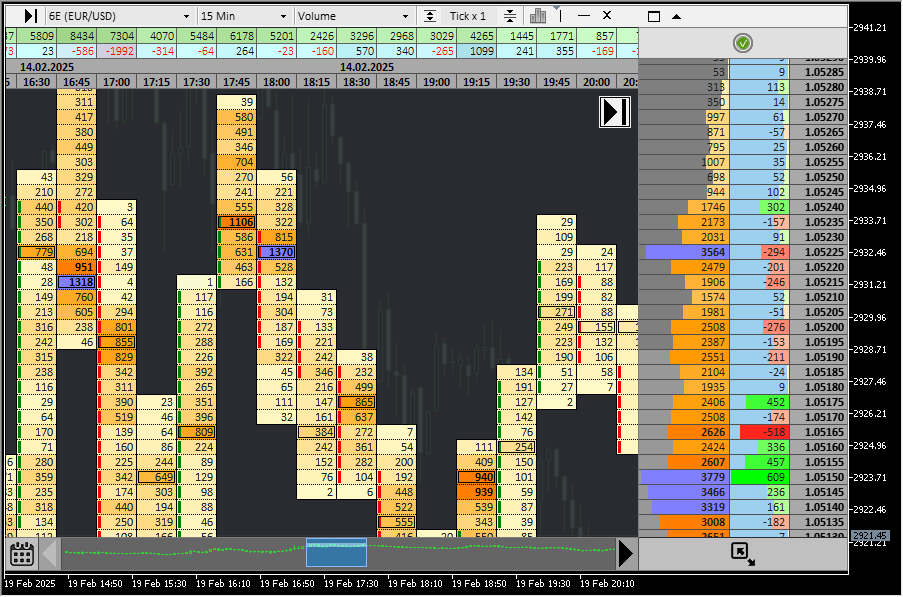
Here’s the most important takeaway:
👉 Markets move toward liquidity
Not randomly.
Not emotionally.
Not based on your trade.
This changes everything.
Because instead of reacting to price…
You start anticipating where price is likely to go next.
Common Mistakes Traders Make
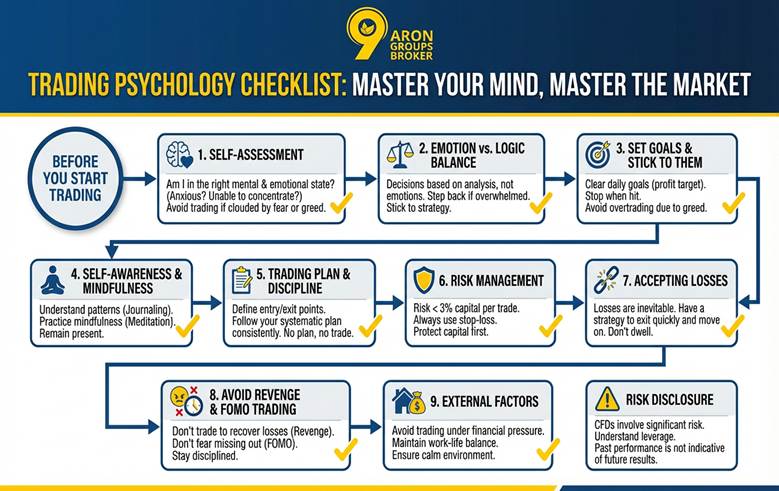


Here are the most common mistakes:
- Trading breakouts blindly
- Placing stops too close
- Ignoring liquidity zones
- Entering before confirmation
- Following the crowd
These mistakes all stem from the same issue:
👉 Focusing on price instead of structure
Conclusion: Stop Being the Target
The concept of a liquidity sweep is not complicated.
But it is powerful.
Once you understand it, you realize:
- The market isn’t random
- Price movements have purpose
- Your losses often follow patterns
And most importantly:
👉 You can stop being on the wrong side of the move
Instead of:
- Chasing breakouts
- Reacting emotionally
You begin to:
- Wait for liquidity to be taken
- Enter with confirmation
- Think like smart money
Because in the end…
The market rewards those who understand how it moves—not those who react to it.