

If you own crypto—or plan to—you need a wallet. But not all crypto wallets are created equal. One of the first and most important decisions you’ll face is choosing between a custodial wallet and a non-custodial wallet.
This choice directly affects your security, control, convenience, privacy, and risk exposure. Many users don’t fully understand the difference until something goes wrong—an exchange freezes withdrawals, a hack occurs, or access is lost.
This guide explains custodial vs. non-custodial wallets in plain English, without hype or fear-mongering. By the end, you’ll know exactly which option fits your needs—and why.
What Is a Crypto Wallet, Really?

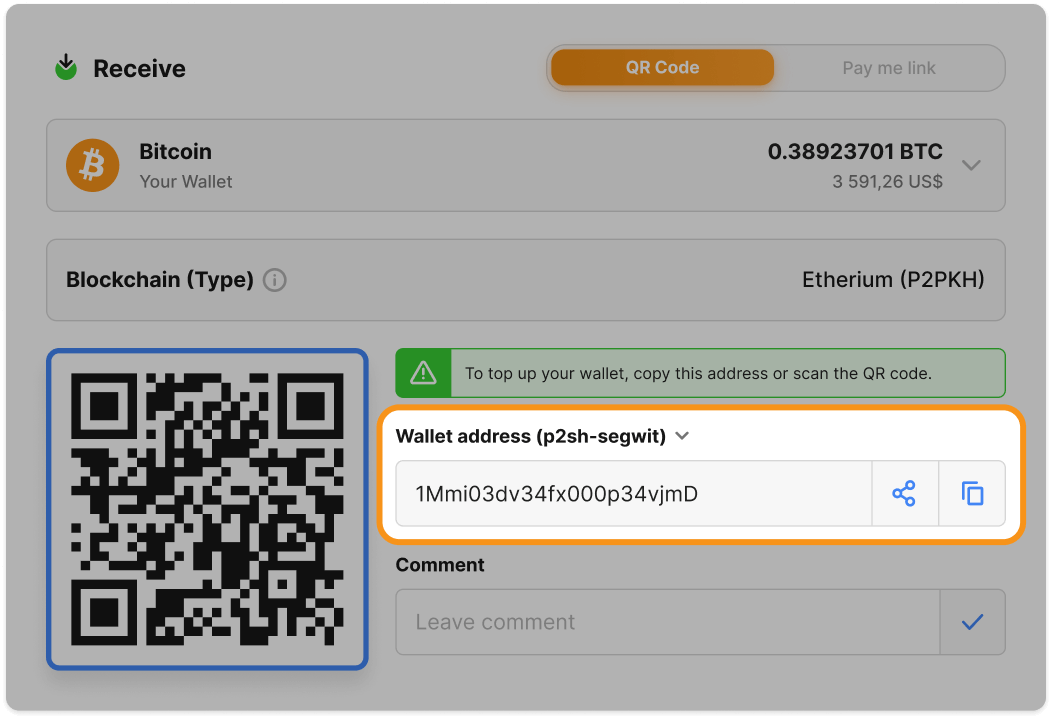

Despite the name, a crypto wallet doesn’t actually store your coins.
Your cryptocurrency always lives on the blockchain. A wallet stores the private keys that prove you own and control those assets. Whoever controls the private keys controls the funds.
This single fact explains the entire custodial vs. non-custodial debate.
What Is a Custodial Wallet?
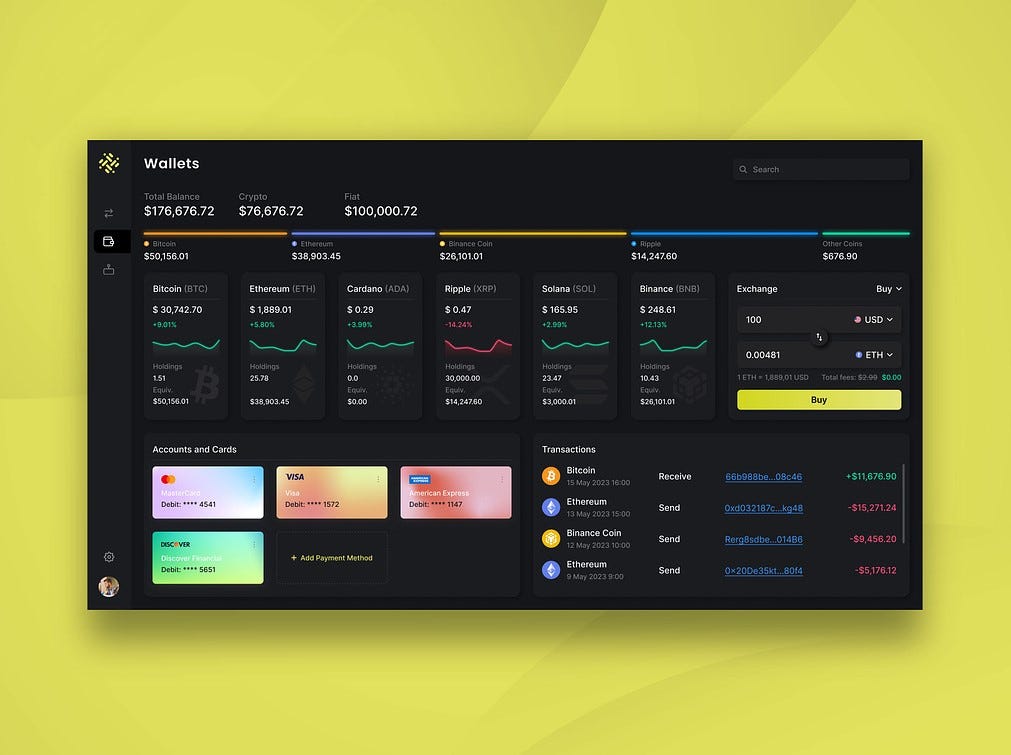

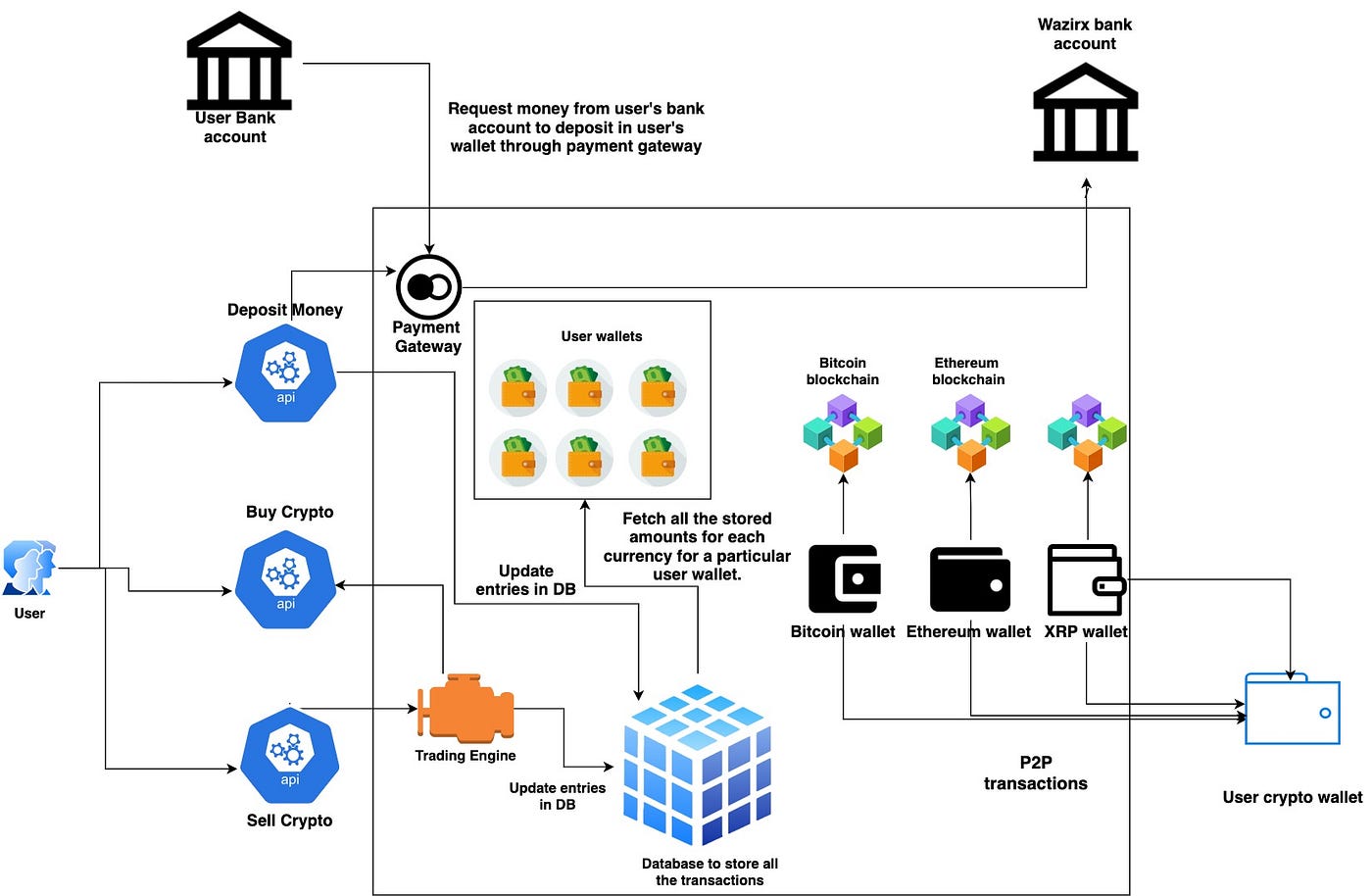
A custodial wallet is a wallet where a third party holds your private keys on your behalf.
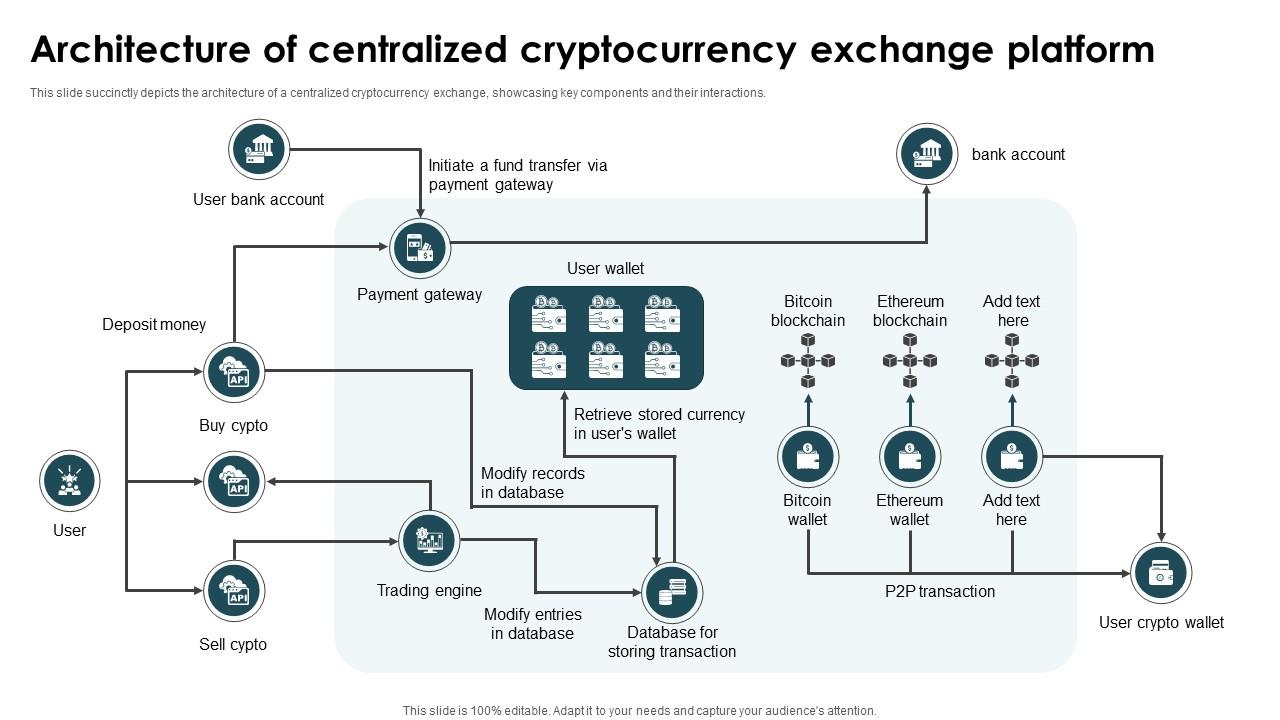
Most centralized exchanges provide custodial wallets automatically when you create an account.
Common Examples of Custodial Wallets
- Exchange wallets on platforms like Coinbase, Binance, and Kraken
- Some crypto apps and payment platforms
- Broker-style investment services offering crypto exposure
You log in with a username and password, and the platform manages everything else.
How Custodial Wallets Work
- The platform creates and controls the private keys
- Your balance is recorded internally
- Transactions are authorized through the platform
- You rely on the custodian’s security and policies
In short: they control the keys, you control the account access—at best.
Pros and Cons of Custodial Wallets

✅ Advantages of Custodial Wallets
Ease of use
Custodial wallets are beginner-friendly. No seed phrases, no manual backups, no technical setup.
Account recovery
Forgot your password? You can usually recover access via email or identity verification.
Integrated features
Trading, staking, fiat on-ramps, customer support, and tax reporting are often built in.
Lower personal responsibility
You’re not solely responsible for securing private keys.
❌ Disadvantages of Custodial Wallets
No true ownership
If you don’t control the private keys, the crypto isn’t truly yours.
Counterparty risk
Exchanges can freeze accounts, halt withdrawals, go bankrupt, or be hacked.
Regulatory exposure
Custodial platforms comply with regulations, KYC, sanctions, and government orders.
Single point of failure
If the platform fails, users may lose access—sometimes permanently.
The crypto mantra exists for a reason: “Not your keys, not your coins.”
What Is a Non-Custodial Wallet?

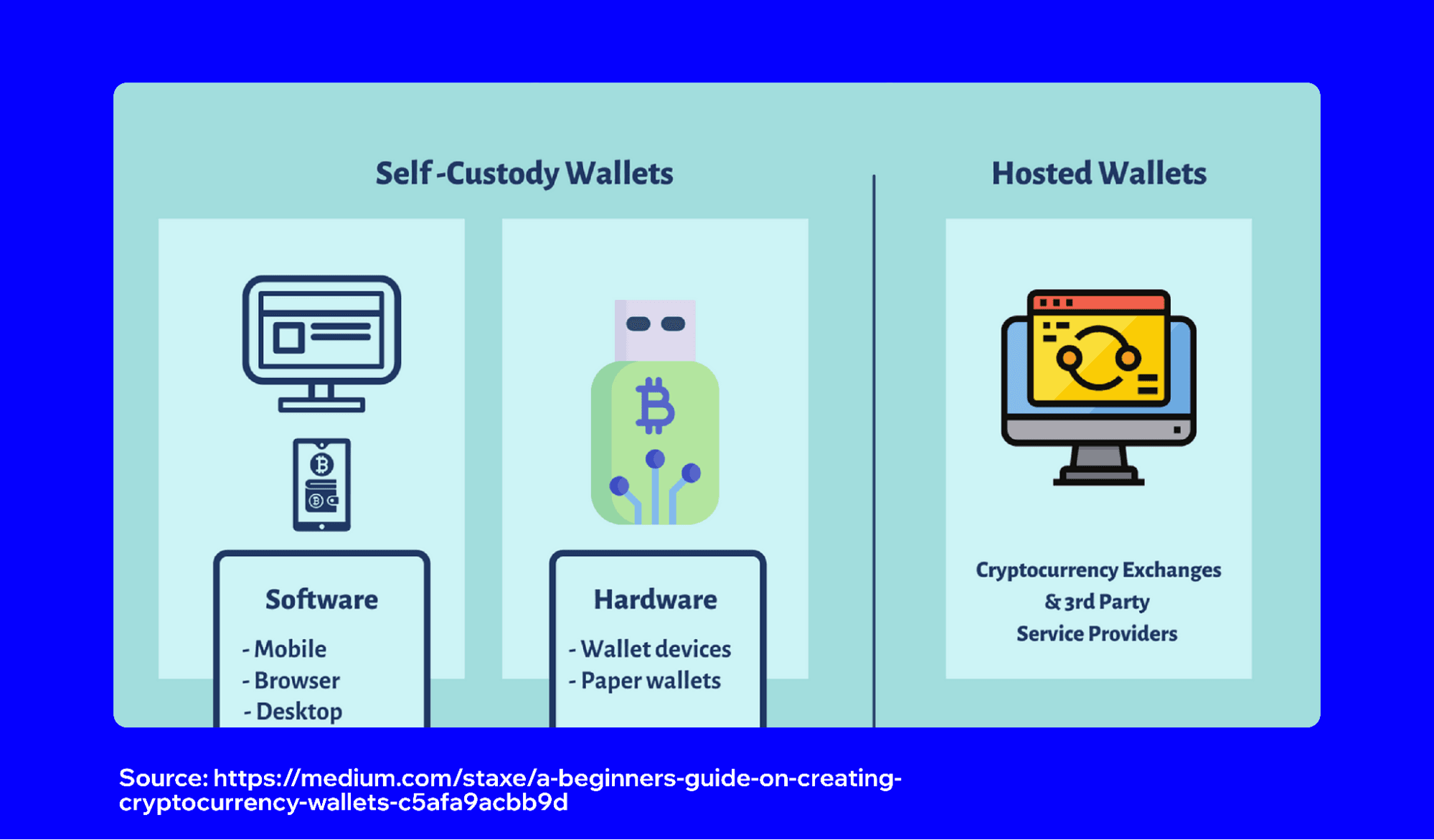

A non-custodial wallet (also called a self-custody wallet) is a wallet where you control the private keys—and therefore the funds.
No third party can move, freeze, or access your crypto without your permission.
Common Examples of Non-Custodial Wallets
- Software wallets like MetaMask and Trust Wallet
- Hardware wallets like Ledger and Trezor
- Open-source desktop and mobile wallets
When you set one up, you receive a seed phrase (usually 12 or 24 words). That phrase is the key to your crypto.
Pros and Cons of Non-Custodial Wallets


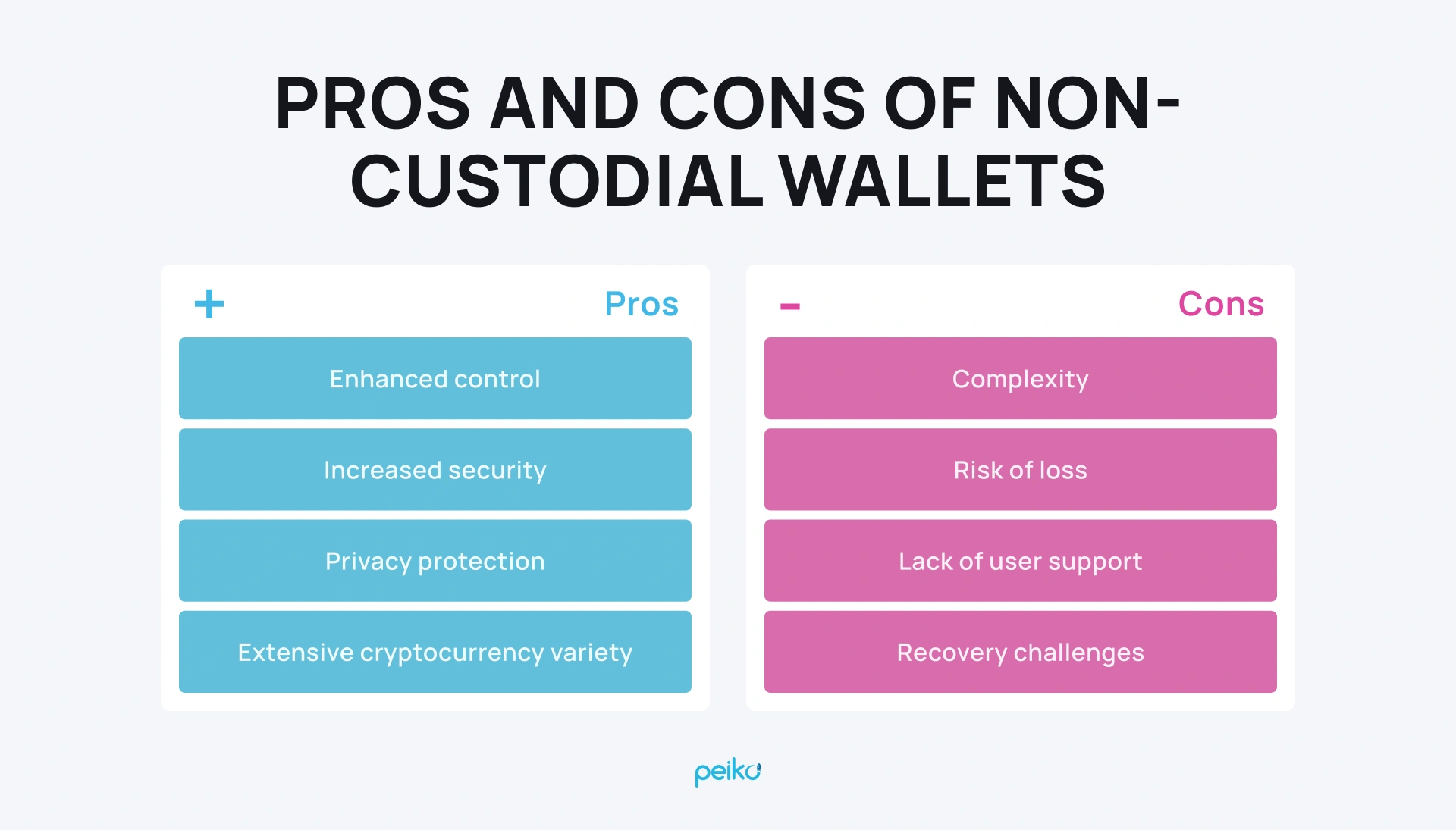
✅ Advantages of Non-Custodial Wallets
True ownership and control
You are the sole owner. No intermediary can interfere.
Censorship resistance
No account freezes, withdrawal limits, or arbitrary restrictions.
Better privacy
No mandatory KYC tied directly to wallet usage.
DeFi and Web3 access
Required for decentralized applications, NFTs, and smart contracts.
❌ Disadvantages of Non-Custodial Wallets
Full responsibility
Lose your seed phrase and your funds are gone—permanently.
Higher learning curve
Users must understand backups, phishing risks, and transaction mechanics.
No customer support safety net
There’s no “reset password” button in self-custody.
User error risk
Sending funds to the wrong address or chain is often irreversible.
Custodial vs. Non-Custodial Wallets: Side-by-Side Comparison
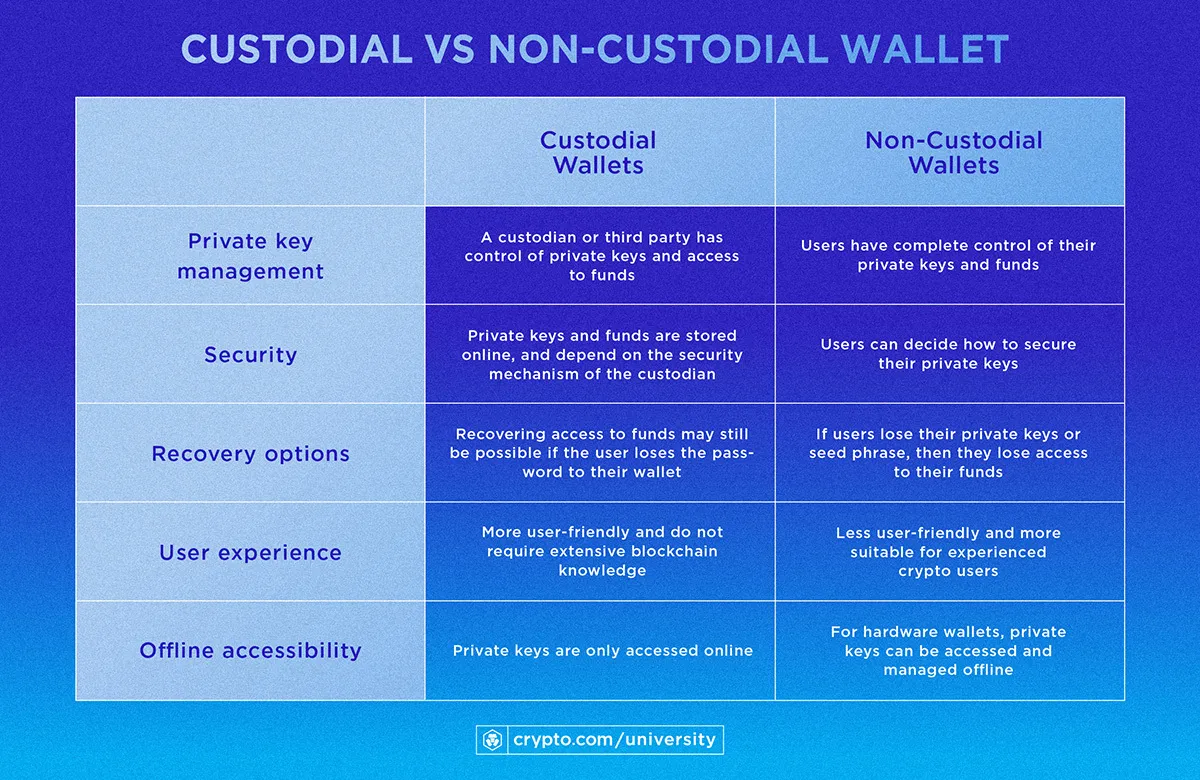

| Feature | Custodial Wallet | Non-Custodial Wallet |
|---|---|---|
| Private key control | Third party | You |
| Ease of use | Very high | Moderate |
| Security model | Platform-dependent | User-dependent |
| Recovery options | Yes | No |
| Censorship resistance | Low | High |
| DeFi/Web3 access | Limited | Full |
| Ownership | Indirect | Direct |
Which Type of Wallet Should You Use?


The correct choice depends on how you use crypto, not ideology.
Custodial Wallets Are Better If You:
- Are brand new to crypto
- Trade frequently
- Hold small amounts
- Value convenience over control
- Want easy fiat integration
Non-Custodial Wallets Are Better If You:
- Hold long-term investments
- Care about sovereignty and censorship resistance
- Use DeFi, NFTs, or Web3 apps
- Want maximum control and privacy
- Understand (or are willing to learn) security basics
The Hybrid Approach (Most Common)
Many experienced users do both:
- Custodial wallets for trading and liquidity
- Non-custodial wallets for long-term storage
This balances usability and security.
Security Best Practices (Regardless of Wallet Type)
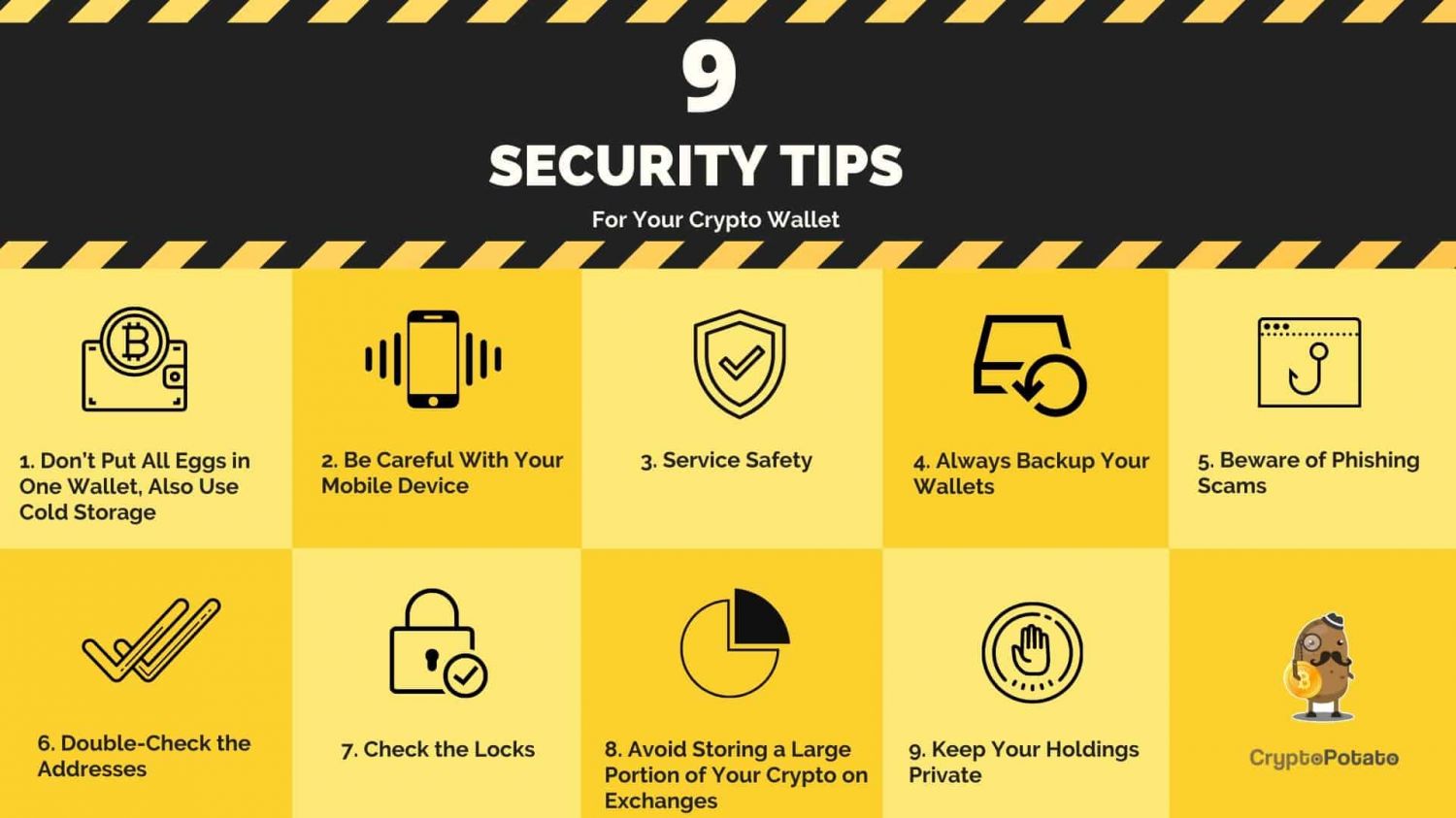


- Use strong, unique passwords and a password manager
- Enable two-factor authentication on custodial accounts
- Never share your seed phrase—ever
- Store backups offline (preferably in multiple locations)
- Beware of phishing links, fake apps, and social engineering
- Test small transactions before sending large amounts
Final Thoughts: Control vs. Convenience
Custodial and non-custodial wallets aren’t enemies—they’re tools for different jobs.
Custodial wallets prioritize ease and accessibility.
Non-custodial wallets prioritize ownership and resilience.
Understanding the difference is not optional in crypto—it’s foundational.
If crypto represents a shift toward financial sovereignty, non-custodial wallets are where that promise actually lives. But sovereignty comes with responsibility, and not everyone needs or wants that from day one.
Choose deliberately. Your future self will thank you.