

Artificial intelligence is advancing faster than almost any technology in history. At the same time, blockchain networks are redefining how digital systems coordinate without centralized control. When these two innovations intersect, a new concept emerges: the decentralized AI economy.
Traditional AI development today is dominated by a handful of powerful corporations that control computing resources, training data, and AI models. While these systems produce impressive results, they also introduce concerns around censorship, monopolization of data, lack of transparency, and concentration of power.
This is where AI crypto projects enter the conversation. By combining blockchain networks with AI infrastructure, developers are attempting to create open marketplaces for computing power, data sharing, machine learning models, and autonomous AI agents.
The vision is ambitious: a global network where anyone can contribute resources, access AI tools, and be compensated through crypto tokens without relying on centralized tech giants.
In this article, we explore why AI and blockchain technology are increasingly connected—and highlight five projects attempting to build the foundations of a decentralized AI economy.
Why AI and Blockchain Are a Natural Fit


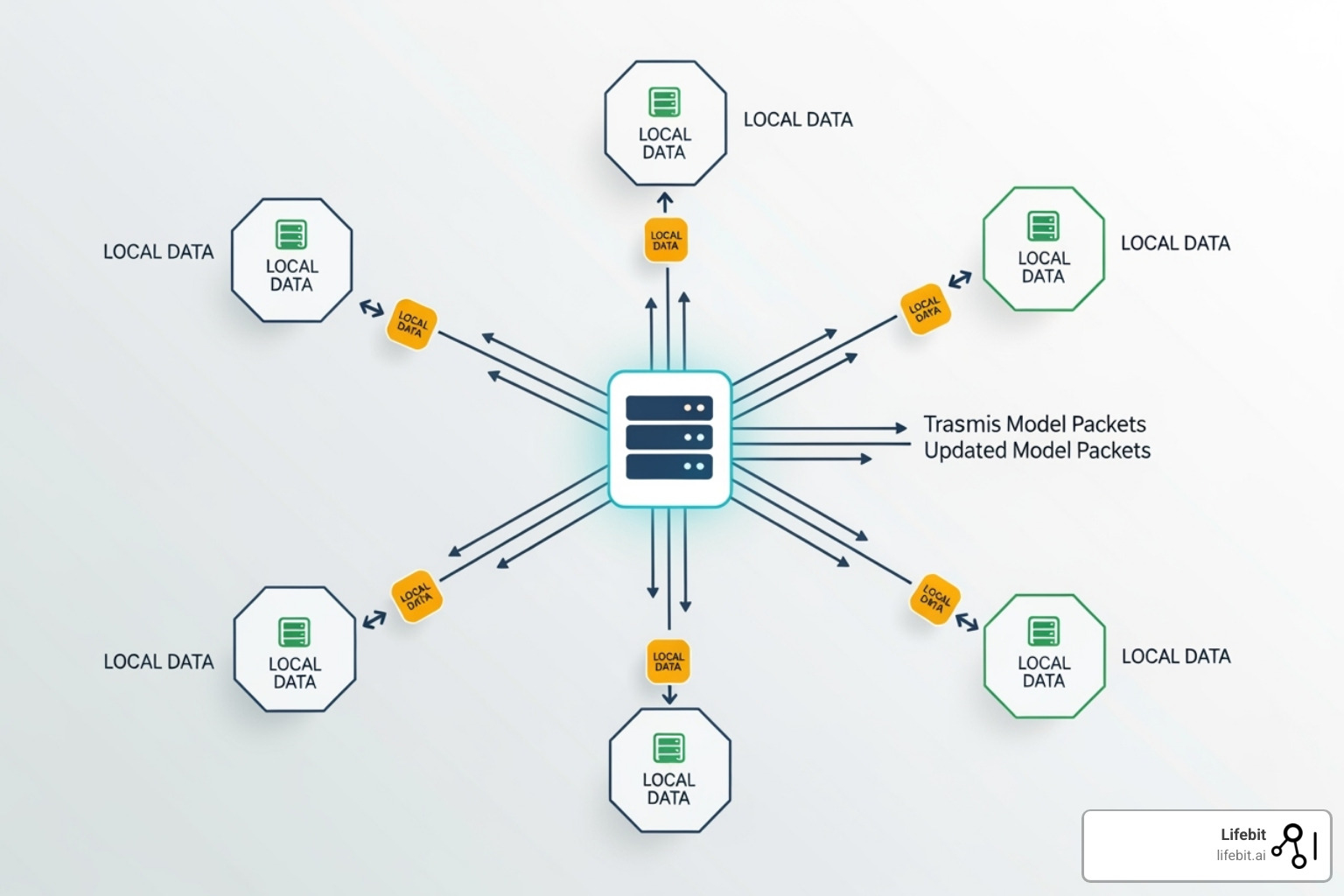
Artificial intelligence depends on three major components: data, computing power, and algorithms. Today, these resources are heavily concentrated within large tech companies that possess massive infrastructure and proprietary datasets.
Blockchain introduces a radically different model.
A decentralized network allows participants around the world to contribute computing power, storage, or data to an open ecosystem. Smart contracts coordinate payments and verification automatically, ensuring contributors are rewarded fairly.
Several core benefits explain why many developers see blockchain as the missing layer for the next generation of AI systems.
First is decentralized computing. Training and running large AI models requires enormous computational resources. Blockchain-based networks can create marketplaces where users rent GPU power from global providers rather than relying on centralized cloud services.
Second is data ownership. One of the most controversial issues in AI development involves who owns the data used to train models. With blockchain, contributors can maintain ownership of their data and be compensated when it is used to improve AI systems.
Third is transparency and verification. Blockchain ledgers allow AI systems to track how models were trained, which datasets were used, and how results are generated. This can help address growing concerns around AI bias and manipulation.
Finally, decentralized networks enable permissionless innovation. Developers can build applications on open infrastructure without approval from centralized companies.
These advantages are driving the rise of a new category of projects often described as decentralized AI platforms.
Let’s examine some of the most notable projects working to make this vision a reality.
SingularityNET – A Marketplace for AI Services


One of the earliest and most well-known AI crypto projects is SingularityNET. Founded by AI researcher Ben Goertzel, the platform aims to create a decentralized marketplace where developers can publish AI services and users can access them using cryptocurrency.
The idea behind the platform is simple but powerful.
Instead of large technology companies owning and controlling AI models, developers can upload algorithms to a global marketplace. Businesses, researchers, and applications can then access these tools through the network.
For example, an AI developer might publish a machine-learning model capable of performing image recognition, language translation, or predictive analytics. Other users can integrate that service into their applications and pay for usage through tokens.
This model creates an open ecosystem where AI capabilities can be shared, combined, and improved collaboratively.
The broader vision of SingularityNET goes even further. The platform aims to eventually support interconnected AI agents capable of communicating and collaborating autonomously.
In such a system, one AI agent might analyze data, another might generate predictions, and another could execute automated actions—all coordinated through a decentralized network.
This concept represents one of the most ambitious attempts to build a truly decentralized AI economy.
Fetch.ai – Autonomous AI Agents on the Blockchain
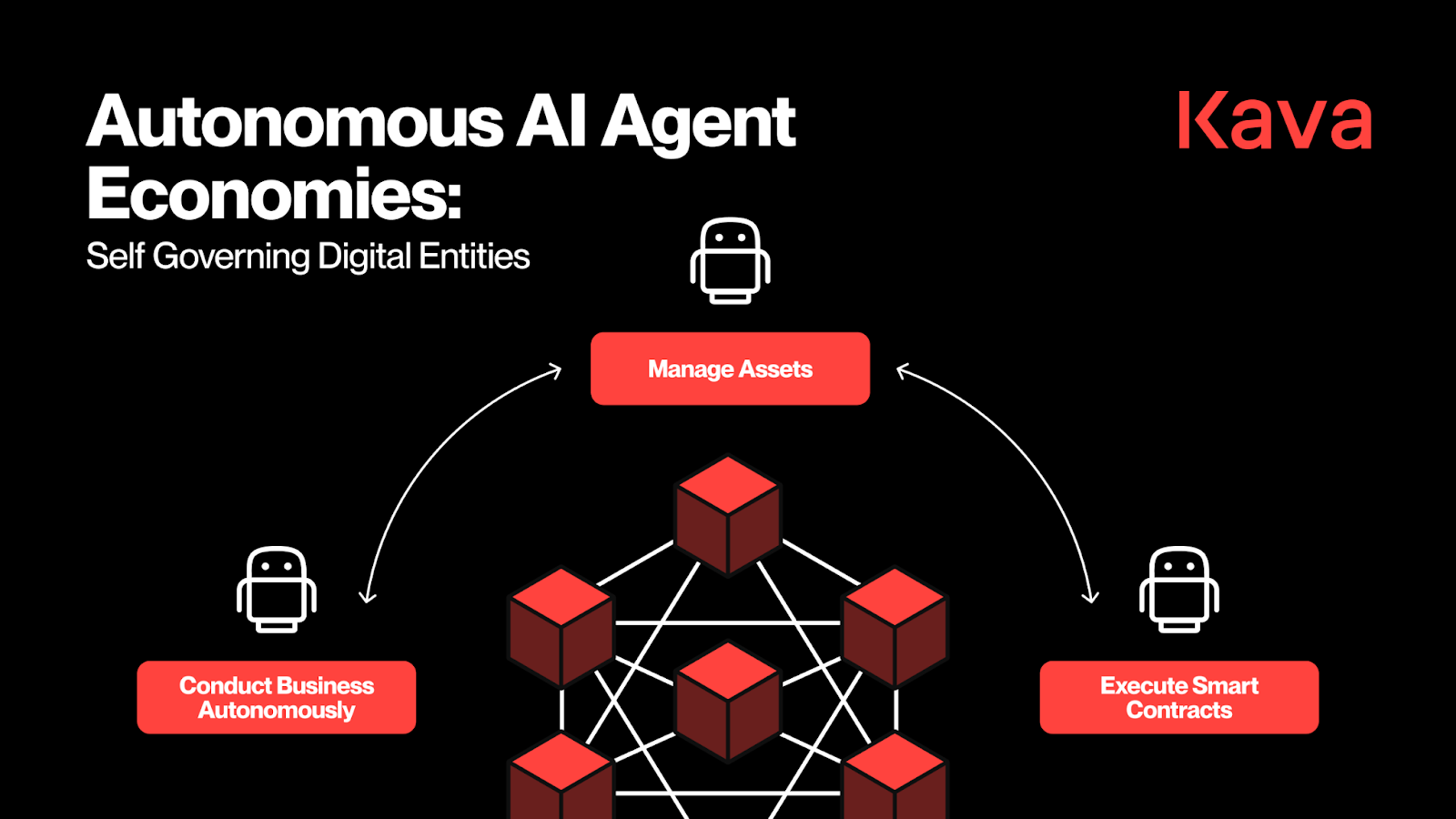


Another project pushing the boundaries of AI and blockchain technology is Fetch.ai. Rather than focusing only on AI models, Fetch.ai is building an ecosystem of autonomous software agents capable of performing economic tasks.
These AI agents are designed to operate independently, representing users, devices, or services within digital marketplaces.
Imagine a world where your personal AI agent manages tasks on your behalf. It might negotiate prices for services, book transportation, trade digital assets, or coordinate supply chains.
Within the Fetch.ai network, these agents interact with one another, exchange information, and conduct transactions using blockchain infrastructure.
One potential application is smart cities. Autonomous agents could manage transportation logistics, energy usage, and infrastructure optimization without centralized coordination.
Another use case involves decentralized marketplaces where agents negotiate the best deals for services or resources.
Because the system operates on blockchain rails, transactions between agents are transparent, verifiable, and automated through smart contracts.
Fetch.ai represents a major step toward a future where AI agents and crypto networks work together to automate complex economic systems.
Ocean Protocol – Monetizing Data for AI Training
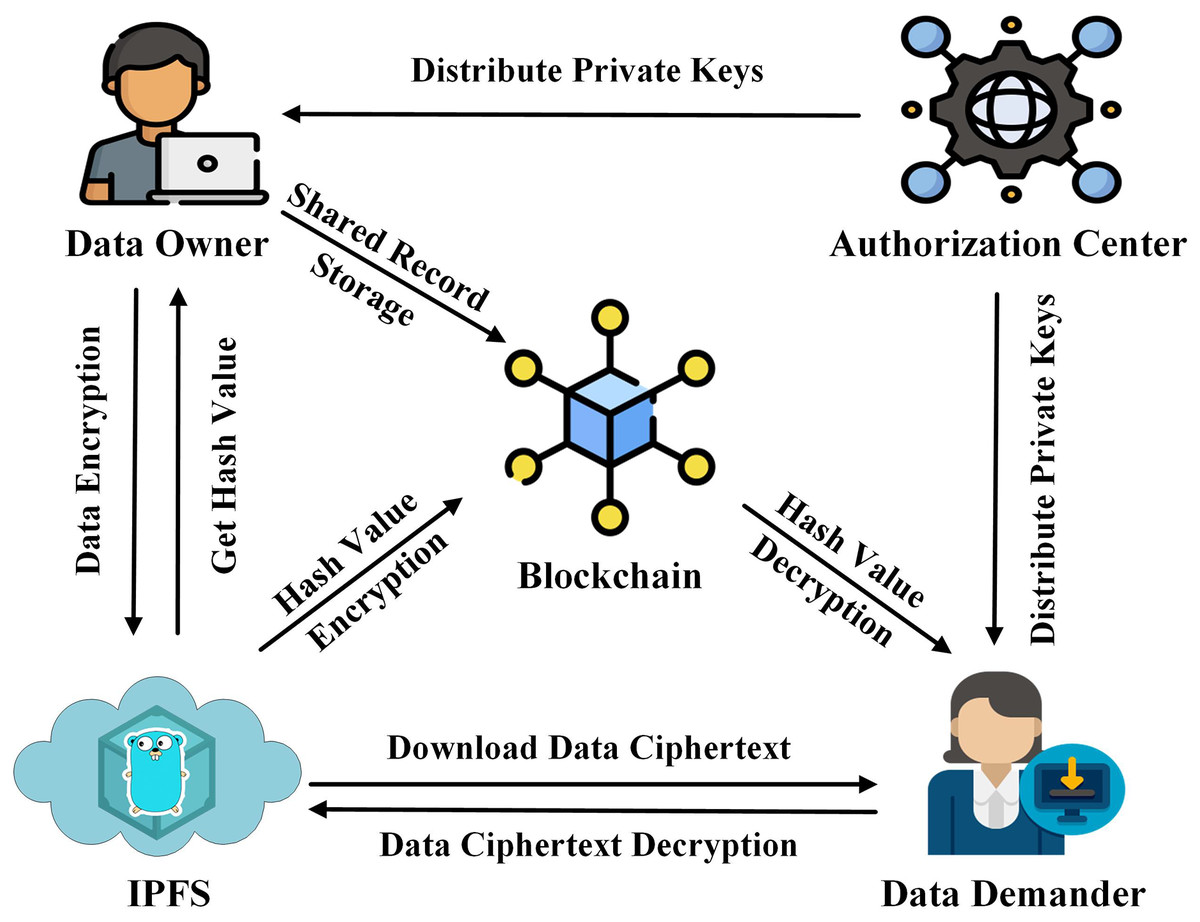
Data is often described as the fuel of artificial intelligence. However, access to large high-quality datasets is limited, and many organizations are reluctant to share valuable data due to privacy concerns.
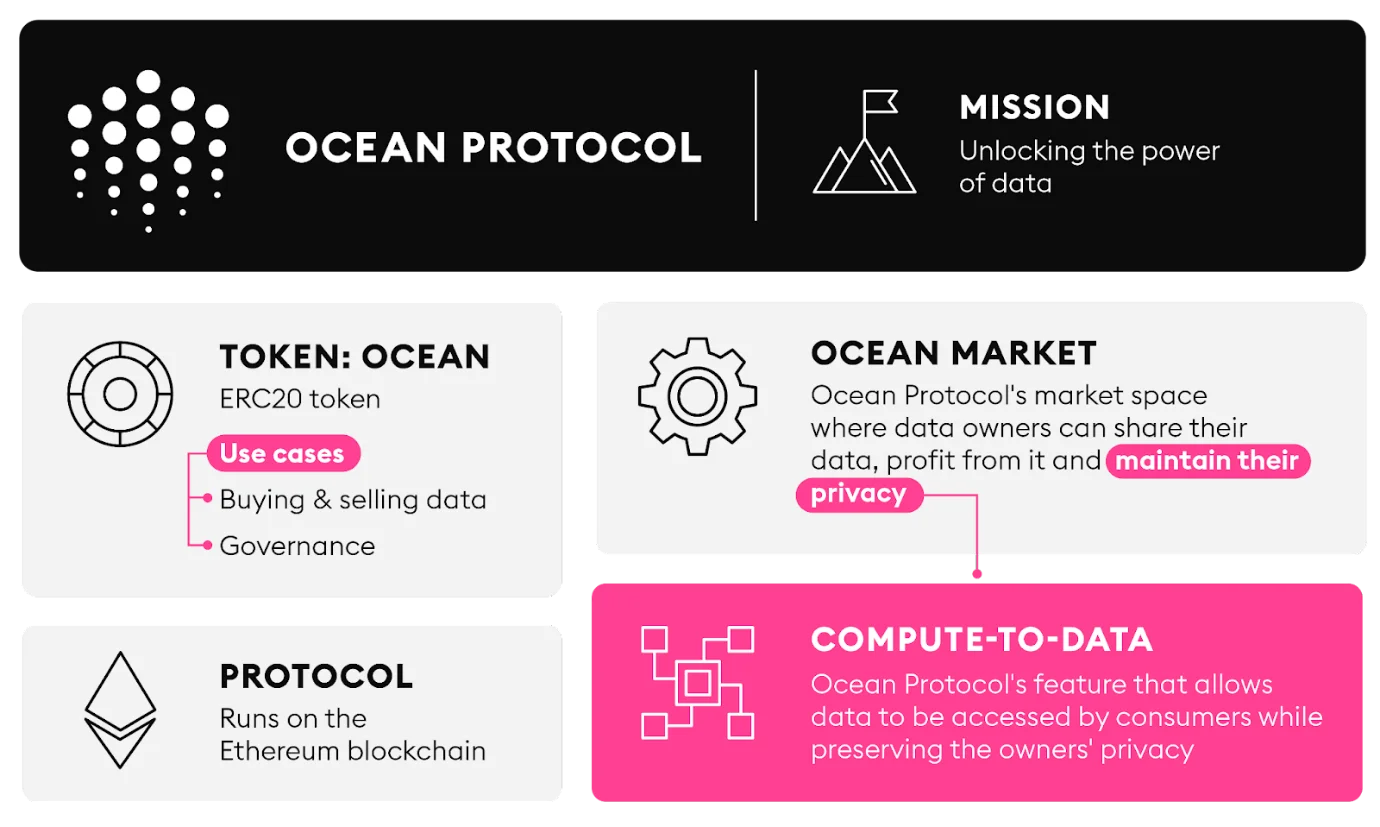
Ocean Protocol attempts to solve this challenge by creating a decentralized marketplace for AI training data.
The platform allows data owners to tokenize datasets and sell access to them without giving up full control of the underlying information. Through blockchain mechanisms, contributors can specify how their data can be used and receive compensation whenever it is accessed.
This model could unlock vast new data resources for machine learning systems.
For example, hospitals might share anonymized medical data to improve AI diagnostic tools while maintaining strict privacy controls. Businesses could monetize proprietary datasets without revealing sensitive information.
Ocean Protocol essentially turns data into a tradable asset within the crypto AI ecosystem.
The result is a global market where individuals and organizations can contribute data, developers can train more advanced models, and AI innovation accelerates through open collaboration.
Bittensor – Decentralized Machine Learning Networks

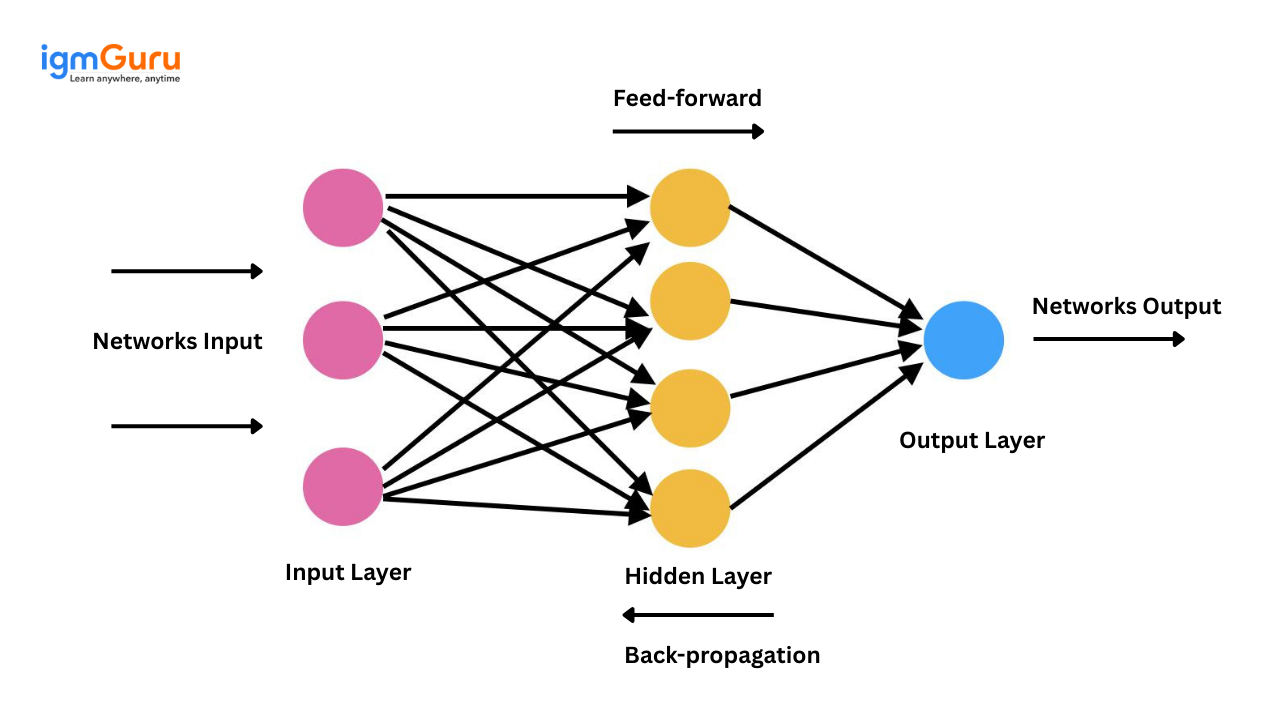

Bittensor approaches the intersection of AI and crypto from a completely different angle.
Instead of creating marketplaces for services or data, Bittensor focuses on building a decentralized network where machine learning models collaborate and compete to produce useful intelligence.
Participants in the network run AI models that contribute outputs to the system. These outputs are evaluated by other participants, and the most valuable contributions receive token rewards.
In essence, the network incentivizes AI models to become smarter and more useful over time.
This design transforms machine learning into an open, competitive environment where innovation is rewarded directly by the network itself.
One of the most fascinating aspects of Bittensor is that it treats intelligence as a digital commodity. Contributors who provide valuable machine learning outputs earn tokens, creating an economic incentive to improve models continuously.
If successful, this type of network could create a global collective intelligence system powered by decentralized incentives rather than centralized control.
Render Network – Decentralized GPU Power for AI

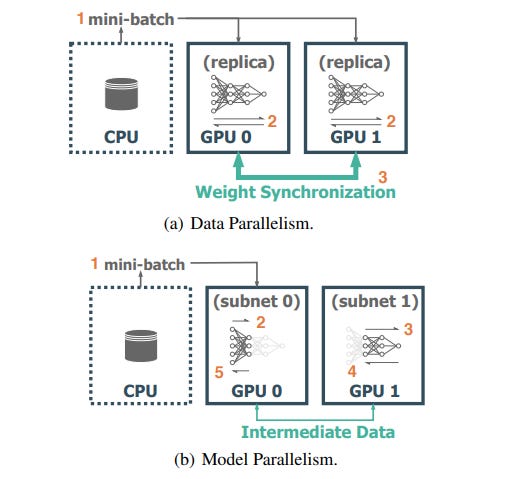
Training large AI models requires enormous computational power, particularly specialized graphics processing units (GPUs). Access to this hardware has become one of the biggest bottlenecks in AI development.
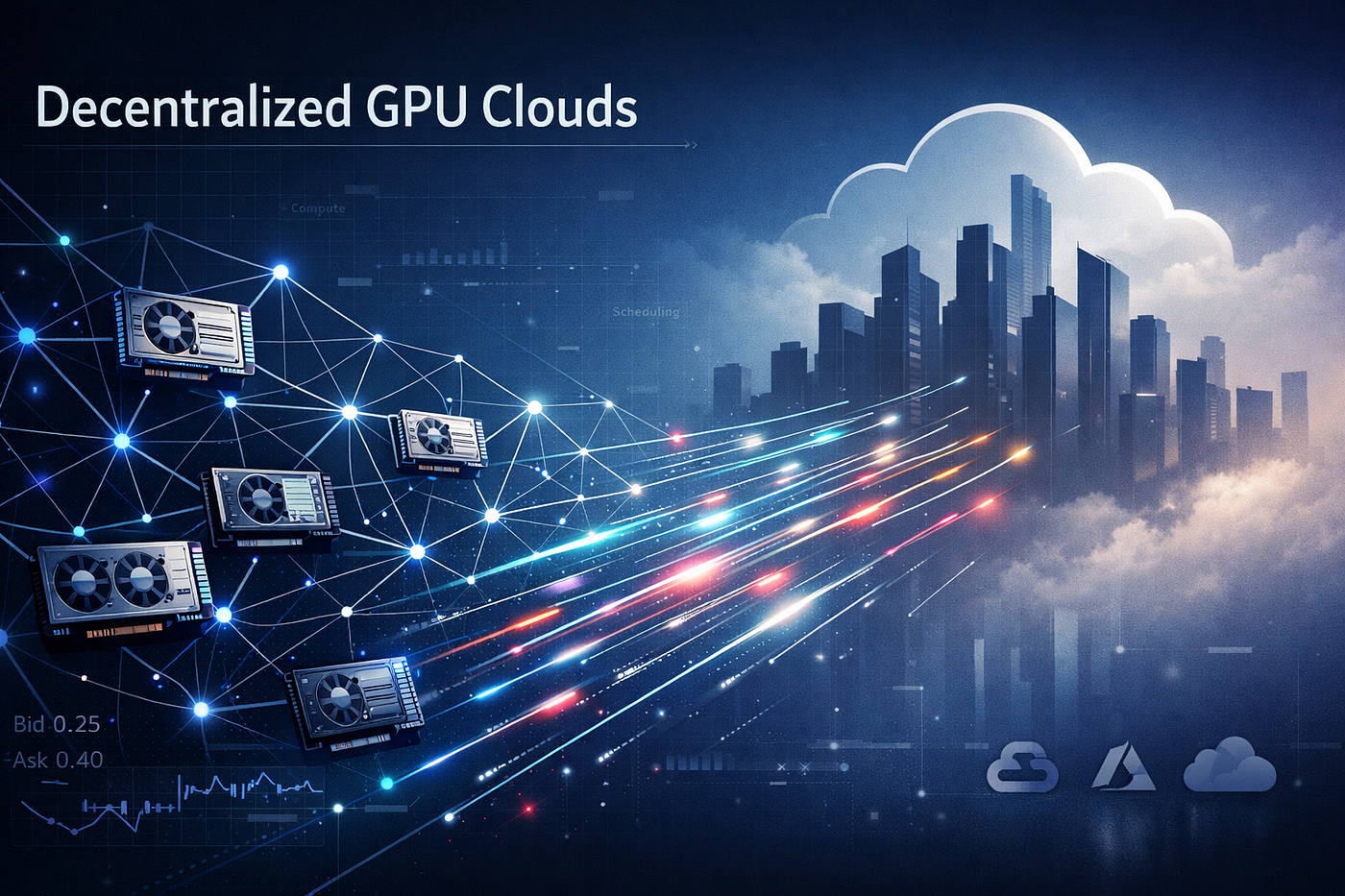
Render Network is addressing this problem by creating a decentralized marketplace for GPU computing power.
Users with idle GPUs can contribute their hardware to the network and earn tokens for completing rendering or computation tasks. Meanwhile, developers and companies can access large amounts of distributed computing resources without relying entirely on centralized cloud providers.
Although Render initially focused on graphics rendering for digital content, its infrastructure is increasingly relevant for AI model training.
As demand for AI computation continues to rise, decentralized GPU networks could play a major role in distributing workloads globally.
This approach creates a new economic model where individuals, studios, and data centers contribute computing resources to a shared infrastructure supporting the broader AI crypto ecosystem.
The Future of the Decentralized AI Economy
The convergence of AI and blockchain technology is still in its early stages, but the momentum is unmistakable.
Across the industry, developers are experimenting with new ways to combine decentralized networks with machine learning infrastructure. These efforts aim to solve many of the problems emerging from centralized AI development—particularly issues related to control, transparency, and access.
In the coming years, we may see the rise of global systems where AI models, data providers, computing resources, and autonomous agents interact through blockchain networks.
Such systems could enable open innovation on a scale never seen before. Independent developers might compete with large corporations by accessing decentralized resources. Individuals could monetize data, computing power, or AI algorithms directly.
However, significant challenges remain.
Scalability, regulatory uncertainty, security risks, and technical complexity still pose barriers to widespread adoption. Many of today’s projects are experimental and must prove they can operate efficiently at global scale.
Despite these obstacles, the idea of a decentralized AI economy continues to attract attention from developers, investors, and researchers.
If these technologies evolve successfully, the future of artificial intelligence may not be controlled by a few centralized companies. Instead, it could be powered by global networks where intelligence, data, and computing power are shared openly through blockchain infrastructure.
And if that vision becomes reality, the intersection of AI crypto projects and decentralized networks could become one of the most transformative technological movements of the decade.