

The collision between artificial intelligence and crypto has become one of the most aggressively marketed narratives in the digital asset ecosystem. Every cycle produces a dominant meme—DeFi, NFTs, metaverse, L2s—and now the banner reads AI x blockchain. Capital is flowing, token valuations are expanding, and founders are retrofitting roadmaps to include “AI agents.”
But beneath the surface narrative, there are two very different realities:
- Projects building foundational decentralized infrastructure
- Projects capitalizing on speculative momentum with thin token utility
This piece separates structural signal from cyclical noise and proposes a framework for evaluating whether AI-crypto convergence represents durable infrastructure or another reflexive hype loop.
The Narrative Engine: Why AI + Crypto Took Off


Three macro forces explain the surge:
1. Generative AI Breakthroughs
The explosion of large language models shifted AI from academic abstraction to consumer utility. Once AI became visible and interactive, token markets searched for exposure.
2. Centralization Anxiety
Most AI development is dominated by hyperscalers. This triggered a philosophical alignment with crypto’s ethos: decentralization, censorship resistance, and open coordination.
3. Capital Rotation
After infrastructure-heavy cycles (L1s, L2s), markets seek adjacent narratives. AI became the natural capital sink for speculative momentum.
However, narratives do not equal infrastructure. To assess durability, we need to segment the category properly.
Category 1: Decentralized Compute Marketplaces

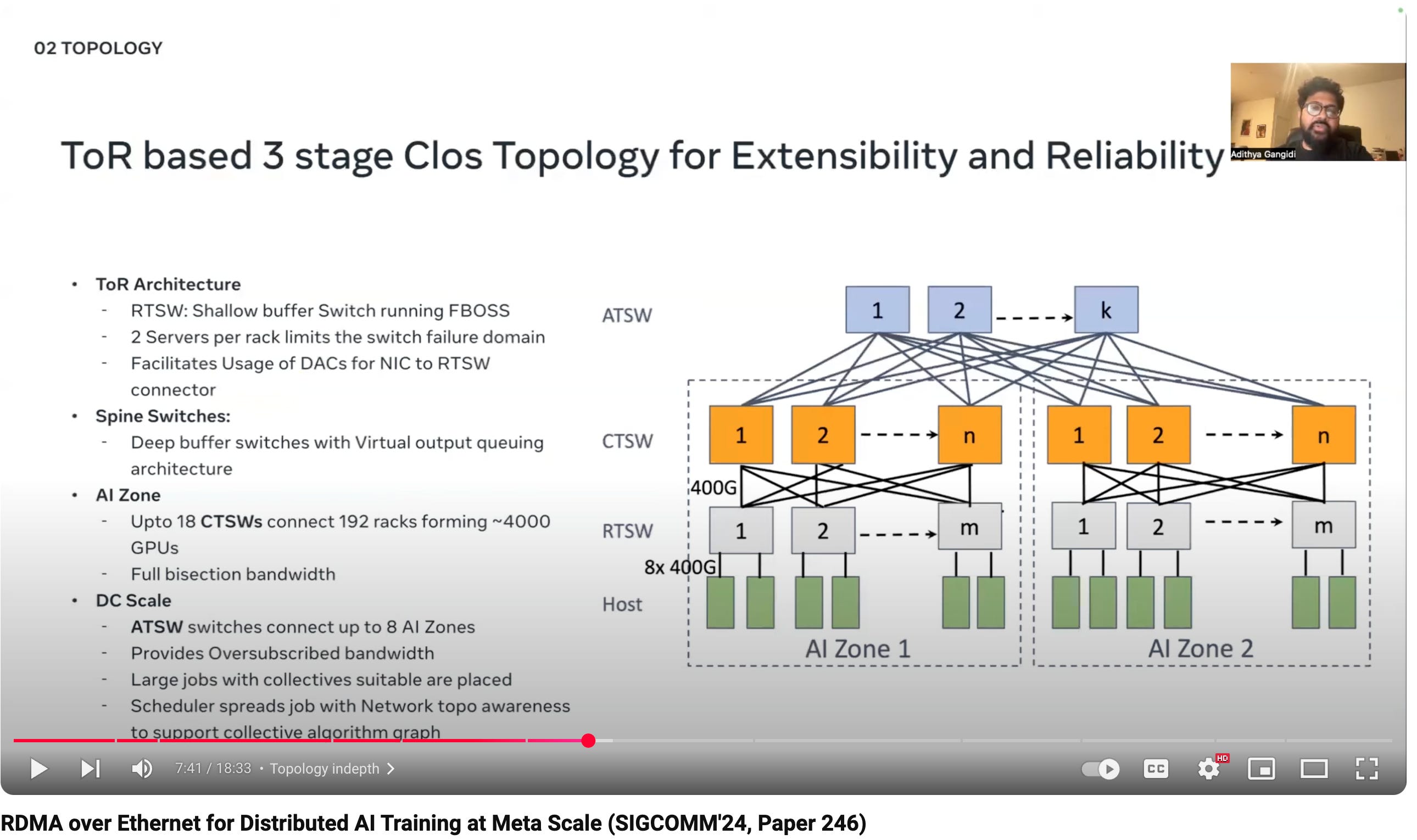

Training and running advanced models requires massive GPU compute. Today, this market is highly concentrated.
Decentralized compute networks aim to:
- Aggregate idle GPUs globally
- Provide permissionless compute markets
- Reduce dependency on centralized providers
- Offer censorship-resistant AI hosting
Structural Merits
- Real demand driver: AI workloads are real.
- Clear token role: staking, job validation, payment settlement.
- Measurable unit economics: compute pricing per task.
Risks
- Quality control across heterogeneous hardware
- Latency constraints
- Difficulty competing with hyperscaler economies of scale
Evaluation Framework
When analyzing a compute token, assess:
- Is there actual GPU utilization, or just token emissions?
- Does the token secure the network through staking economics?
- Are customers paying in stable assets, or purely in native tokens?
- Is pricing competitive relative to centralized alternatives?
If token incentives subsidize demand indefinitely, it’s narrative scaffolding—not infrastructure.
Category 2: On-Chain Data Provenance & AI Integrity

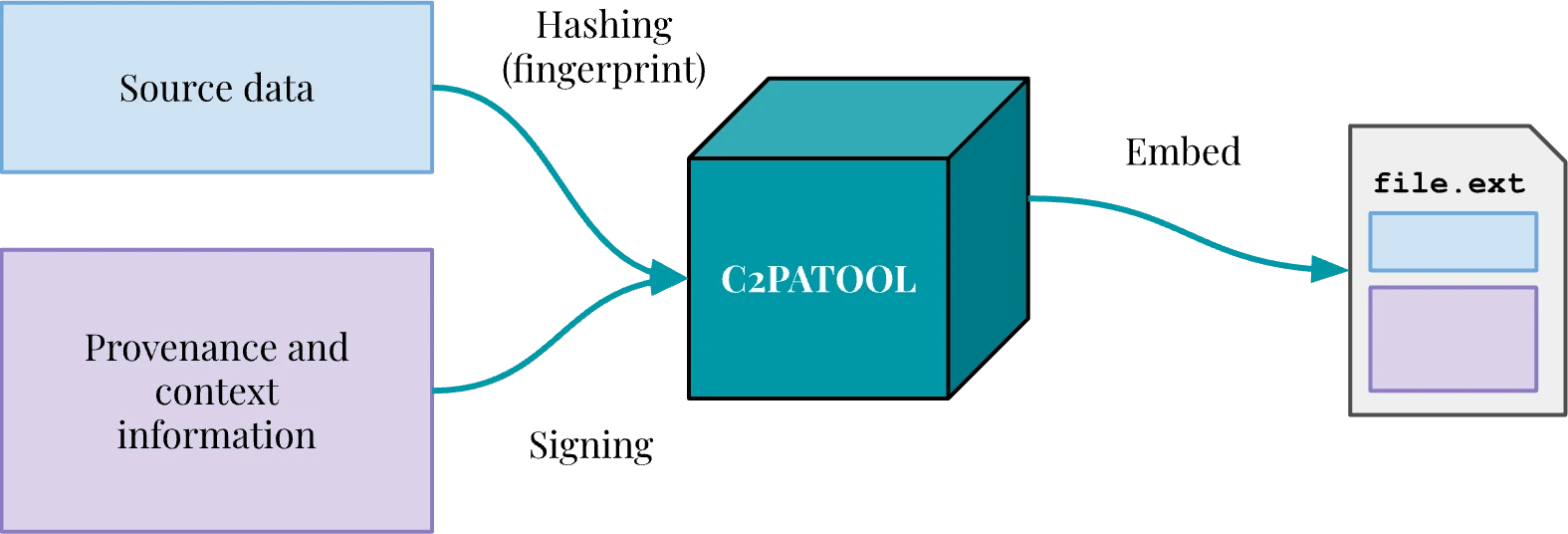

As AI models train on vast datasets, provenance becomes critical. Enterprises increasingly care about:
- Data ownership
- Audit trails
- Model accountability
- IP protection
Blockchain-based provenance systems attempt to anchor:
- Dataset hashes
- Model checkpoints
- Inference outputs
Why This Matters
AI systems hallucinate. They inherit bias. They remix copyrighted material. Verifiable data lineage may become a regulatory necessity.
Structural Strength
- Enterprise compliance demand
- Clear non-speculative use case
- Token potentially tied to storage, verification, or access control
Weakness
- Enterprises may prefer private ledgers.
- Token necessity is often unclear.
If the blockchain component can be removed without degrading the product, the token likely lacks structural utility.
Category 3: Autonomous AI Agents with Wallets
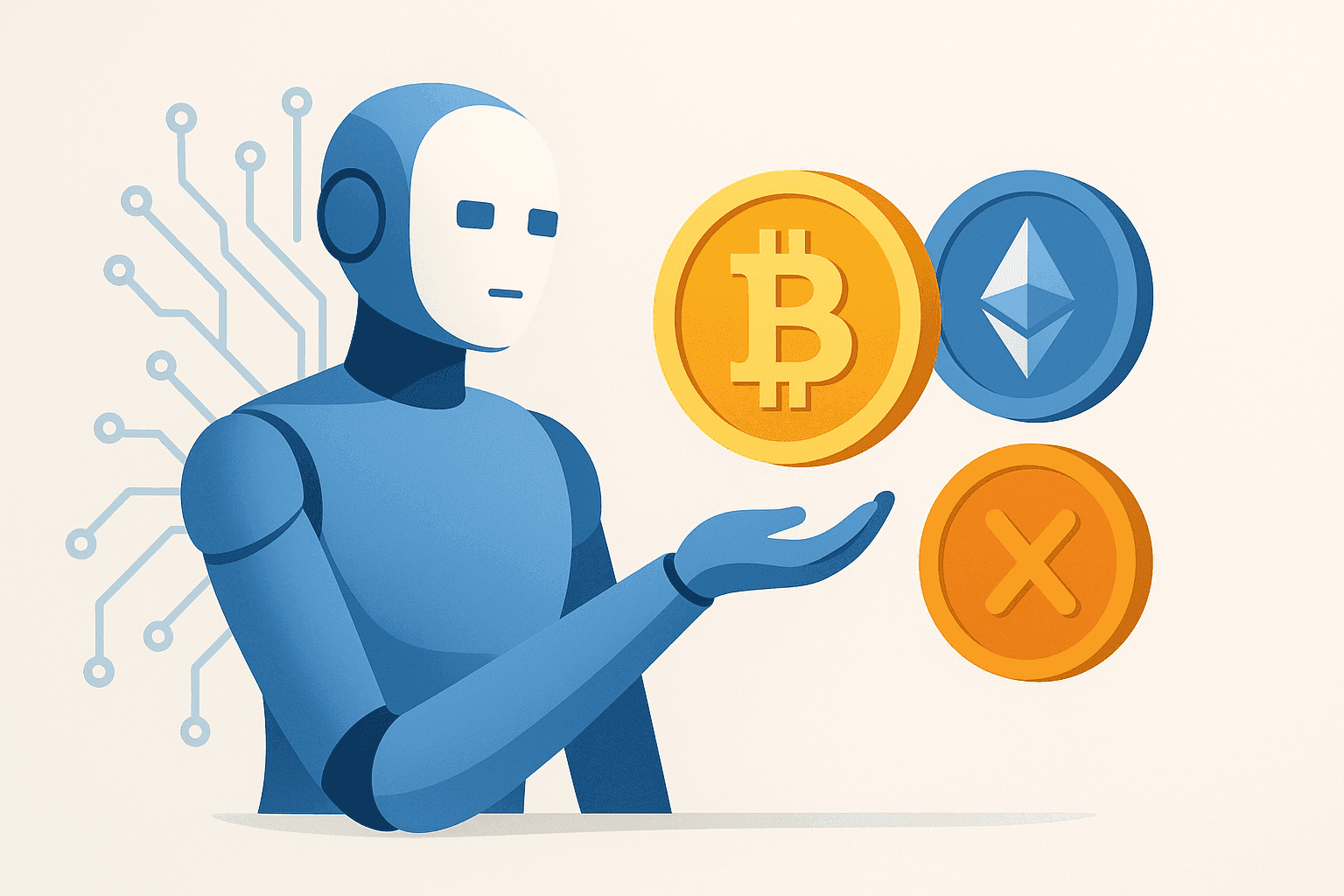

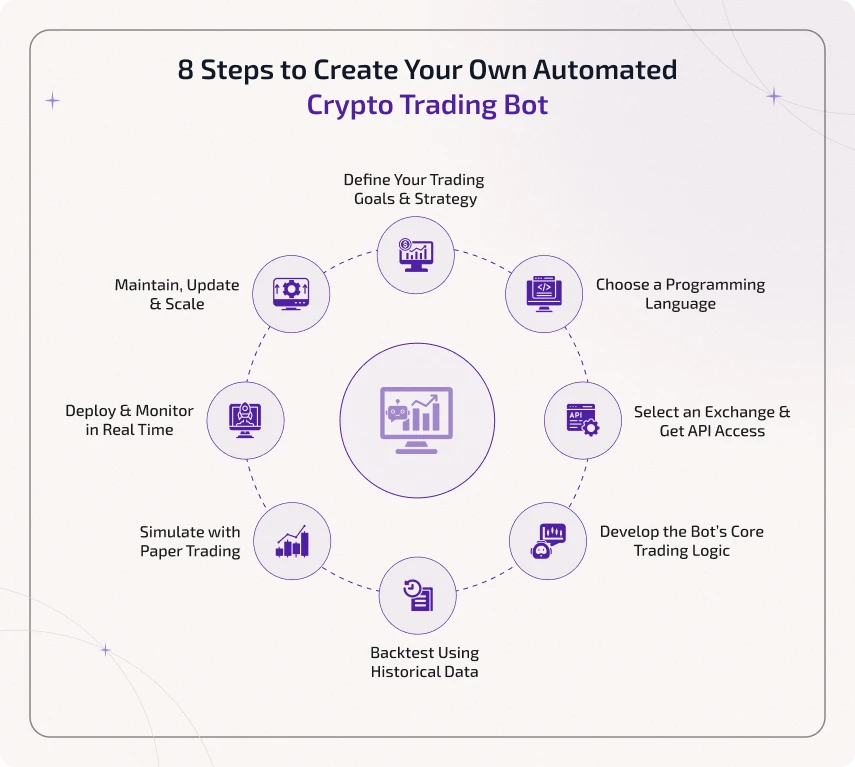
This is the most speculative yet potentially transformative frontier.
The idea: AI agents that:
- Control crypto wallets
- Execute on-chain transactions
- Provide autonomous economic activity
- Interact with DeFi protocols
Because crypto is natively programmable and permissionless, it is uniquely compatible with autonomous agents. Traditional banking APIs do not allow open, machine-native finance.
Structural Advantage
Crypto enables:
- Self-custodial machine wallets
- Smart contract execution
- Global micropayments
- Composability across protocols
AI agents can:
- Arbitrage markets
- Manage liquidity
- Pay for APIs
- Trade digital assets
Open Questions
- Identity: How do agents establish trusted reputation?
- Liability: Who is accountable for agent behavior?
- Security: What prevents key compromise or exploit loops?
The concept is structurally aligned—but execution risk remains high.
The Token Utility Question
The central filter across all AI-crypto projects is simple:
Does the token capture real economic value, or is it a coordination veneer?
A robust token model typically includes:
- Staking for security or quality assurance
- Payment for services in native token
- Slashing mechanisms
- Scarcity tied to network usage
- Reduced reliance on emissions
Red flags include:
- High inflation with low demand
- Governance-only tokens with minimal fee capture
- Incentivized volume masking organic activity
- Weak link between network revenue and token accrual
If revenue can accrue without benefiting token holders, the token becomes narrative collateral rather than infrastructure equity.
Infrastructure vs. Hype: A Comparative Matrix
| Dimension | Durable Infrastructure | Hype Cycle |
|---|---|---|
| Revenue | Organic, growing | Emission-driven |
| Token Role | Security-critical | Marketing-aligned |
| Demand Source | External users | Token speculators |
| Retention | Sticky customers | Rotational traders |
| Margins | Transparent unit economics | Opaque subsidy models |
The difference is not philosophical—it is economic.
Regulatory Considerations
AI regulation is accelerating globally. As AI systems impact employment, security, and misinformation, governments are increasingly assertive.
Crypto-linked AI platforms face layered exposure:
- Securities classification risk
- Data protection regulation
- AI liability standards
- Cross-border compliance
Ironically, regulatory clarity may benefit legitimate infrastructure projects while compressing purely speculative tokens.
Macro Overlay: Liquidity Still Drives Multiples
It is important to contextualize AI + crypto valuations within macro liquidity conditions.
When:
- Real yields decline
- Risk appetite expands
- Retail engagement increases
Narratives amplify. Multiples stretch. Capital flows into frontier sectors.
The inverse also holds.
Even structurally sound AI-crypto infrastructure will reprice aggressively during liquidity contractions. Infrastructure durability does not immunize tokens from macro cycles.
Case Study Thought Experiment: Removing the Token
A practical heuristic:
Imagine removing the token from the system.
- Does the product still function?
- Does security degrade?
- Does incentive alignment collapse?
- Does the business model break?
If the answer is “no” across the board, token necessity is weak.
Infrastructure-grade crypto networks typically fail without the token. Narrative-grade projects often survive perfectly fine.
The Velocity Problem in AI Tokens
Tokens tied to AI services often suffer from velocity compression failure.
If users:
- Acquire tokens only to immediately spend them
- Do not stake or hold
- Face no lock-up incentives
Then price support weakens structurally.
Effective AI infrastructure tokens implement:
- Long-term staking
- Escrowed rewards
- Slashing exposure
- Demand sinks beyond transactional throughput
Without these mechanisms, velocity suppresses valuation over time.
What a Real AI-Crypto Breakout Looks Like
A durable convergence would likely exhibit:
- Sustained compute demand beyond speculative cycles
- Enterprise integration
- Transparent fee capture
- Strong staking participation
- Reduced reliance on token emissions
- Regulatory resilience
The breakout will look boring before it looks explosive.
Hype projects look explosive before they disappear.
The Most Credible Long-Term Convergence
Among the three primary verticals, the most structurally defensible appear to be:
- Decentralized compute networks, if they achieve real utilization
- AI agents using on-chain finance, if identity and security mature
Purely cosmetic “AI branding” attached to thin token mechanics will not survive multiple cycles.
Infrastructure compounds. Narratives rotate.
Final Assessment: Infrastructure with Cyclical Volatility
AI + crypto is neither purely hype nor guaranteed revolution.
It is:
- A credible infrastructure thesis
- Wrapped inside a speculative liquidity regime
The key distinction is economic design.
When evaluating AI-crypto projects, focus on:
- Real demand
- Token capture mechanics
- Network defensibility
- Competitive positioning vs centralized incumbents
- Long-term sustainability without emissions
If the token secures scarce compute, verifies valuable data, or enables autonomous economic coordination, it has structural merit.
If it primarily captures narrative attention, it will likely follow the historical arc of prior cycles.
The convergence of AI, blockchain, and decentralized networks may ultimately produce new economic primitives. But capital discipline—not narrative enthusiasm—will determine which projects persist.
In emerging sectors, technological potential and speculative excess often coexist.
The analyst’s task is to distinguish between them before liquidity does.