
Introduction: The Quiet Shift in Crypto Wealth Creation

Most people still believe the biggest gains in crypto come from buying the right coin at the right time.
That narrative is outdated.
Over the past cycle, a different pattern has quietly emerged—one that has rewarded a small group of early participants far more than traditional investors. Instead of chasing pumps or timing the market, these individuals focused on something far less obvious: being early users of the right infrastructure.
One of the most striking examples of this shift comes from Hyperliquid, a rapidly growing decentralized exchange that introduced the HYPE token through an airdrop that, for some participants, resulted in life-changing gains.
This wasn’t luck. It wasn’t a meme coin frenzy. And it wasn’t driven by hype alone.
It was driven by behavior.
What Is Hyperliquid? A New Kind of DEX

To understand why this airdrop mattered, you need to understand what made Hyperliquid different.
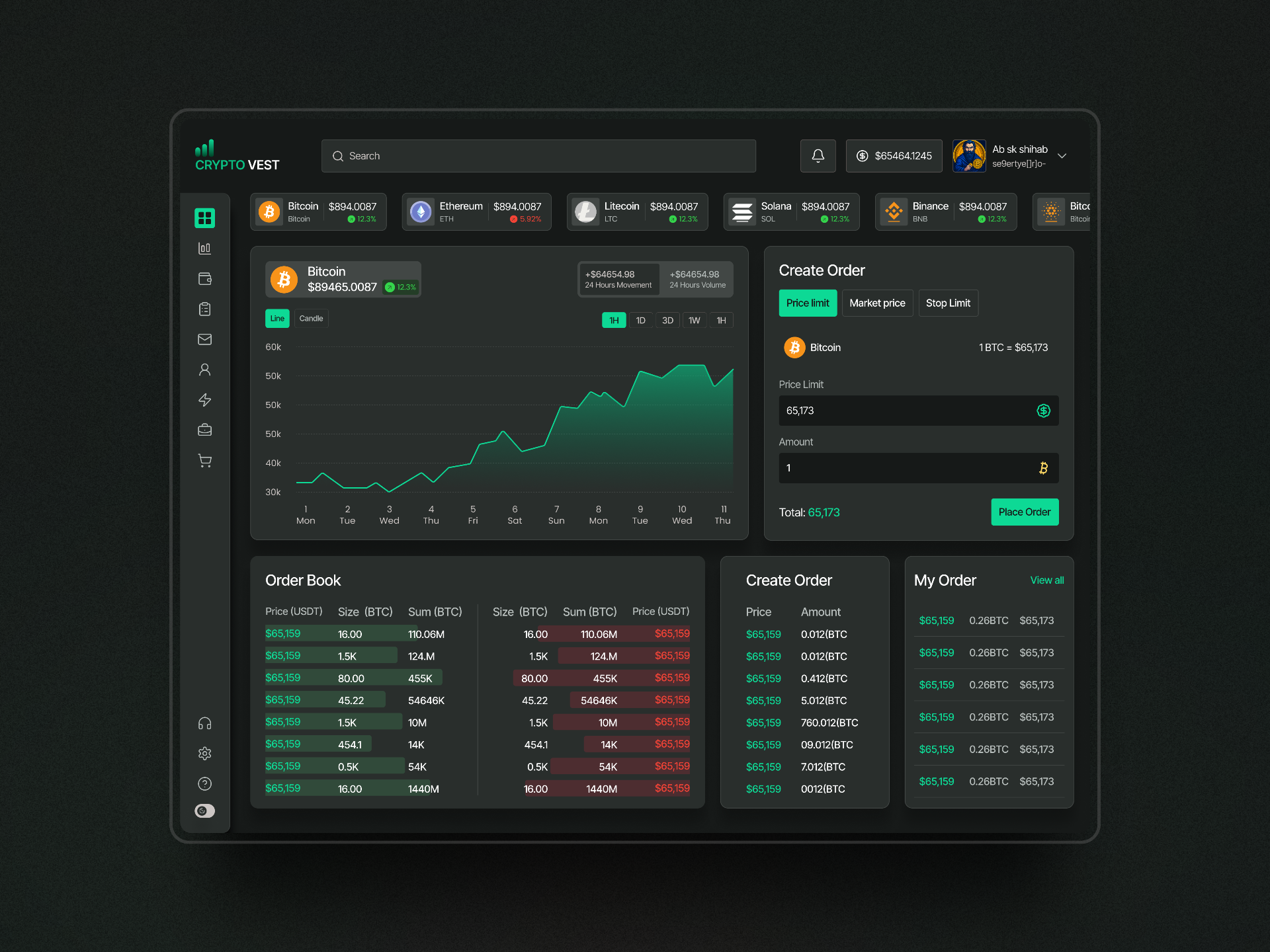
Most DEXs rely on automated market makers (AMMs), where liquidity pools determine pricing. While this model works, it comes with trade-offs: slippage, fragmented liquidity, and a user experience that often feels clunky compared to centralized exchanges.
Hyperliquid took a different approach.
Instead of relying purely on AMMs, it introduced a fully on-chain order book—bringing a trading experience much closer to what users expect from centralized platforms, but without sacrificing decentralization.
That means:
- Faster execution
- More precise order control
- A trading interface familiar to serious traders
In practical terms, it blurred the line between centralized and decentralized trading. And that’s where things started to get interesting.
Because when infrastructure improves, user behavior follows.
The HYPE Token: More Than Just Another Launch


The introduction of the HYPE token wasn’t just another token launch in an already saturated market.
It was a reward mechanism.
Instead of prioritizing early investors or venture capital allocations, the distribution heavily favored users who actively engaged with the platform—traders, liquidity providers, and participants who contributed to the ecosystem’s growth.
This is a critical distinction.
In traditional crypto launches:
- Insiders often get the best prices
- Retail participants arrive late
- Value accrues unevenly
But in this case, on-chain activity mattered more than capital alone.
The result?
A redistribution of opportunity—from passive observers to active participants.
The Millionaire Narrative: What Actually Happened

Let’s address the headline: Did this airdrop really create millionaires?
The short answer is yes—but with important context.
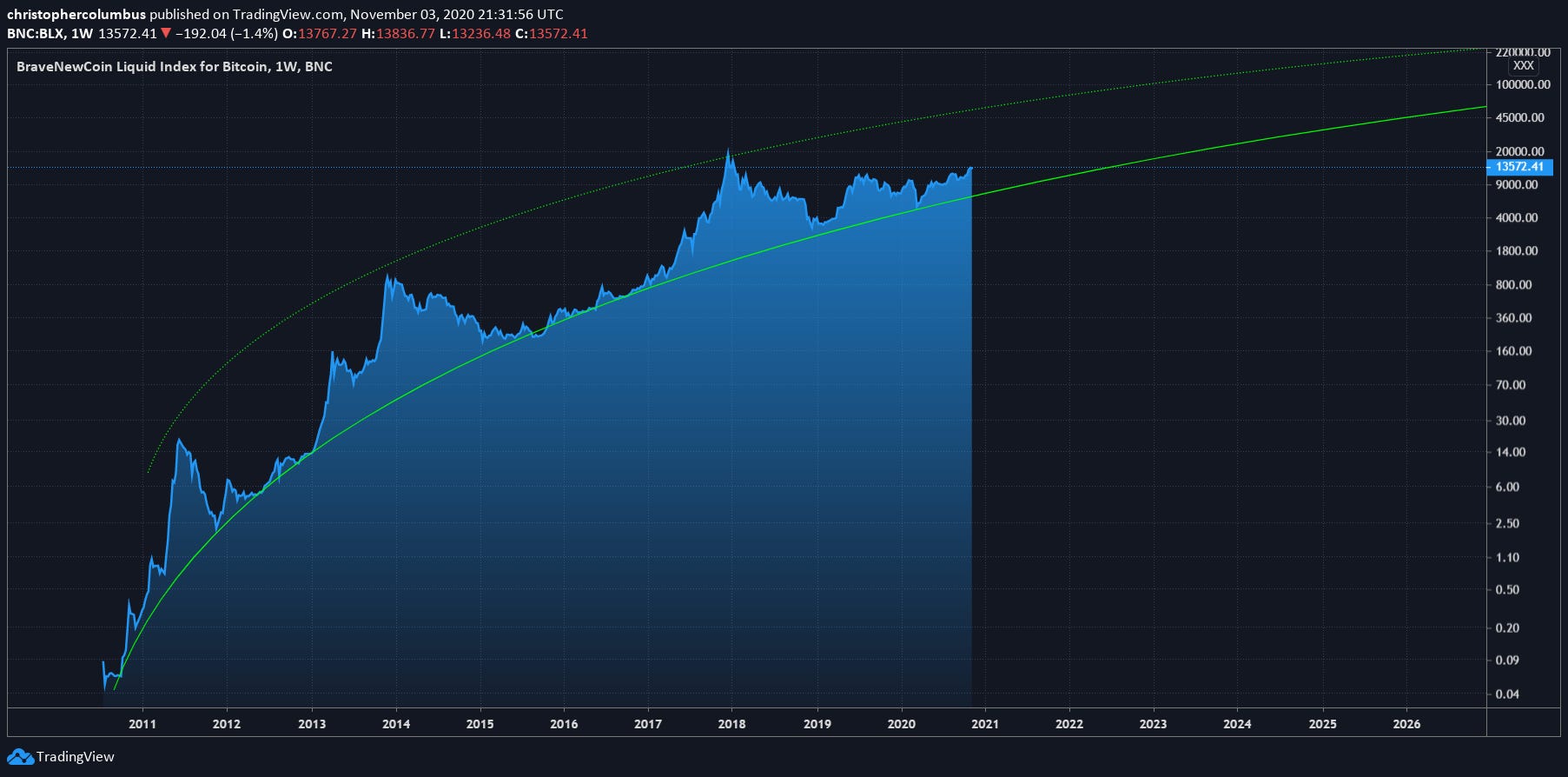
Some early users of Hyperliquid received substantial allocations of the HYPE token based on their activity. When the token launched and market demand followed, those allocations appreciated significantly.
For a small subset of highly active or early participants, this translated into six-figure—and in rare cases, seven-figure—valuations.
However, this outcome wasn’t evenly distributed.
The largest gains were concentrated among:
- High-volume traders
- Consistent platform users
- Early adopters before mainstream attention
This wasn’t a lottery. It was a reward curve based on engagement.
And that distinction matters.
Because it changes how you think about opportunity in crypto markets.
Why This Airdrop Was Different

Not all crypto airdrops are created equal.
Many are short-term marketing tactics—designed to attract users quickly, create temporary buzz, and distribute tokens without long-term alignment.
This one was different.
The Hyperliquid airdrop was tied directly to meaningful activity:
- Trading volume
- Platform engagement
- Ecosystem contribution
This created a stronger alignment between users and the protocol itself.
Instead of rewarding speculation, it rewarded participation.
And that’s a subtle but powerful shift.
Because when incentives are aligned correctly, platforms don’t just attract users—they retain them.
The Bigger Shift: From Speculation to Participation

For years, the dominant strategy in crypto investing has been simple: buy early, sell higher.
But infrastructure-driven ecosystems are changing that model.
Today, some of the most significant gains are coming from:
- Using platforms early
- Providing liquidity
- Engaging with protocols before they scale
In other words, the value is shifting from speculation to participation.
This trend reflects a broader evolution within Web3.
Instead of being passive investors, users are becoming stakeholders—earning rewards for contributing to network growth.
And platforms like Hyperliquid are accelerating that transition.
Why Most People Miss Opportunities Like This

Despite how visible these outcomes seem in hindsight, most people miss them in real time.
Why?
Because they’re looking in the wrong place.
Common behaviors include:
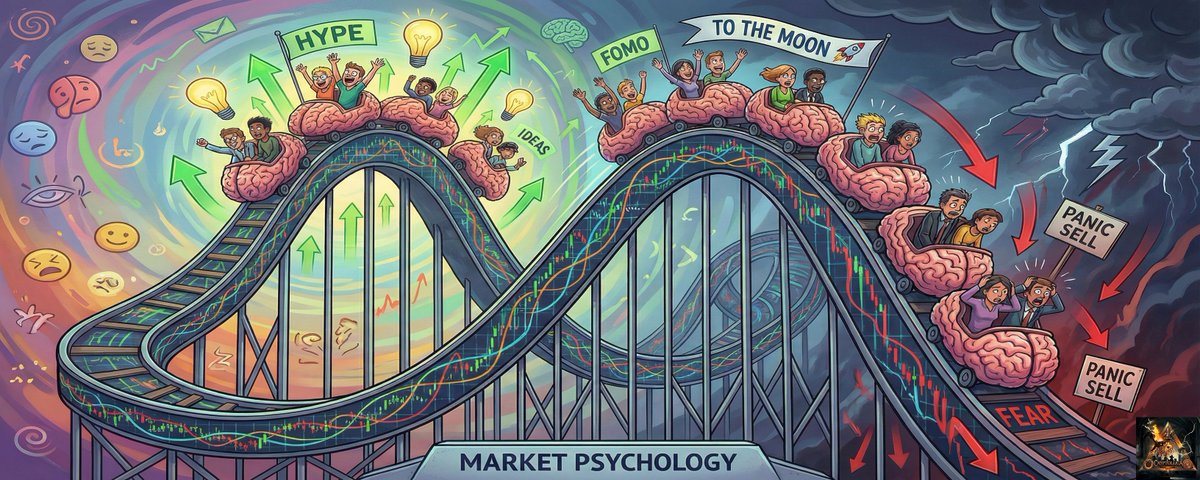
- Chasing trending tokens
- Reacting to social media hype
- Entering after momentum is already established
But opportunities like the HYPE token airdrop don’t come from reacting.
They come from positioning.
Specifically:
- Exploring new platforms early
- Testing emerging infrastructure
- Paying attention to where developers and liquidity are moving
These signals are often subtle—and easy to ignore.
Until they’re not.
Risk, Reality, and Context

It’s important to ground this discussion in reality.
Not every airdrop creates outsized returns.
Not every platform succeeds.
And not every early user benefits equally.
There are real risks involved:
- Platform risk
- Smart contract vulnerabilities
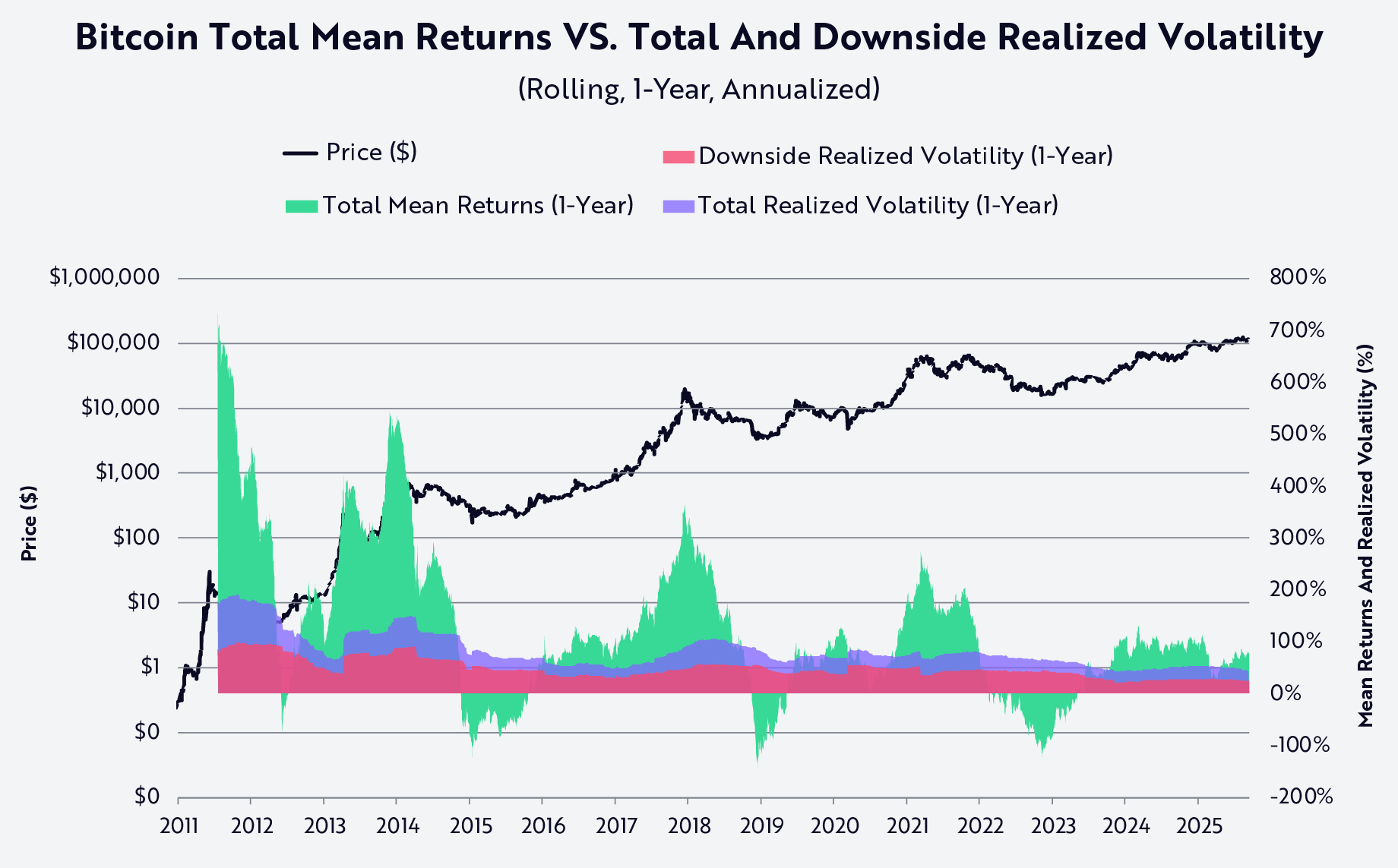
- Token volatility
- Regulatory uncertainty
Even in successful ecosystems, outcomes vary widely.
The takeaway isn’t that every opportunity will replicate this pattern.
It’s that the mechanism behind the opportunity is repeatable.
The Real Lesson: Follow the Infrastructure



If there’s one lesson to extract from the Hyperliquid story, it’s this:
The biggest opportunities in crypto rarely start with tokens.
They start with infrastructure.
Before tokens gain attention, platforms gain users.
Before narratives form, systems get built.
And before prices move, activity increases.
By the time a token becomes widely discussed, much of the early advantage is already gone.
That’s why focusing on infrastructure—exchanges, protocols, networks—can be a more effective strategy than chasing assets alone.
Conclusion: A New Playbook Is Emerging
The story of the HYPE token and Hyperliquid isn’t just about an airdrop.
It’s about a shift in how value is created and distributed in crypto.
The old playbook was simple:
- Buy early
- Wait
- Sell
The new playbook is more nuanced:
- Discover early
- Participate
- Contribute
And for those paying attention, that shift is creating opportunities that look very different from previous cycles.
The real question isn’t whether this specific airdrop created outsized gains.
It’s whether you recognize the pattern behind it.
Because the next opportunity likely won’t look identical.
But it will follow the same principle:
The earlier you engage with meaningful infrastructure, the greater your potential upside.
If this is where the market is heading, then understanding how these systems reward users isn’t optional.
It’s essential.
And in Part 2, we’ll break down exactly how participants positioned themselves to qualify—so you can start identifying similar opportunities before they scale.