
The Quiet Institutional Takeover of Bitcoin



For more than a decade, Bitcoin represented rebellion against traditional finance. It was born in the aftermath of the 2008 financial crisis, promising a decentralized system free from the influence of banks and governments. Early adopters envisioned a peer-to-peer financial network where individuals—not institutions—controlled their money.
Yet in 2026, a striking transformation is underway.
Large financial institutions are steadily absorbing the cryptocurrency ecosystem through the rise of Bitcoin ETFs, transforming how capital flows into digital assets. What began as a grassroots technology experiment has increasingly become part of the traditional financial system.
Today, Wall Street firms, asset managers, hedge funds, and pension funds are among the largest buyers of Bitcoin. They are not purchasing it through crypto exchanges or self-custody wallets like early enthusiasts. Instead, they are investing through regulated financial products such as spot Bitcoin ETFs.
The change is subtle but profound. Institutional investors are bringing enormous liquidity and legitimacy to Bitcoin. At the same time, their presence raises questions about whether the cryptocurrency’s original mission—financial independence from centralized power—is slowly fading.
Understanding the rise of the crypto ETF boom helps explain why the next phase of the crypto industry may look very different from its origins.
What Exactly Is a Bitcoin ETF?


To understand why institutional money is flooding into the market, it’s important to understand what a Bitcoin ETF actually is.
An Exchange-Traded Fund (ETF) is a financial product traded on stock exchanges that tracks the price of an underlying asset. Traditional ETFs might track stock indexes like the S&P 500 or commodities like gold.
A spot Bitcoin ETF works similarly. Instead of investors buying Bitcoin directly, they buy shares of an ETF that holds Bitcoin on their behalf. The ETF provider purchases and stores the actual Bitcoin while investors trade the ETF shares on regulated exchanges.
This structure offers several advantages:
First, investors do not need to deal with crypto wallets or private keys. Custody and security are handled by institutional providers.
Second, ETFs can be purchased through traditional brokerage accounts. That means millions of investors who previously avoided crypto due to technical barriers can now gain exposure easily.
Third, regulatory oversight adds a layer of confidence for institutional investors. Pension funds, banks, and asset managers often require regulated investment vehicles before allocating capital.
Because of these advantages, the launch of Bitcoin ETF approval in major markets became one of the most significant milestones in crypto history.
The Institutional Money Floodgates



Once regulators approved spot Bitcoin ETFs, the institutional floodgates opened almost immediately.
Large asset managers now control billions of dollars worth of Bitcoin through ETF products. For traditional investors who previously viewed crypto as risky or opaque, ETFs provide a familiar and regulated way to gain exposure.
Institutional capital operates very differently from retail trading. Instead of small speculative purchases, institutions deploy massive allocations through structured investment strategies.
Some hedge funds treat Bitcoin as a macro hedge against currency debasement. Others include it in diversified portfolios alongside commodities and equities.
Even conservative investors like pension funds have begun allocating small percentages of their portfolios to Bitcoin through ETFs. While a 1–2% allocation may sound small, the size of institutional portfolios means this can translate into billions of dollars flowing into the crypto market.
As a result, institutional crypto adoption is accelerating faster than many analysts predicted just a few years ago.
Why Wall Street Loves Bitcoin ETFs

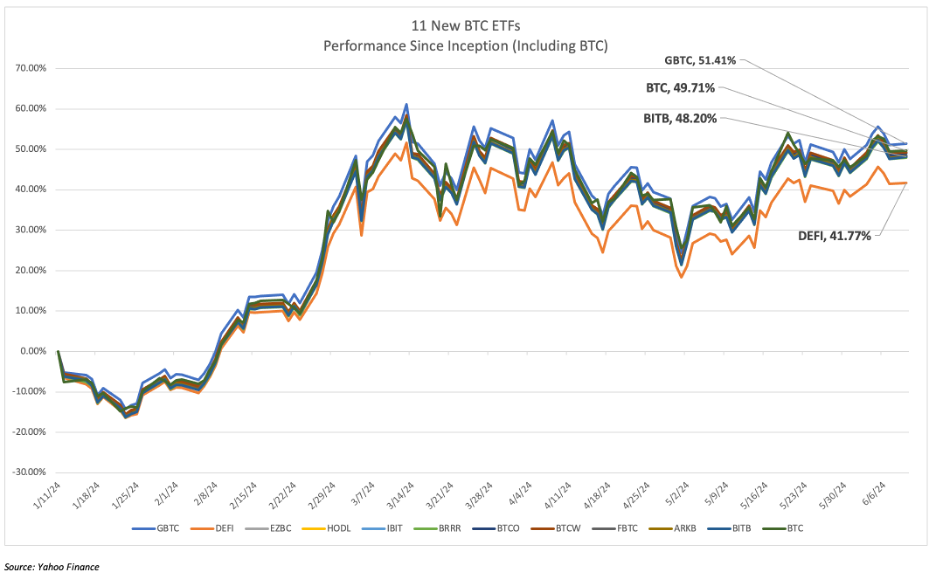

From Wall Street’s perspective, Bitcoin ETFs solve several problems that previously prevented large-scale investment in crypto.
The first issue was custody risk. Storing cryptocurrency securely requires specialized infrastructure. Losing private keys or suffering a hack could mean permanent loss of funds. ETFs outsource this responsibility to professional custodians.
The second challenge was regulatory compliance. Financial institutions operate under strict rules governing asset ownership, reporting, and risk management. Many could not legally hold cryptocurrencies directly until regulated investment products existed.
Another advantage is liquidity. ETFs trade throughout the day on major exchanges, making them easier to buy and sell than physical Bitcoin on some crypto platforms.
Perhaps most importantly, ETFs allow institutions to treat Bitcoin like any other asset class. Portfolio managers can allocate capital, rebalance positions, and hedge exposure using the same tools they use for stocks or commodities.
This convenience has fueled the explosive growth of the crypto ETF market, making it one of the fastest-growing segments of the financial industry.
How ETFs Are Changing the Bitcoin Market


The rise of ETFs is not just bringing new investors into the market—it is fundamentally changing how Bitcoin trades.
Historically, Bitcoin prices were heavily influenced by retail traders on crypto exchanges. Market cycles were driven by social media hype, speculative mania, and rapid sentiment shifts.
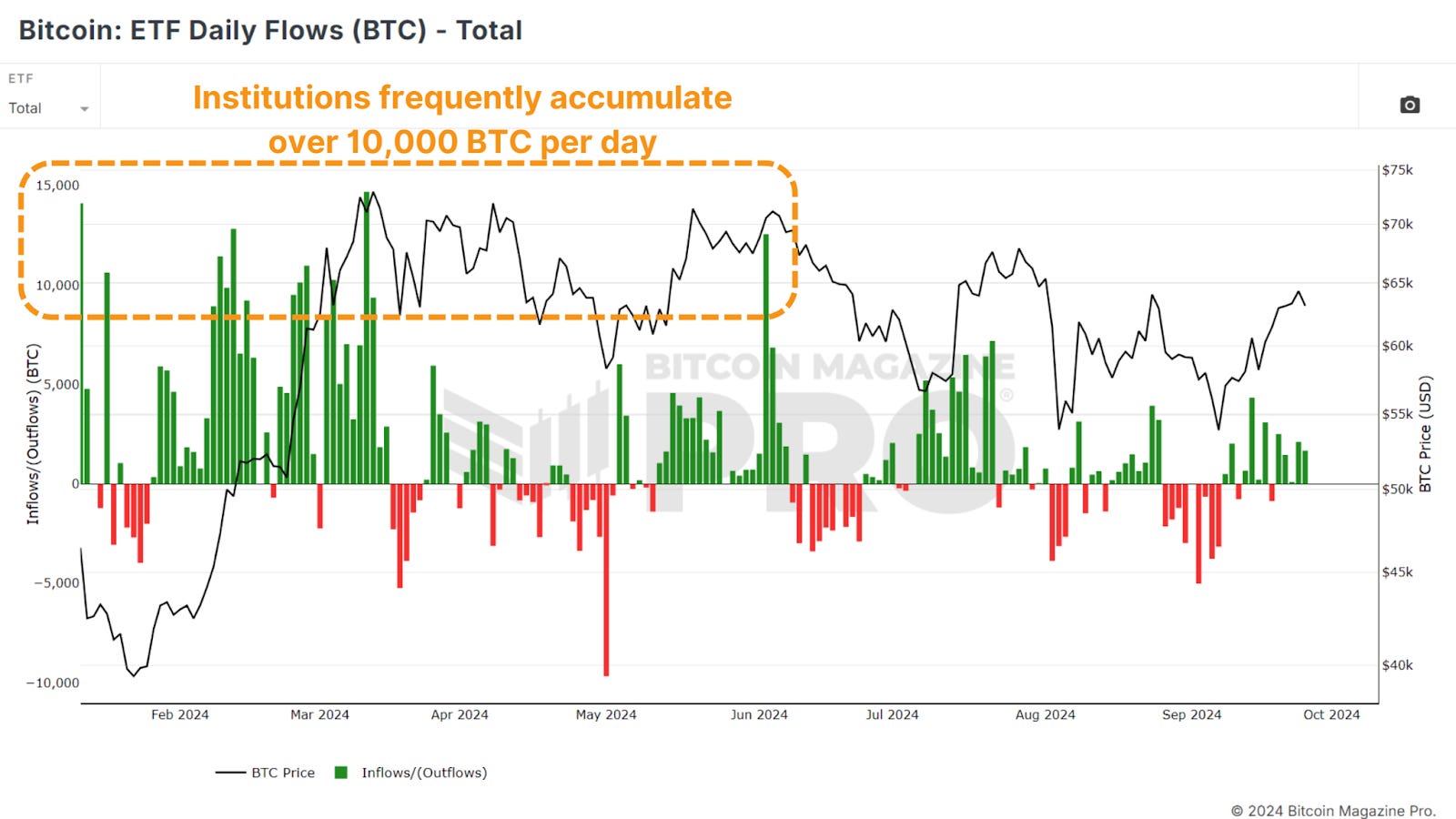
Today, institutional flows increasingly dominate market dynamics.
Large ETF inflows can drive significant buying pressure as fund managers acquire Bitcoin to back new ETF shares. Conversely, large outflows can create selling pressure when investors redeem shares.
This means that traditional financial factors—such as interest rates, macroeconomic data, and institutional risk appetite—now play a much bigger role in the Bitcoin price outlook.
In other words, Bitcoin is becoming integrated into the broader global financial system.
The Debate: Is Wall Street Hijacking Crypto?


Not everyone in the crypto community views this institutional takeover as a positive development.
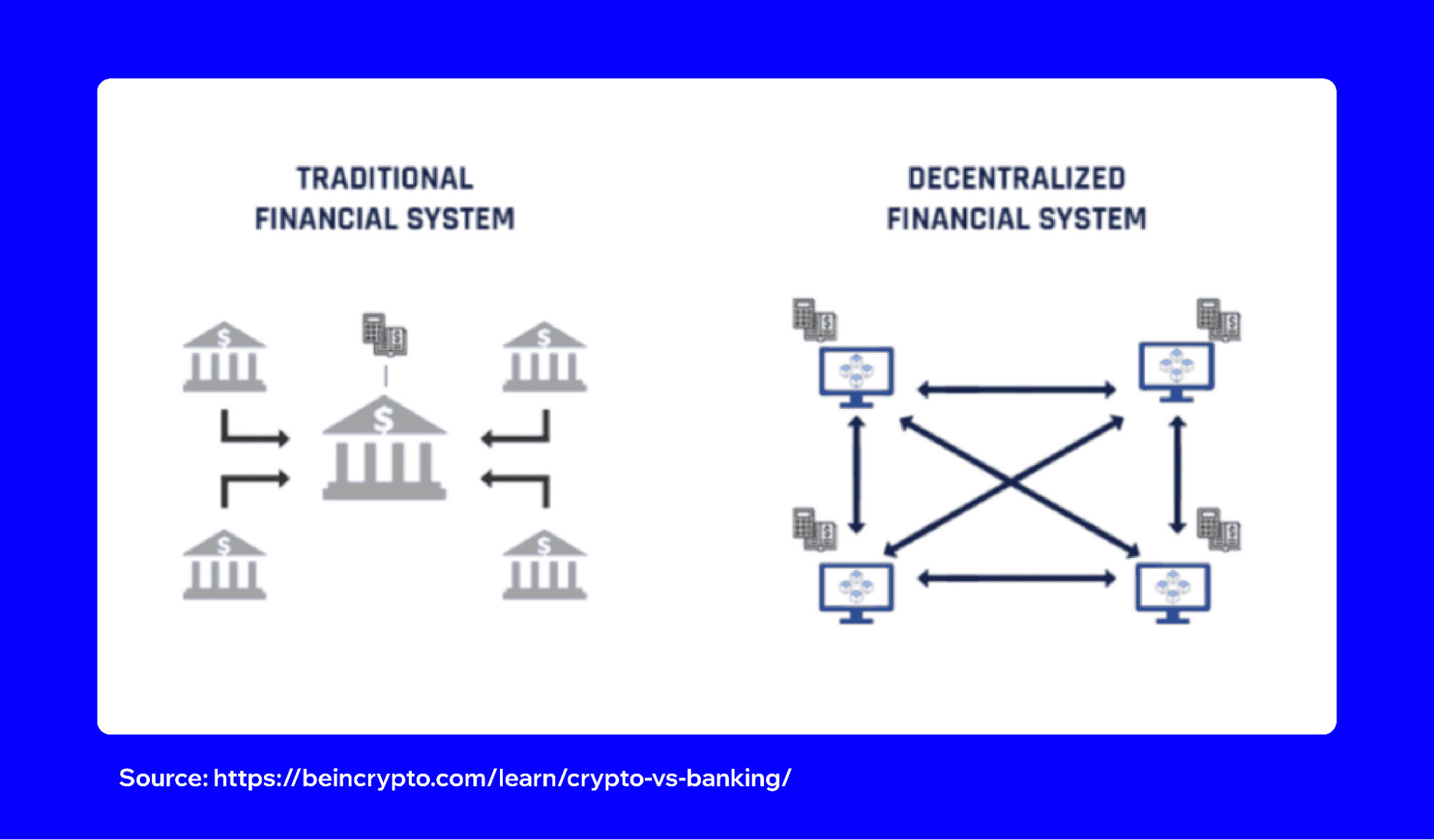
Some long-time Bitcoin advocates worry that the growing influence of Wall Street contradicts the original vision of decentralized finance.
Bitcoin was designed to eliminate reliance on financial intermediaries. Yet ETFs reintroduce intermediaries in the form of asset managers, custodians, and brokers.
Critics argue that if most investors hold Bitcoin through ETFs instead of self-custody wallets, the network’s decentralization could weaken over time.
There are also concerns about market manipulation. Large financial institutions have significant capital and influence, which could allow them to shape market trends.
On the other hand, supporters argue that institutional adoption brings stability and legitimacy. Without institutional participation, Bitcoin might remain a niche speculative asset rather than a global financial instrument.
This debate highlights the tension between Bitcoin’s ideological roots and its evolving role as a mainstream investment.
Retail Investors in the ETF Era

For everyday investors, the rise of ETFs creates both opportunities and challenges.
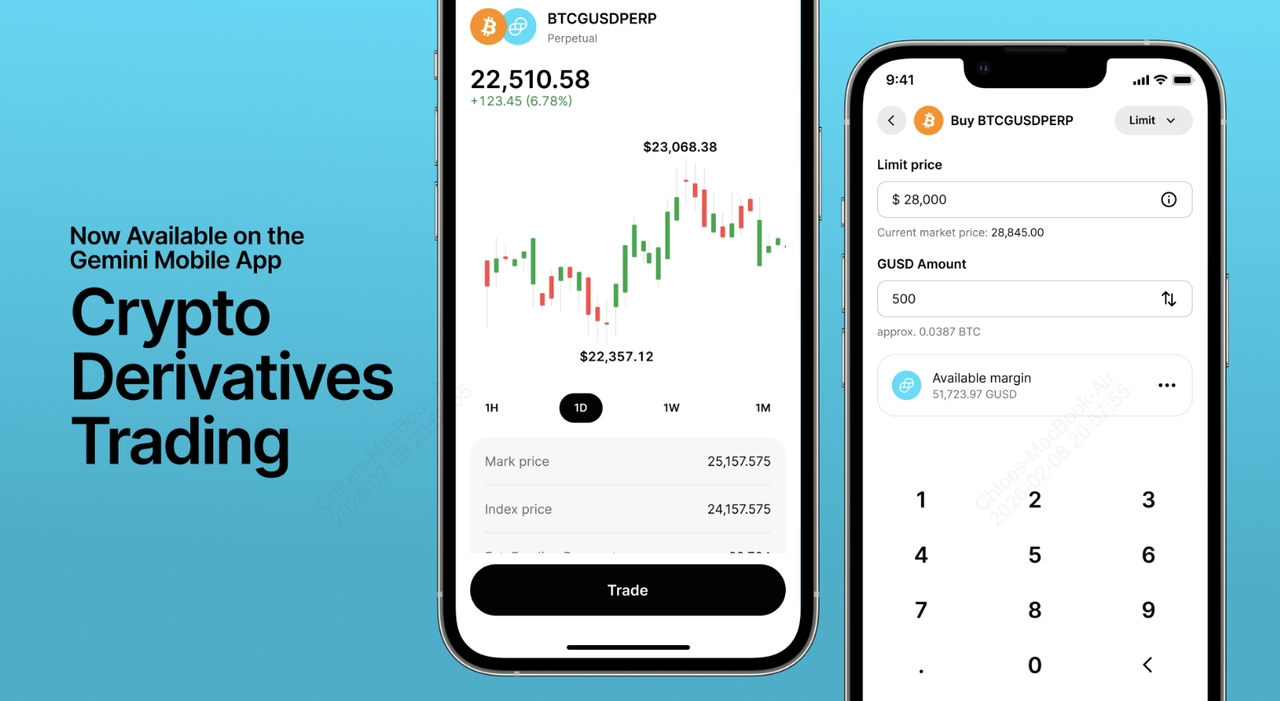
On one hand, ETFs make Bitcoin more accessible than ever. Anyone with a brokerage account can now gain exposure to Bitcoin without dealing with the technical complexities of crypto wallets.
This accessibility is helping drive broader Bitcoin investment strategy adoption among mainstream investors.
However, ETFs also introduce management fees and reduce direct ownership. When investors buy ETF shares, they do not control the underlying Bitcoin themselves.
For those who believe strongly in the philosophy of decentralized finance, holding Bitcoin directly may still be preferable.
The key takeaway is that the crypto ecosystem is expanding to accommodate different types of investors—from hardcore decentralization advocates to traditional portfolio managers.
The Future of the Crypto ETF Boom

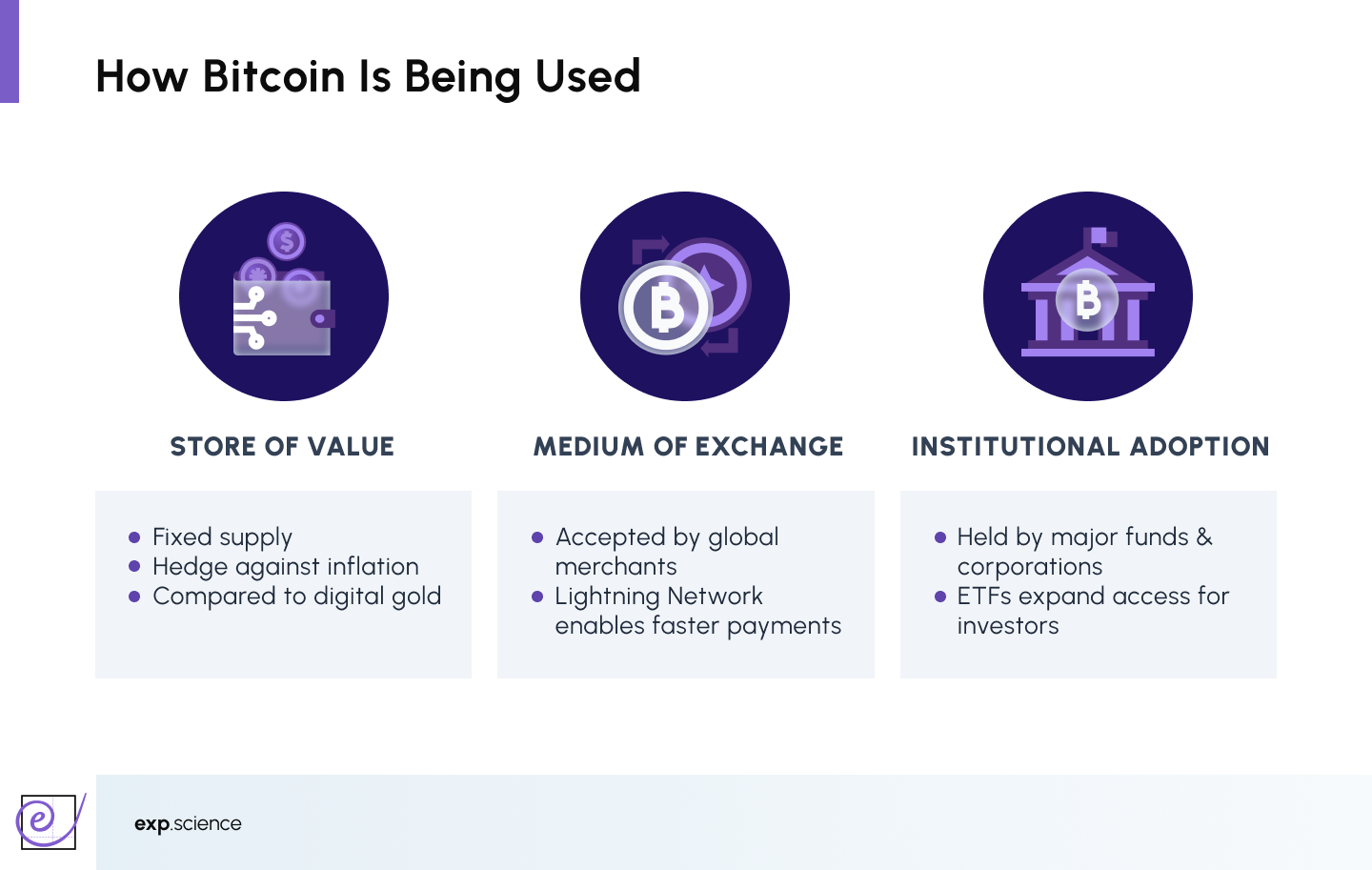

Looking ahead, the ETF trend is likely just beginning.
Many analysts expect additional crypto ETFs covering other digital assets such as Ethereum and diversified cryptocurrency indexes. These products could attract even more institutional capital into the market.
Some financial experts predict that ETFs may eventually become the primary way investors gain exposure to digital assets.
If that happens, the line between traditional finance and cryptocurrency markets could blur almost completely.
At the same time, the core principles of decentralization will continue to attract a different class of crypto users who prefer self-custody and direct interaction with blockchain networks.
The future of the institutional Bitcoin adoption story will likely involve both worlds coexisting.
Conclusion: A New Chapter for Bitcoin
The rise of Bitcoin ETFs marks a turning point in the evolution of cryptocurrency.
What began as an experimental peer-to-peer network is rapidly becoming integrated into the global financial system. Wall Street’s involvement is bringing massive capital, increased liquidity, and greater legitimacy to the market.
At the same time, this transformation raises important questions about Bitcoin’s identity.
Is Bitcoin still a revolutionary financial alternative, or is it becoming just another asset class within traditional finance?
The answer may ultimately be both.
As the crypto ETF boom continues and institutional investors deepen their presence, Bitcoin is entering a new era—one where decentralization and institutional finance must learn to coexist.
For investors, understanding this shift will be crucial. Because whether enthusiasts like it or not, Wall Street is no longer watching Bitcoin from the sidelines.
It is now one of the biggest players in the game.