
Over the past decade, Bitcoin has evolved from a niche digital experiment into a global financial asset that governments, institutions, and investors increasingly take seriously. Originally created as a decentralized alternative to traditional money, Bitcoin now sits at the center of an emerging geopolitical debate about the future of financial power.
As global tensions increase and economic alliances shift, some analysts believe the world may be entering a new era of financial competition — one where countries begin accumulating BTC reserves in the same way they once stockpiled gold.
This concept has sparked discussion among economists, policymakers, and crypto investors alike. Could Bitcoin become part of national strategic reserves? And if so, which countries might lead this new global race?
Bitcoin’s Transformation From Experiment to Global Asset

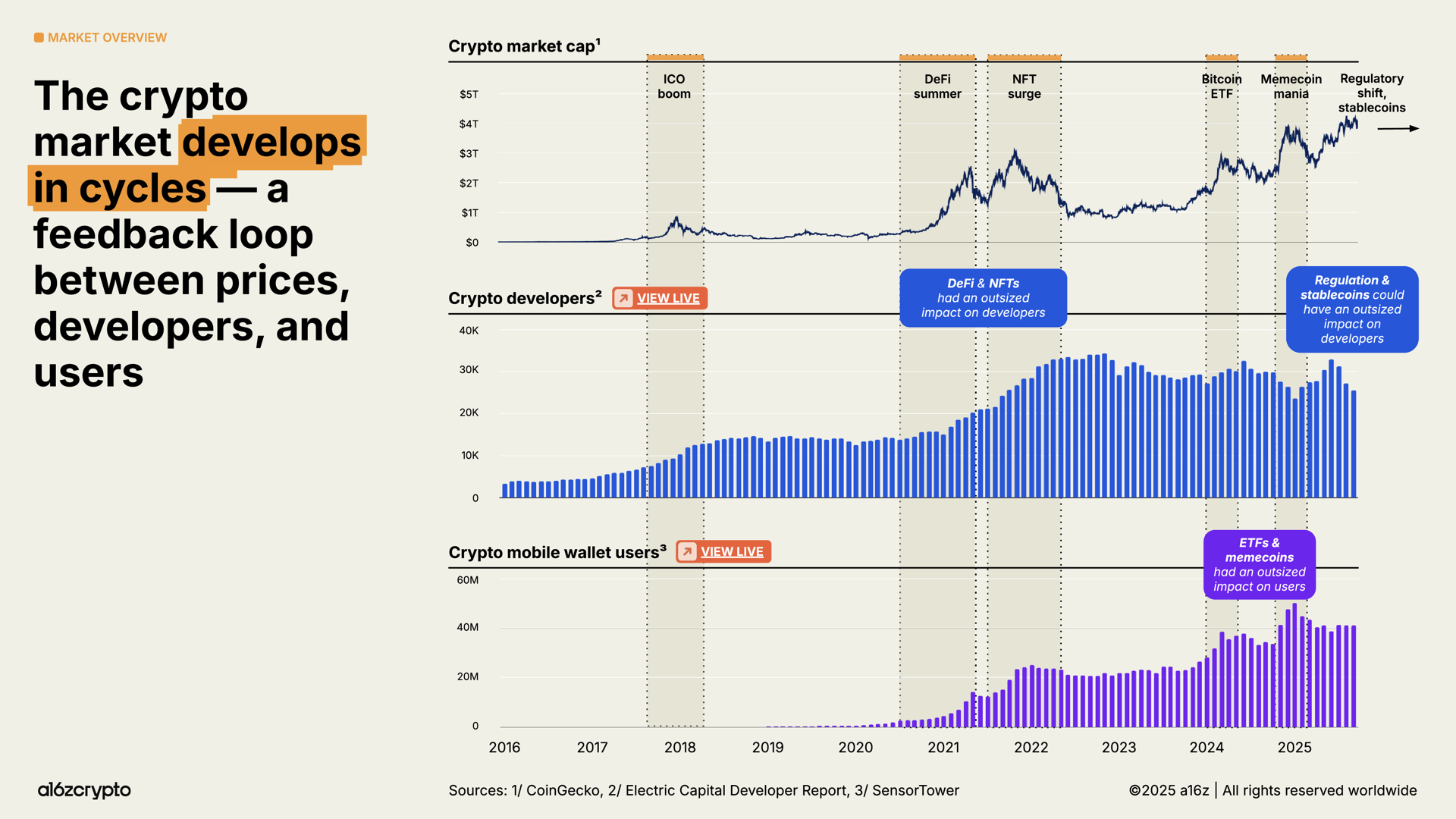

When Bitcoin was introduced in 2009 by the mysterious creator known as Satoshi Nakamoto, few people imagined that it would eventually reach global recognition. In its early years, BTC was primarily used by technology enthusiasts and cryptography communities who were fascinated by the idea of decentralized money.
However, several characteristics quickly set Bitcoin apart from traditional financial assets:
- A fixed supply of 21 million coins
- A decentralized network with no central authority
- Global accessibility without traditional banking systems
- Transparent and verifiable transactions through blockchain technology
These features gave Bitcoin qualities similar to both digital gold and a global payment network. As adoption increased, investors began viewing BTC as a hedge against inflation, currency debasement, and economic instability.
Over time, institutional investors entered the market, bringing significant capital and legitimacy to the cryptocurrency ecosystem.
Why Governments Accumulate Strategic Assets
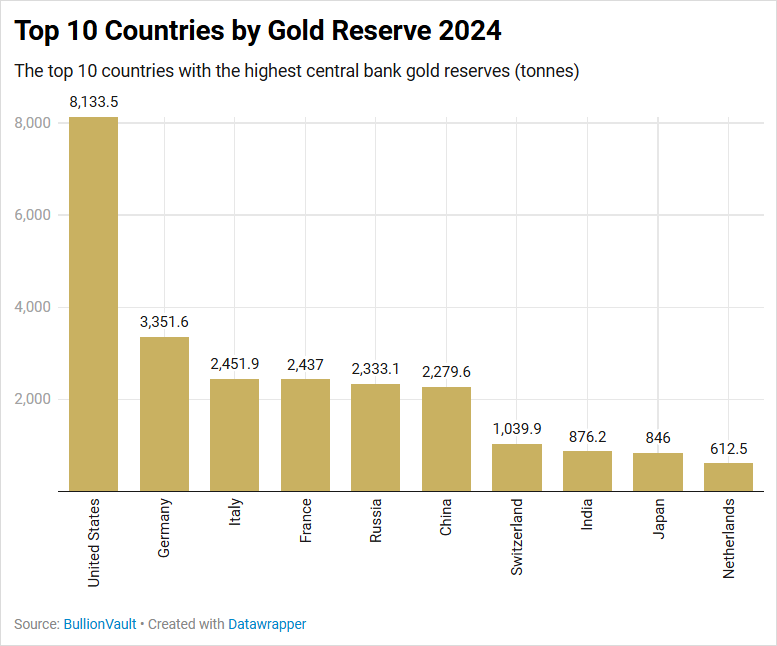

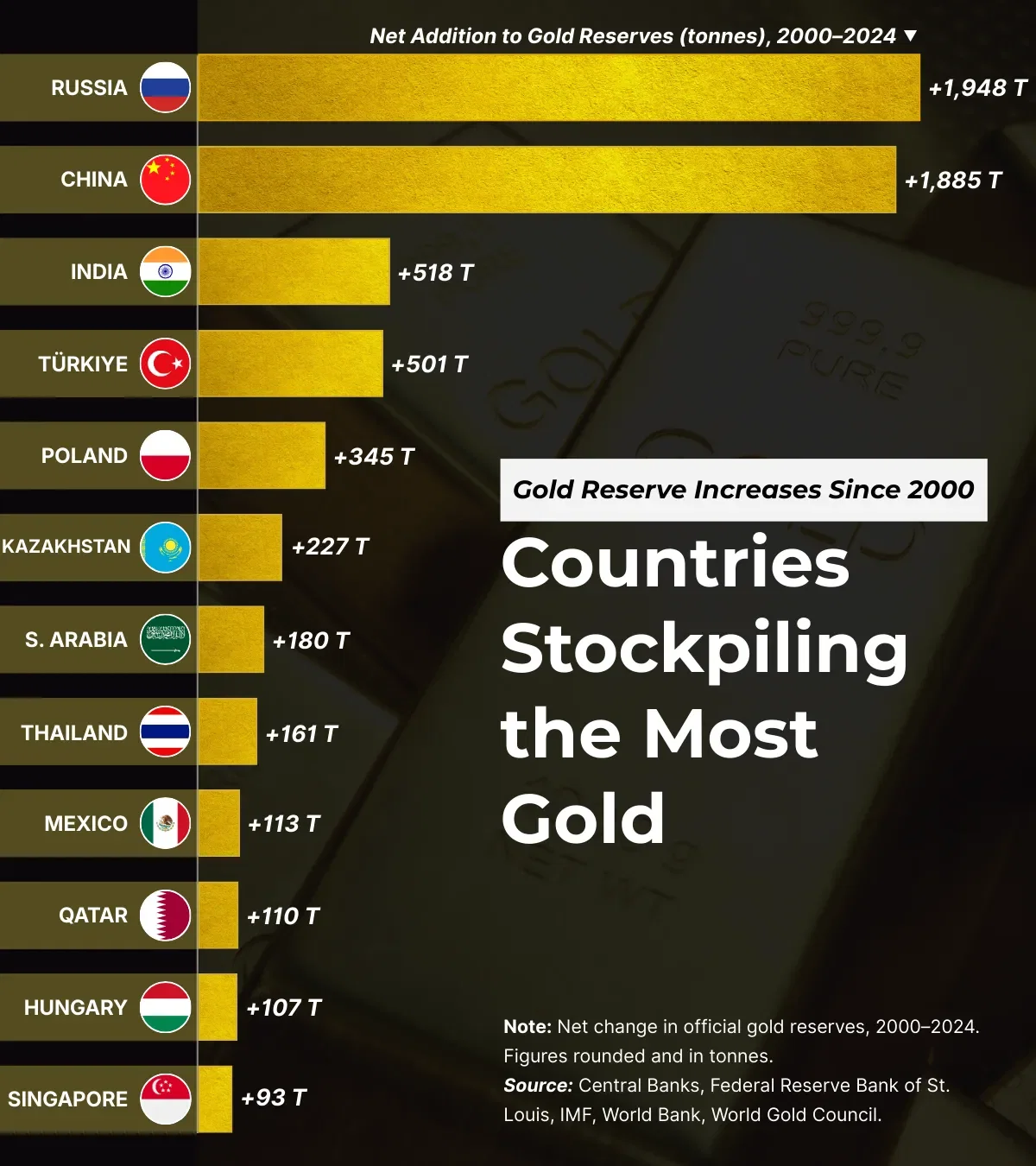
Throughout modern history, governments have accumulated strategic assets to protect national financial stability and maintain geopolitical influence. The most common example is gold reserves, which central banks have stored for decades as a hedge against economic crises.
Countries hold strategic reserves for several reasons:
- Protecting national currencies from instability
- Diversifying foreign exchange reserves
- Increasing economic resilience during global crises
- Maintaining influence in international financial systems
For centuries, gold served as the ultimate neutral reserve asset because it was scarce, durable, and widely accepted across borders.
Today, some analysts argue that Bitcoin possesses similar characteristics in digital form.
With its fixed supply and decentralized infrastructure, BTC cannot be manipulated or printed by any single government. This quality has led some policymakers and economists to consider whether Bitcoin could eventually play a role in national reserve strategies.
The First Signs of a Global Bitcoin Strategy
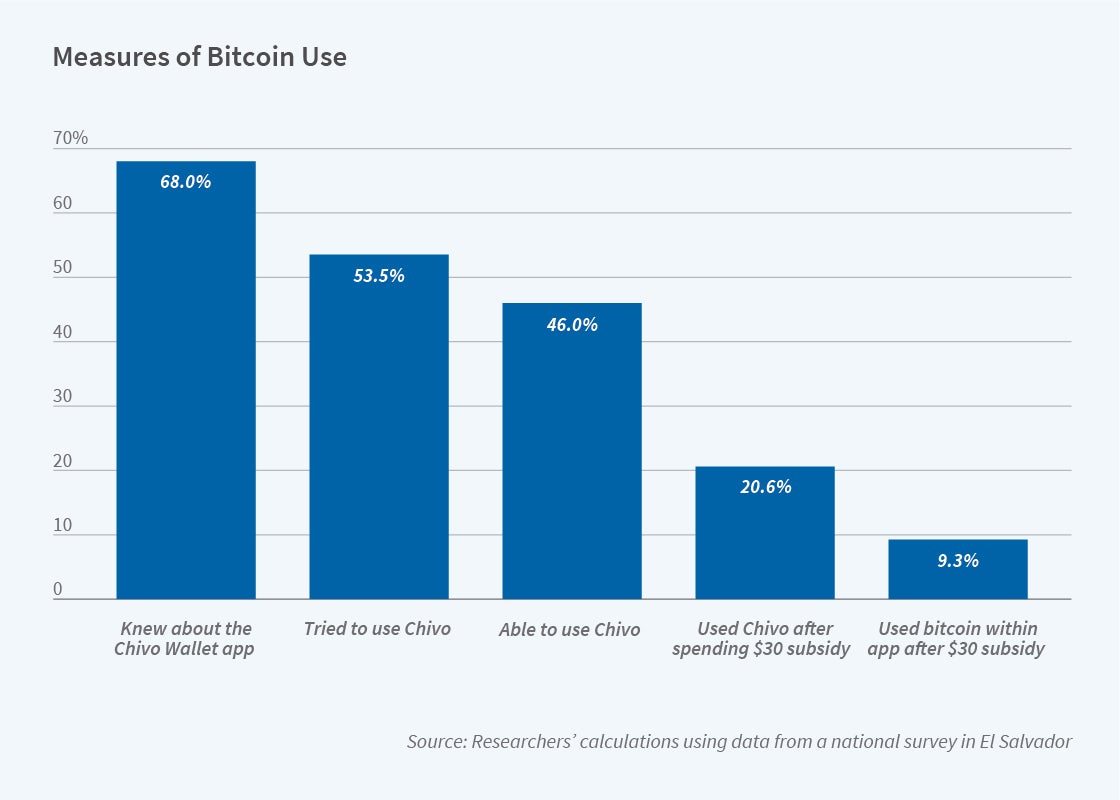

Although the idea of governments accumulating BTC reserves may have sounded far-fetched a decade ago, several developments have already begun to hint at a potential shift.
The most famous example came in 2021 when El Salvador became the first country to adopt Bitcoin as legal tender. The government not only legalized Bitcoin payments but also began purchasing BTC for its national treasury.
This move sparked global debate about whether other countries might follow.
While few governments have fully embraced Bitcoin in the same way, several countries have taken steps toward integrating cryptocurrency into their financial systems. Some nations are exploring regulatory frameworks for digital assets, while others are examining how blockchain technology might support financial innovation.
In parallel, central banks and policymakers have begun researching the potential impact of Bitcoin reserves on monetary policy and international finance.
Bitcoin as Digital Gold


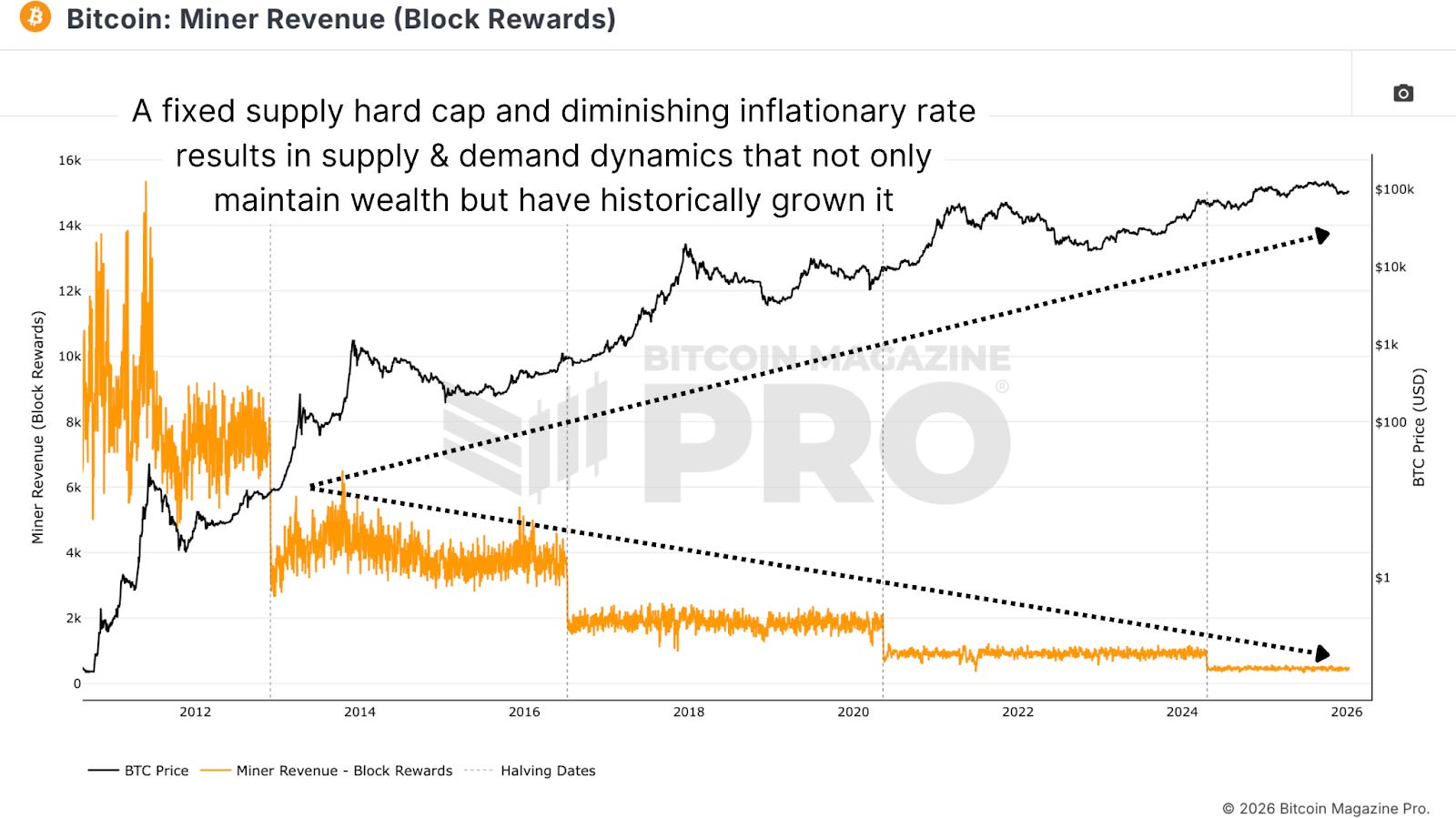
One of the most common arguments supporting Bitcoin reserves is the idea that BTC functions as digital gold.
Like gold, Bitcoin has several properties that make it attractive as a long-term store of value:
- Limited supply
- Resistance to inflation
- Global recognition
- Independence from centralized financial systems
However, Bitcoin also offers advantages that traditional gold does not. Because it exists entirely on a digital network, BTC can be transferred instantly across borders without requiring physical storage or transportation.
This feature could be particularly valuable in a rapidly digitizing global economy.
Some investors already treat Bitcoin as a form of digital reserve asset. If governments eventually adopt a similar perspective, it could dramatically reshape the role of cryptocurrency in global finance.
Geopolitical Competition in the Digital Age
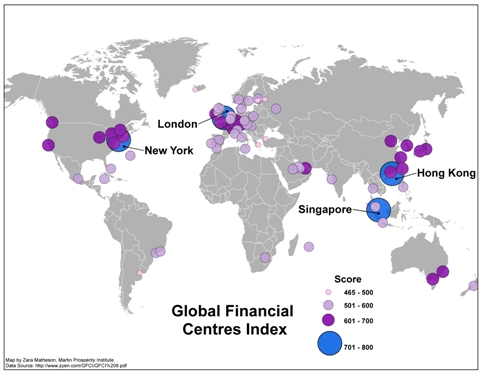
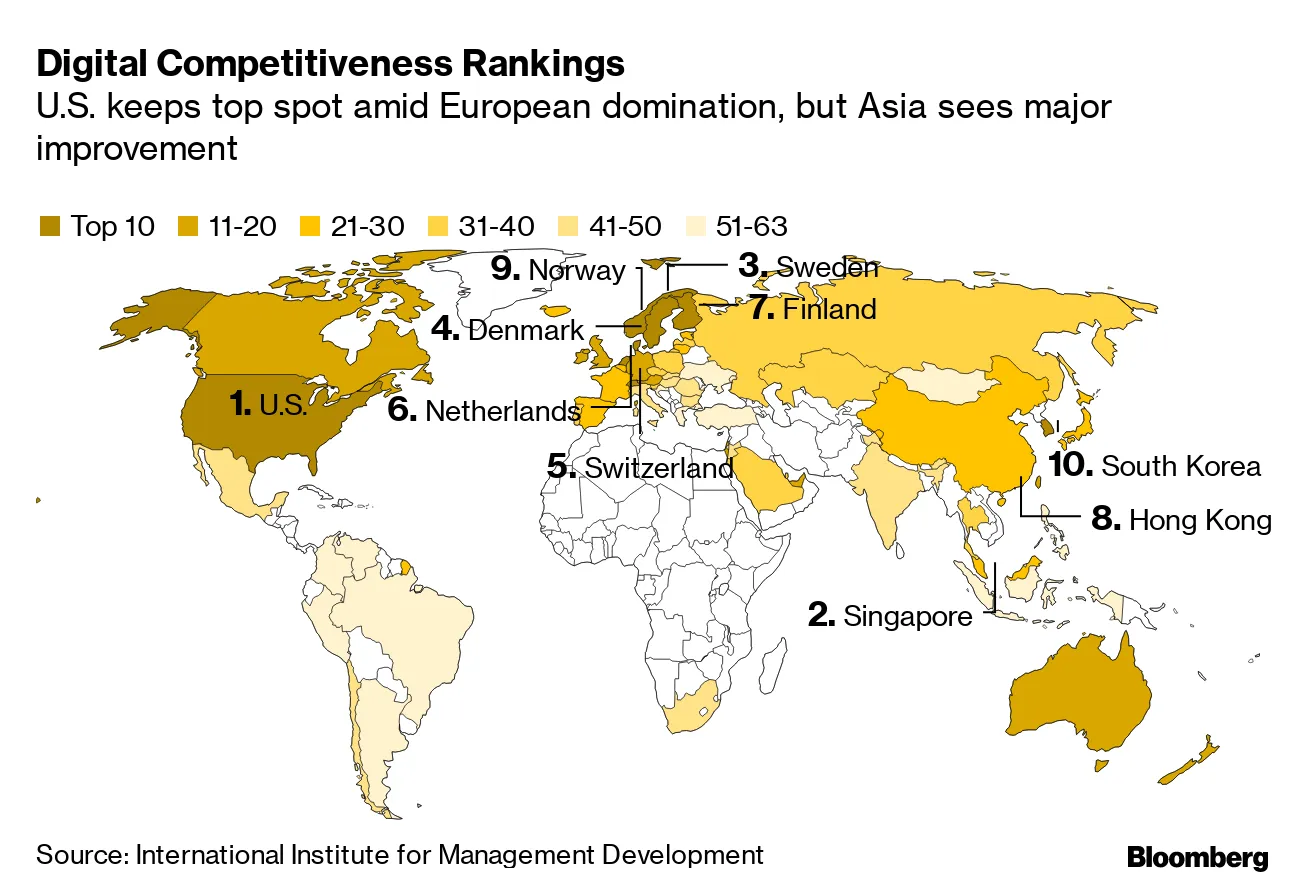

Financial power has always played a central role in geopolitics. Countries compete not only through military strength or economic output but also through control over financial infrastructure.
For example, the U.S. dollar has long dominated global trade and international finance. Many commodities are priced in dollars, and central banks hold large amounts of U.S. currency as reserves.
However, some countries have begun exploring alternatives to reduce dependence on the existing financial system.
In this context, Bitcoin’s decentralized structure presents an intriguing possibility. Because BTC is not controlled by any government, it could theoretically serve as a neutral financial asset in a multipolar world.
If geopolitical tensions continue to reshape global alliances, Bitcoin reserves could become part of broader economic strategies.
The Role of Institutional Adoption



Another factor accelerating the global Bitcoin race is the increasing involvement of large financial institutions.
Over the past several years, major investment firms, hedge funds, and asset managers have begun allocating capital to Bitcoin. The introduction of Bitcoin ETFs and regulated trading products has made it easier for institutions to gain exposure to the asset.
As institutional participation increases, BTC becomes more integrated into the global financial system.
This trend could eventually influence government policy as well. If sovereign wealth funds and central banks begin viewing Bitcoin as a legitimate reserve asset, the geopolitical implications could be significant.
Challenges and Risks


Despite its potential, the idea of governments accumulating Bitcoin reserves remains controversial.
Several challenges still stand in the way of widespread adoption.
First, Bitcoin’s price volatility remains significantly higher than traditional reserve assets such as gold or government bonds. Central banks typically prefer assets that maintain stable value during periods of economic stress.
Second, regulatory frameworks for cryptocurrencies are still evolving in many countries. Governments must determine how digital assets fit within existing financial systems before incorporating them into national strategies.
Finally, geopolitical considerations could complicate adoption. Some governments may view Bitcoin’s decentralized structure as a threat to monetary sovereignty.
What a Global Bitcoin Race Could Look Like


If the concept of national Bitcoin reserves gains traction, the world could see a gradual shift toward a new form of financial competition.
Rather than replacing traditional reserves overnight, BTC might initially serve as a small component of diversified national portfolios.
Countries with strong technology sectors or pro-innovation policies could become early adopters. Smaller economies may experiment with Bitcoin reserves first as a way to differentiate themselves in global finance.
Over time, if the strategy proves successful, larger economies could begin exploring similar approaches.
Such a development would represent a dramatic evolution in the relationship between governments and decentralized technologies.
Final Thoughts
The idea of a global Bitcoin race may still seem speculative today, but history shows that financial systems can change rapidly when new technologies emerge.
Over the past decade, Bitcoin has already transformed from a fringe experiment into a globally recognized digital asset. Institutional investors, technology companies, and policymakers now actively debate its role in the future of money.
Whether governments eventually accumulate BTC reserves remains uncertain. However, the growing intersection between cryptocurrency and geopolitics suggests that digital assets will continue playing an increasingly important role in global economic discussions.
If Bitcoin continues gaining legitimacy as a store of value, the possibility of nations competing to acquire it may move from theory to reality.
In that scenario, the global race for Bitcoin reserves could become one of the defining financial stories of the digital age.