
Introduction: A Quiet Move With Loud Implications
In early 2026, one of the world’s most conservative and influential financial institutions made a move that sent a clear signal across global markets: UBS began offering crypto investment access to select private banking clients.
This wasn’t a flashy announcement or a viral marketing campaign. Instead, it was a carefully controlled rollout—limited, discreet, and tailored to high-net-worth individuals. That approach alone tells us something important: crypto has officially entered the “serious money” phase.
Institutional adoption has been discussed for years, often prematurely. But UBS’s move in 2026 feels different. It reflects not hype, but maturity—both in crypto markets and in the regulatory, custody, and risk-management frameworks surrounding them.
In this article, we’ll explore:
- Why UBS’s crypto offering matters more than similar announcements in the past
- What this signals about institutional confidence in digital assets
- How it could reshape wealth management, market structure, and investor behavior
- What retail investors and crypto-native builders should pay attention to next
Who Is UBS—and Why Its Entry Matters



UBS is not a trend-chasing institution. With trillions of dollars in assets under management and a client base dominated by ultra-high-net-worth individuals, family offices, and institutional investors, UBS has built its reputation on capital preservation first, innovation second.
Historically, banks like UBS avoided crypto for three main reasons:
- Regulatory uncertainty
- Custody and security risks
- Reputational exposure
By 2026, all three of those barriers have materially shifted.
Regulatory clarity has improved across major jurisdictions, institutional-grade custody solutions are now battle-tested, and crypto is no longer seen as a fringe experiment. When UBS moves, it’s because internal risk committees, compliance teams, and regulators are aligned.
That makes this development less about UBS specifically—and more about what it represents.
What Exactly Is UBS Offering Its Clients?
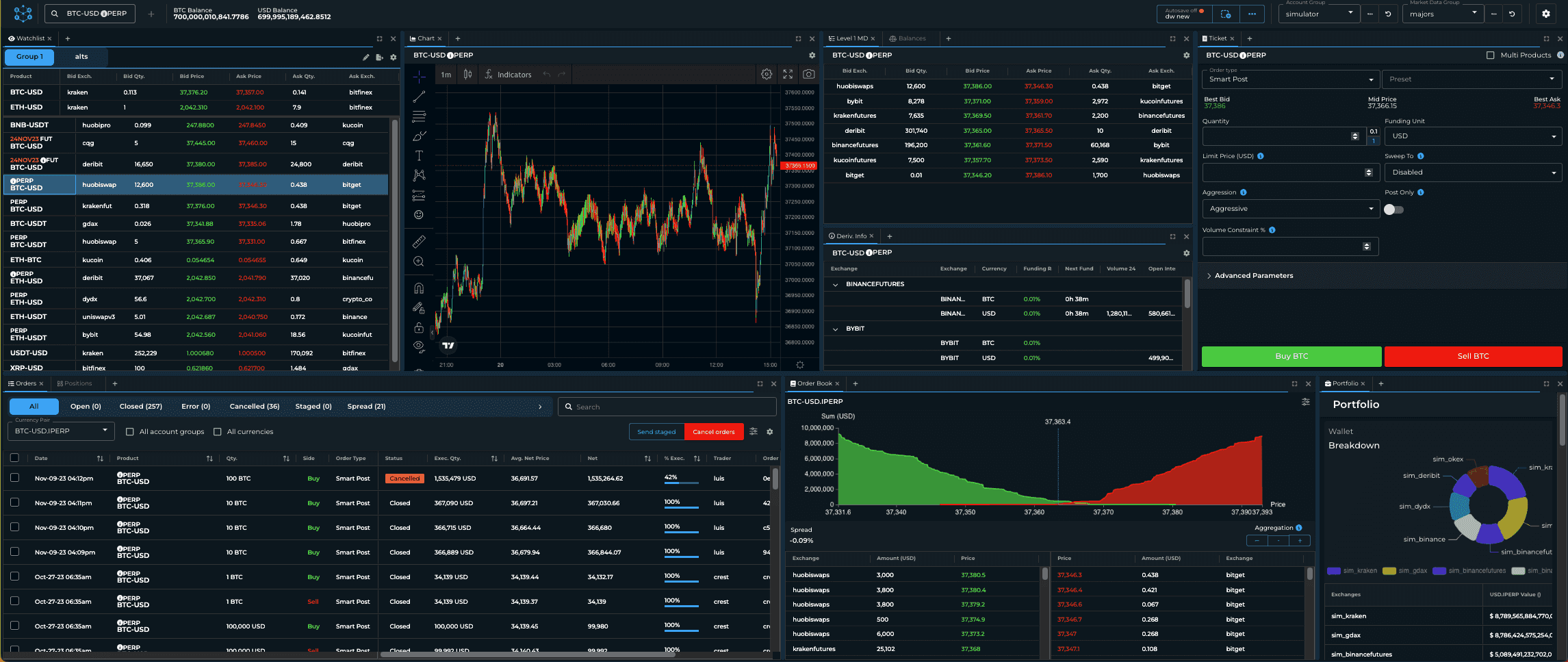


UBS’s crypto exposure is not a retail trading app and not a “buy Dogecoin” moment.
While details vary by region and client profile, the offering generally includes:
- Exposure to major cryptocurrencies, primarily Bitcoin and Ethereum
- Institutional-grade custody, often via regulated third-party providers
- Risk-managed allocation frameworks, integrated into broader portfolios
- Advisory oversight, rather than self-directed speculation
Importantly, this is access, not endorsement. UBS isn’t telling clients crypto will outperform equities. Instead, it’s acknowledging that digital assets have reached a scale where excluding them entirely may itself be a risk.
This subtle distinction is crucial.
Why 2026 Is the Right Time for Institutional Crypto



4
Several macro and market-level factors converged to make 2026 a turning point.
1. Bitcoin Is No Longer a New Asset
Bitcoin has now survived:
- Multiple boom-bust cycles
- Global regulatory crackdowns
- Exchange collapses
- Macroeconomic stress tests
For institutions, longevity matters. Assets that persist for over a decade earn consideration, even if they remain volatile.
2. Infrastructure Finally Caught Up
Custody, insurance, compliance, and settlement layers now resemble traditional finance standards. Banks are no longer forced to “hack together” crypto exposure.
3. Client Demand Became Impossible to Ignore
High-net-worth clients were already accessing crypto elsewhere. UBS offering a regulated, bank-approved channel keeps assets inside the UBS ecosystem rather than losing them to crypto-native platforms.
What This Signals About Institutional Confidence



The most important takeaway from UBS’s move is not the offering itself—it’s confidence.
Institutions don’t need to believe crypto will replace fiat or overthrow central banks. They only need to believe that:
- Crypto will continue to exist
- Liquidity will persist
- Client interest will remain
UBS’s involvement signals that crypto has crossed from speculative anomaly into recognized asset class. That changes how pensions, endowments, insurers, and sovereign funds think about long-term exposure.
Even small allocations—1% to 3%—represent enormous capital inflows at the institutional level.
How This Could Reshape Wealth Management
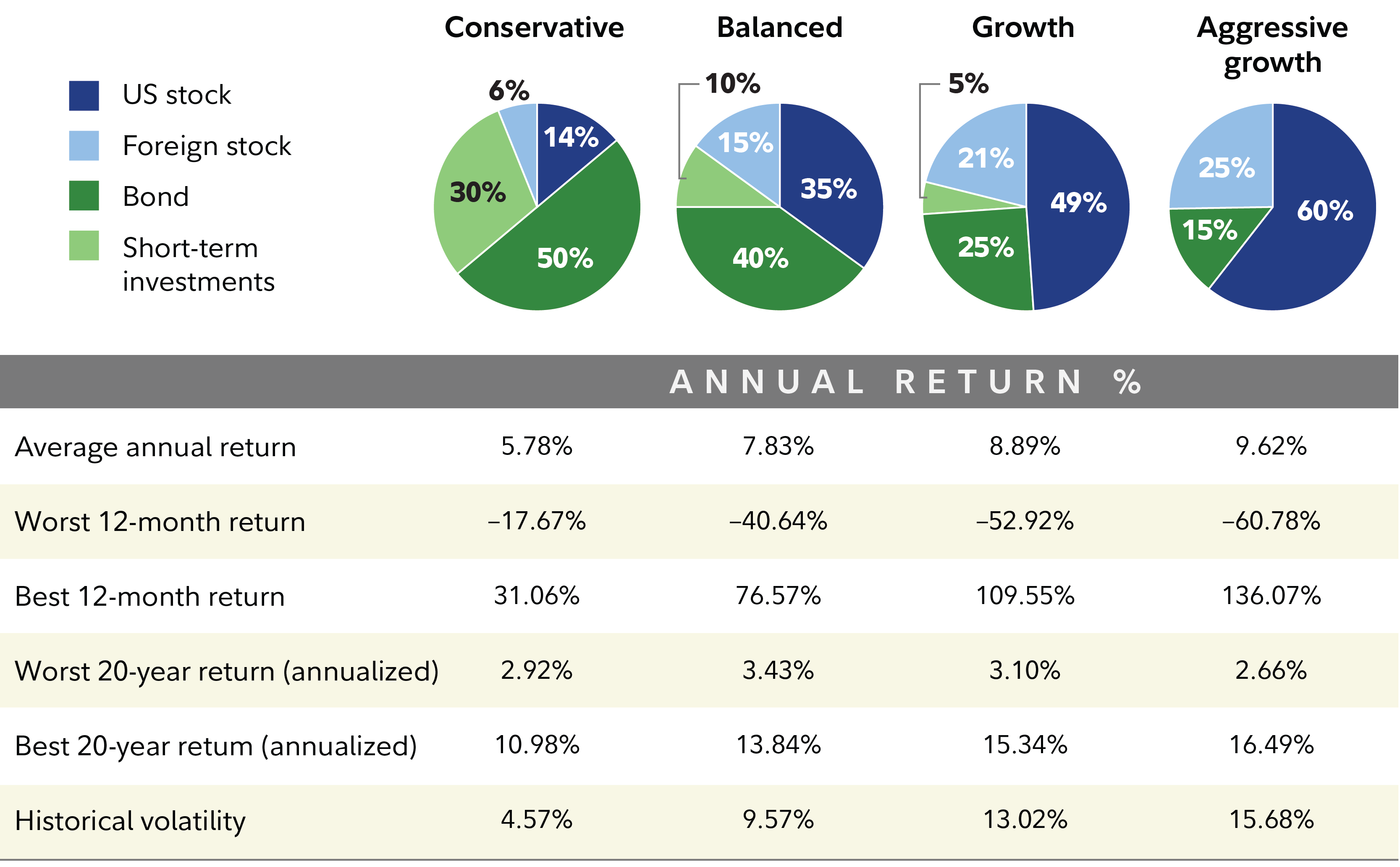


Wealth management is fundamentally about risk-adjusted returns, not moonshots.
Crypto’s role in institutional portfolios is increasingly framed as:
- A non-correlated asset (though imperfectly)
- A hedge against monetary debasement
- A growth allocation alongside private equity and emerging tech
UBS integrating crypto into portfolio construction legitimizes this framing. Over time, we’re likely to see:
- Crypto sleeves in model portfolios
- Structured products tied to digital assets
- Tokenized versions of traditional instruments
This is less about Bitcoin maximalism—and more about financial engineering.
Ripple Effects Across the Crypto Market



4
When institutions enter markets, behavior changes.
Reduced Volatility (Over Time)
Institutional capital tends to be:
- Longer-term
- Less emotional
- Size-constrained by risk models
That doesn’t eliminate volatility, but it dampens extremes.
Increased Liquidity and Market Depth
More capital at scale improves order books, derivatives markets, and price discovery.
Pressure for Transparency
Projects, exchanges, and protocols will increasingly be judged by standards familiar to institutional investors: governance, disclosures, and compliance.
What This Means for Retail Investors

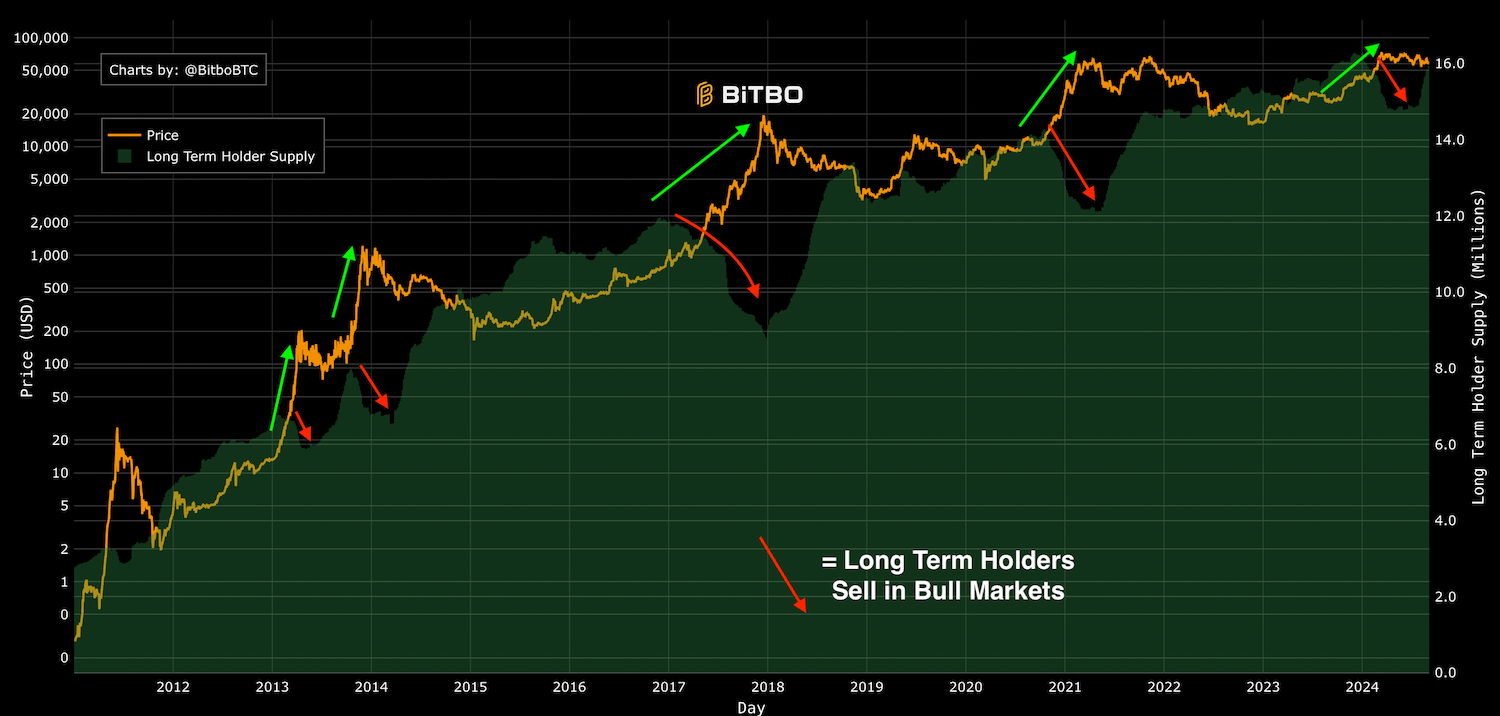

Retail investors often ask: “Is it too late?”
UBS’s move suggests the opposite framing: crypto is early in its institutional lifecycle, even if prices feel high.
However, retail investors should adjust expectations:
- Less explosive upside
- Fewer unsustainable pumps
- More macro-driven price action
The “wild west” era is fading. In its place is a slower, more complex, more regulated market—but also a more durable one.
Risks and Limitations Still Exist


4
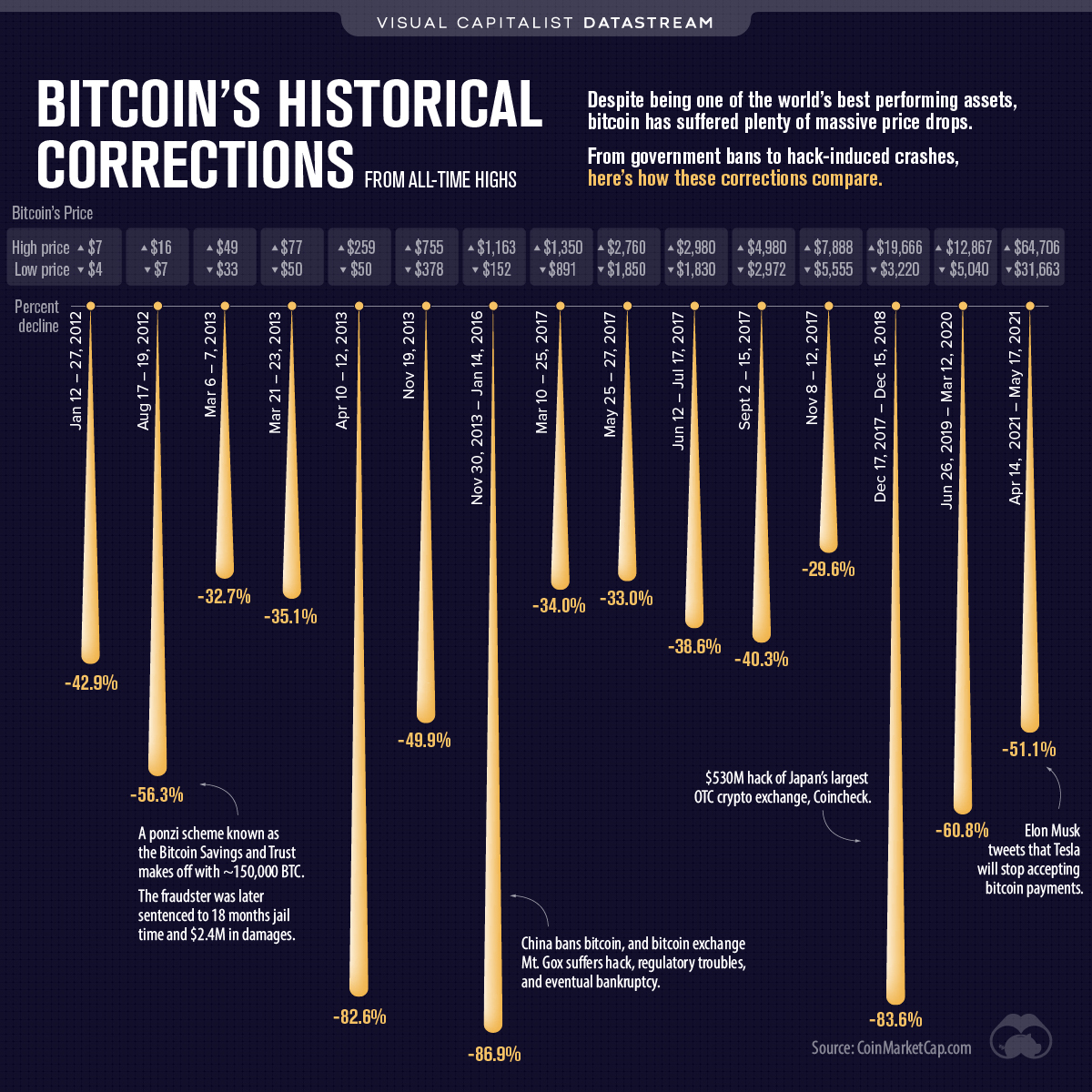
UBS’s entry does not eliminate risks:
- Regulatory shifts can still occur
- Market cycles remain brutal
- Technology and custody risks persist
Banks are offering measured exposure, not blind faith. That caution itself is instructive.
Crypto is being integrated—but on traditional finance’s terms.
The Bigger Picture: A One-Way Door



Once a bank like UBS enters crypto, exiting becomes difficult.
Client expectations change. Competitive pressure builds. Other banks follow. Products evolve. Talent shifts.
This is how financial systems transform—not through revolutions, but through incremental, irreversible steps.
UBS’s crypto offering in 2026 may not dominate headlines, but years from now it may be remembered as one of the moments when crypto quietly became part of the global financial core.
Final Thoughts
UBS didn’t embrace crypto because it’s trendy. It did so because ignoring crypto is now a strategic risk.
For institutions, this is about optionality and relevance.
For crypto, it’s about legitimacy and scale.
For investors, it’s a signal to think longer-term and more structurally.
Crypto didn’t win overnight—but in 2026, it clearly earned a seat at the table.