

Why Passive Income in Crypto Is So Powerful


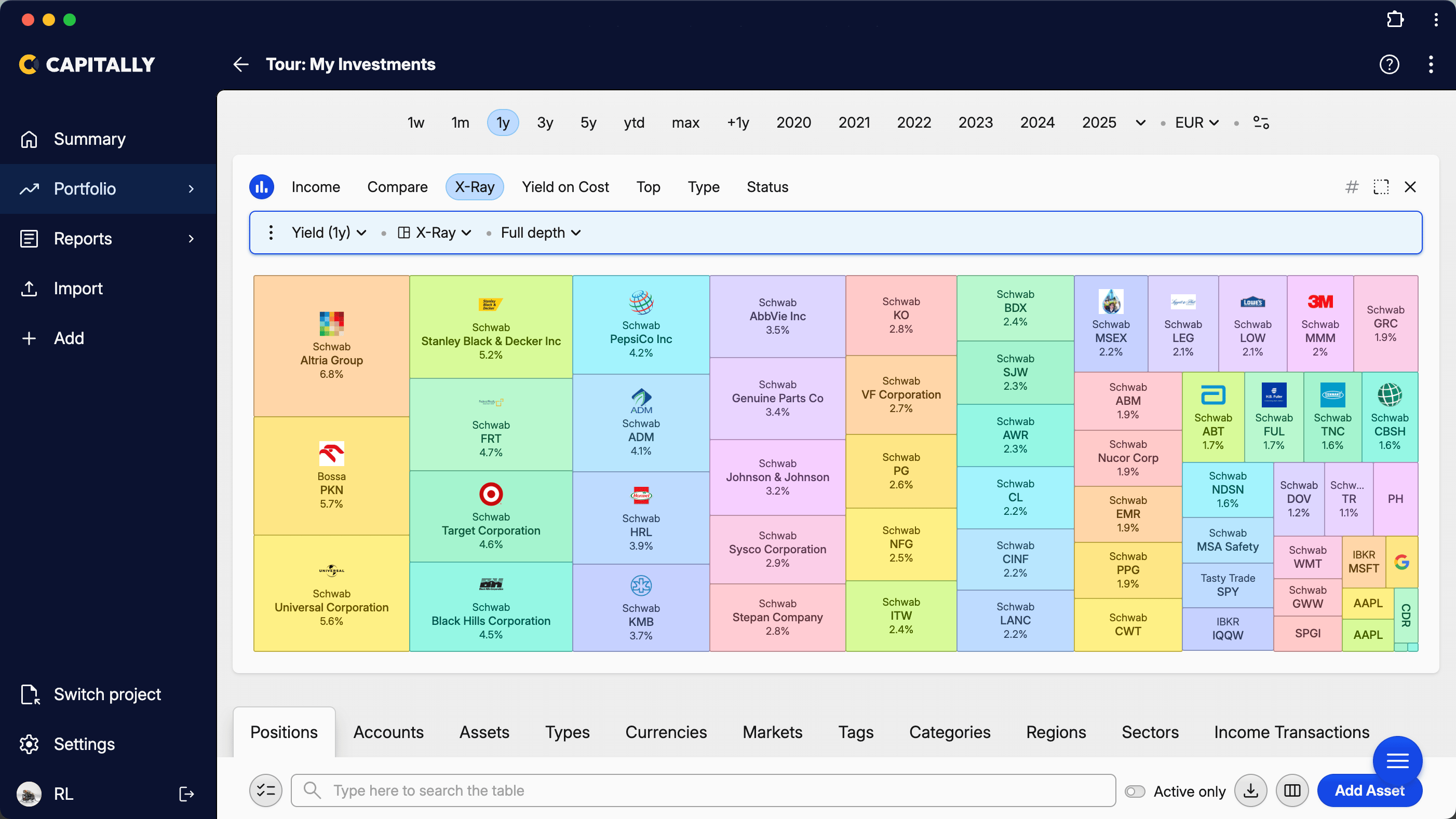
One of the most compelling aspects of crypto investing is the ability to generate passive income. Unlike traditional assets, where income is often limited to dividends or interest, crypto offers a wide range of mechanisms to earn yield on your holdings.
From staking rewards to DeFi strategies, investors can put their assets to work instead of letting them sit idle.
However, with higher potential returns comes higher risk.
Understanding how each method works—and where the risks lie—is essential to building sustainable passive income with crypto.
Below are seven of the most effective strategies used today.
1. Staking Crypto (Earn Rewards for Securing Networks)

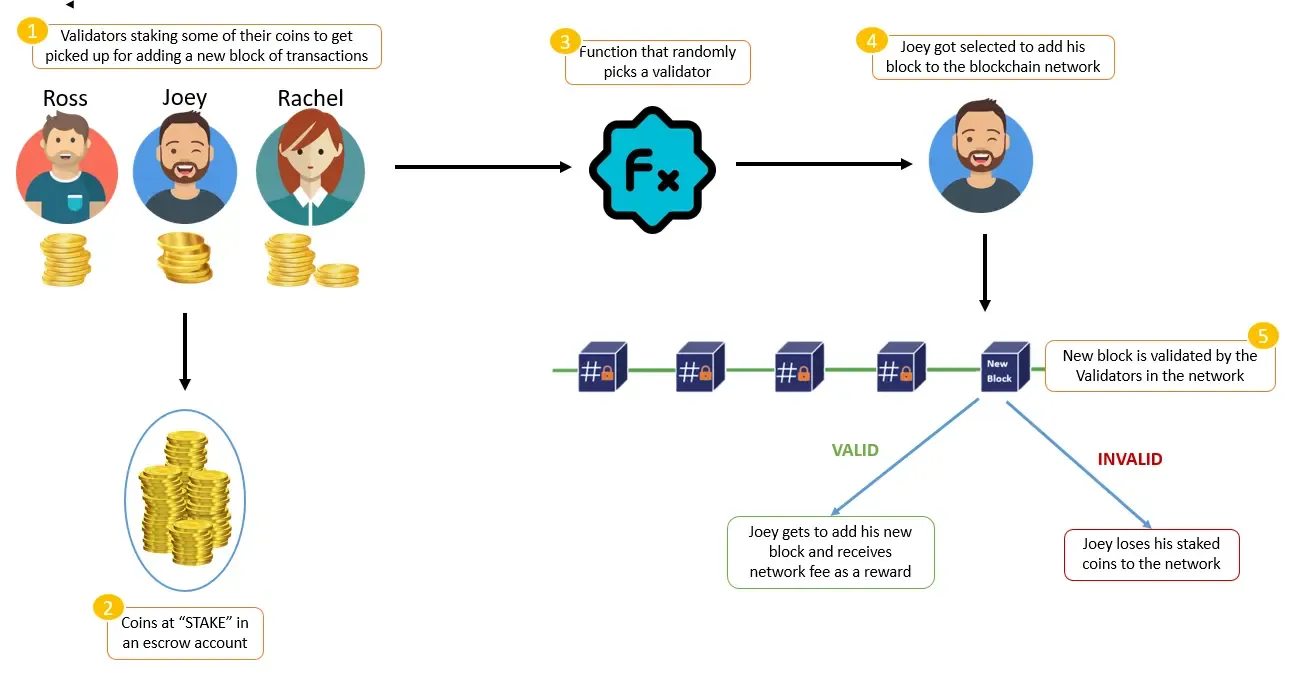
Staking is one of the simplest and most popular ways to earn passive income in crypto.
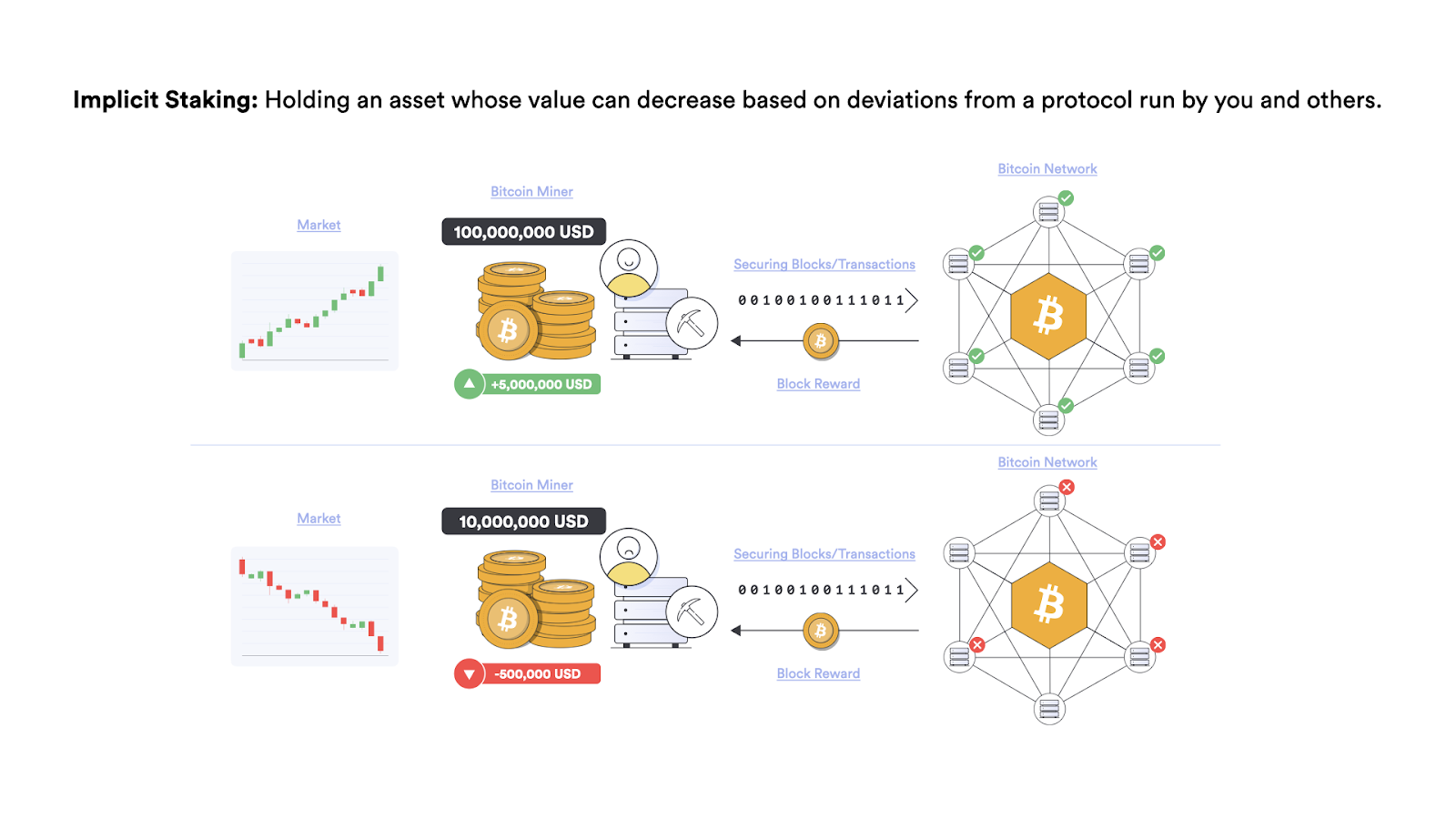
It involves locking up your tokens to help secure a proof-of-stake blockchain, such as Ethereum. In return, you earn rewards.
How It Works:
- You stake tokens (like ETH)
- Validators use them to secure the network
- You receive staking rewards over time
Typical Returns:
- ~3%–6% annually (varies by network)
Pros:
- Relatively low risk compared to other methods
- Predictable returns
- Easy to use through exchanges or wallets
Cons:
- Locked funds (limited liquidity)
- Rewards fluctuate
For beginners, staking crypto is often the best entry point into passive income.
For a beginners getting started guide to earning passive income in crypto, this 9-module $97 course is amazing.

2. Yield Farming in DeFi
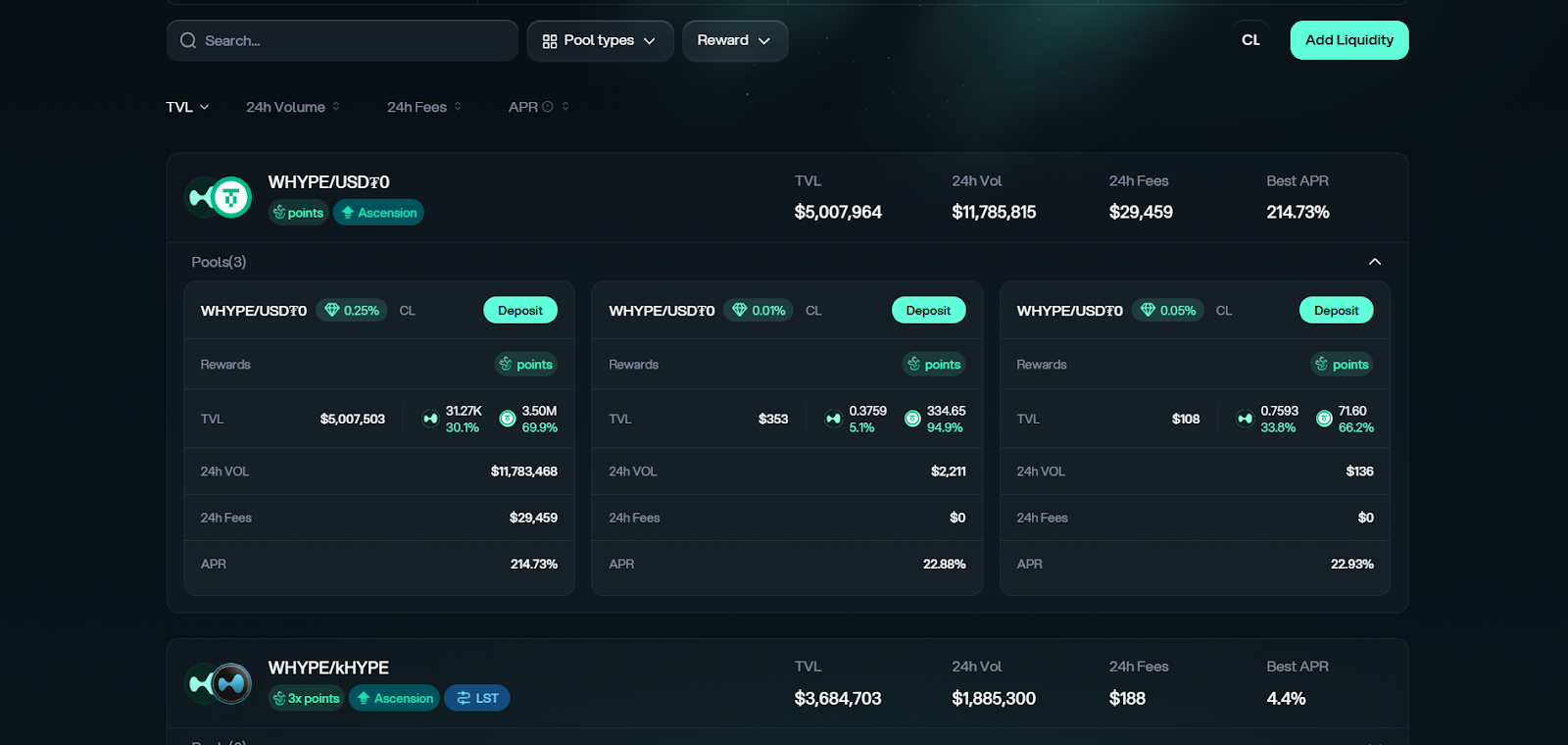
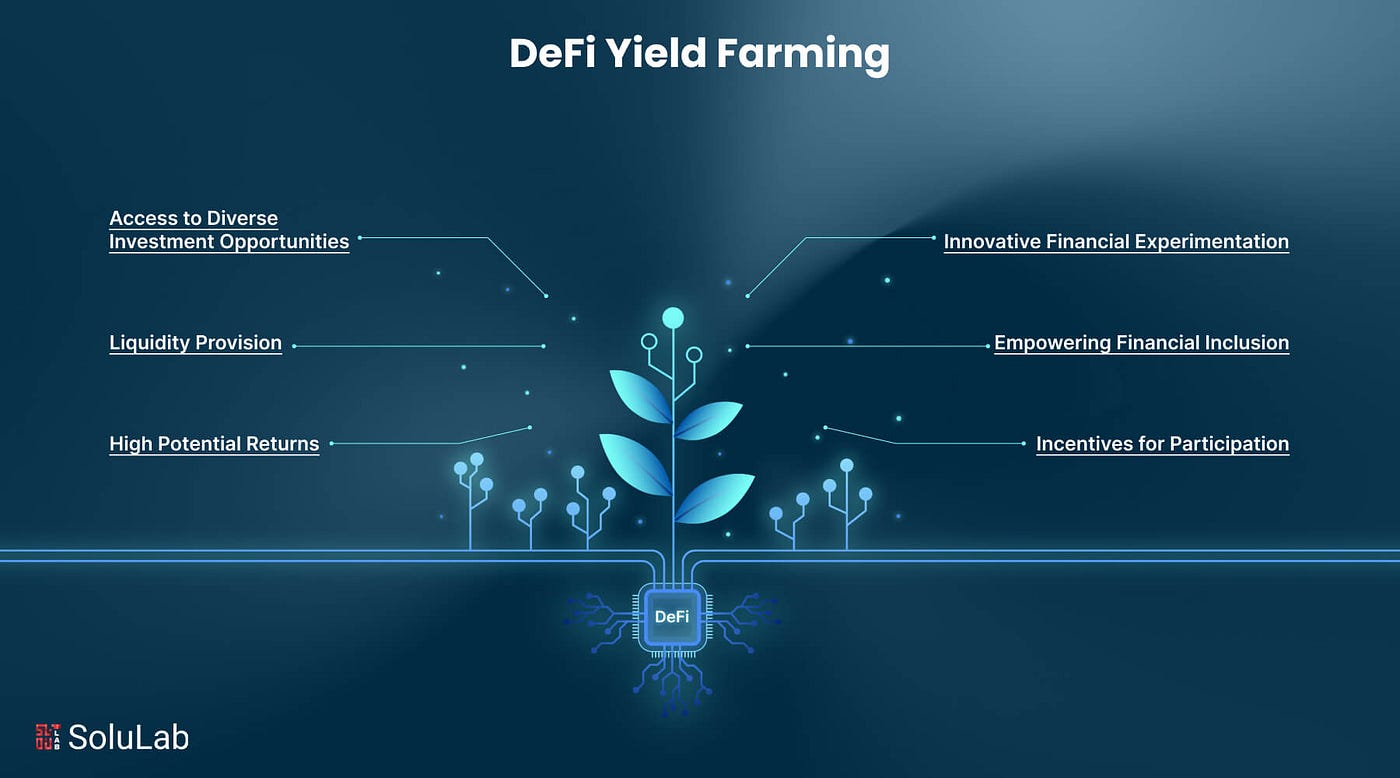

Yield farming allows you to earn rewards by providing liquidity to decentralized finance platforms.
This is where the potential returns become significantly higher—but so does the risk.
How It Works:
- Deposit crypto into a liquidity pool
- Traders use the pool for swaps
- You earn fees + incentives
Typical Returns:
- 5%–100%+ APR (sometimes higher)
Pros:
- High earning potential
- Flexible strategies
- Access to emerging opportunities
Cons:
- Impermanent loss
- Smart contract risk
- Volatility
DeFi yield farming is powerful—but requires careful research.
3. Crypto Lending (Earn Interest Like a Bank)



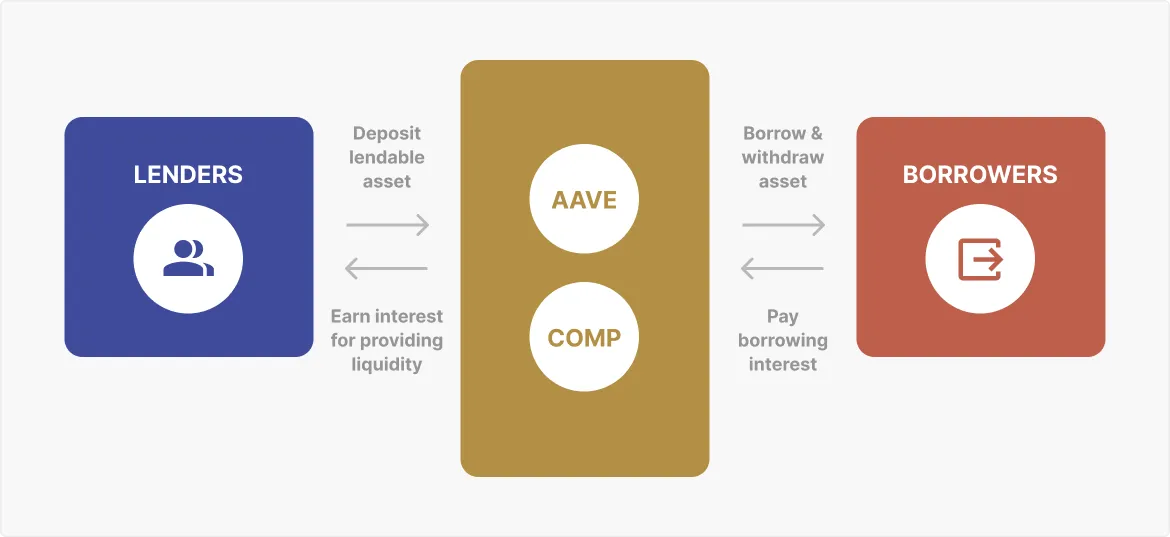
With crypto lending, you can lend your assets to borrowers and earn interest.
This can be done through:
- Centralized platforms
- Decentralized lending protocols
How It Works:
- You deposit crypto (e.g., USDC, ETH)
- Borrowers take loans using collateral
- You earn interest payments
Typical Returns:
- 3%–12% depending on asset
Pros:
- Stable returns (especially with stablecoins)
- Easy to use
- Passive and predictable
Cons:
- Platform risk
- Counterparty risk
Crypto lending is one of the closest equivalents to traditional passive income.
4. Running a Node or Validator

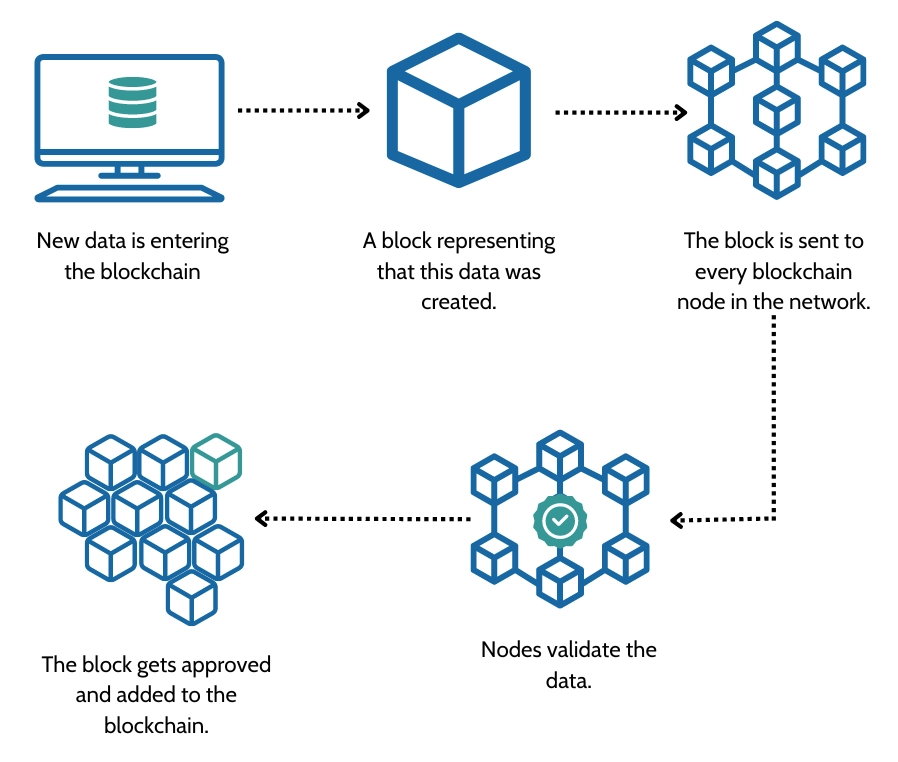
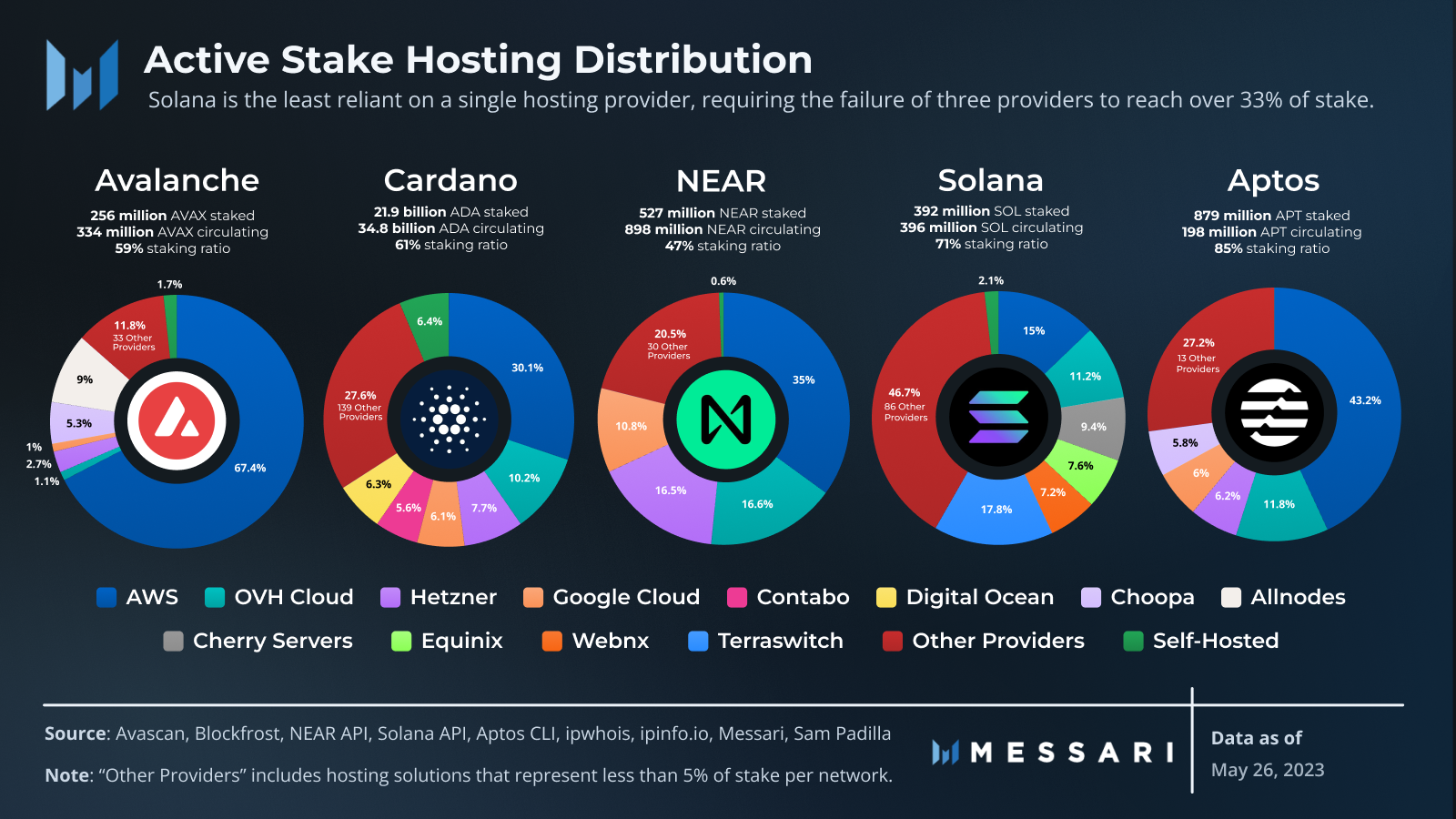
For more advanced users, running a validator node can generate consistent income.
Instead of delegating your tokens, you actively participate in the network.
How It Works:
- Run software that validates transactions
- Earn rewards for maintaining the network
Pros:
- Higher returns than basic staking
- Full control over assets
- Supports decentralization
Cons:
- Technical complexity
- Hardware requirements
- Potential penalties for downtime
Running a node is ideal for those looking to deepen their involvement in blockchain infrastructure.
5. Earning Through Airdrops


Airdrops are one of the most overlooked forms of passive income.
Projects distribute free tokens to early users or active participants.
How It Works:
- Use a protocol early
- Interact with its ecosystem
- Receive tokens when launched
Pros:
- No upfront investment required
- High upside potential
- Rewards early adopters
Cons:
- Not guaranteed
- Time-intensive
- Requires consistent participation
Some of the biggest gains in crypto history have come from airdrop rewards.
6. Liquidity Providing (LPing)
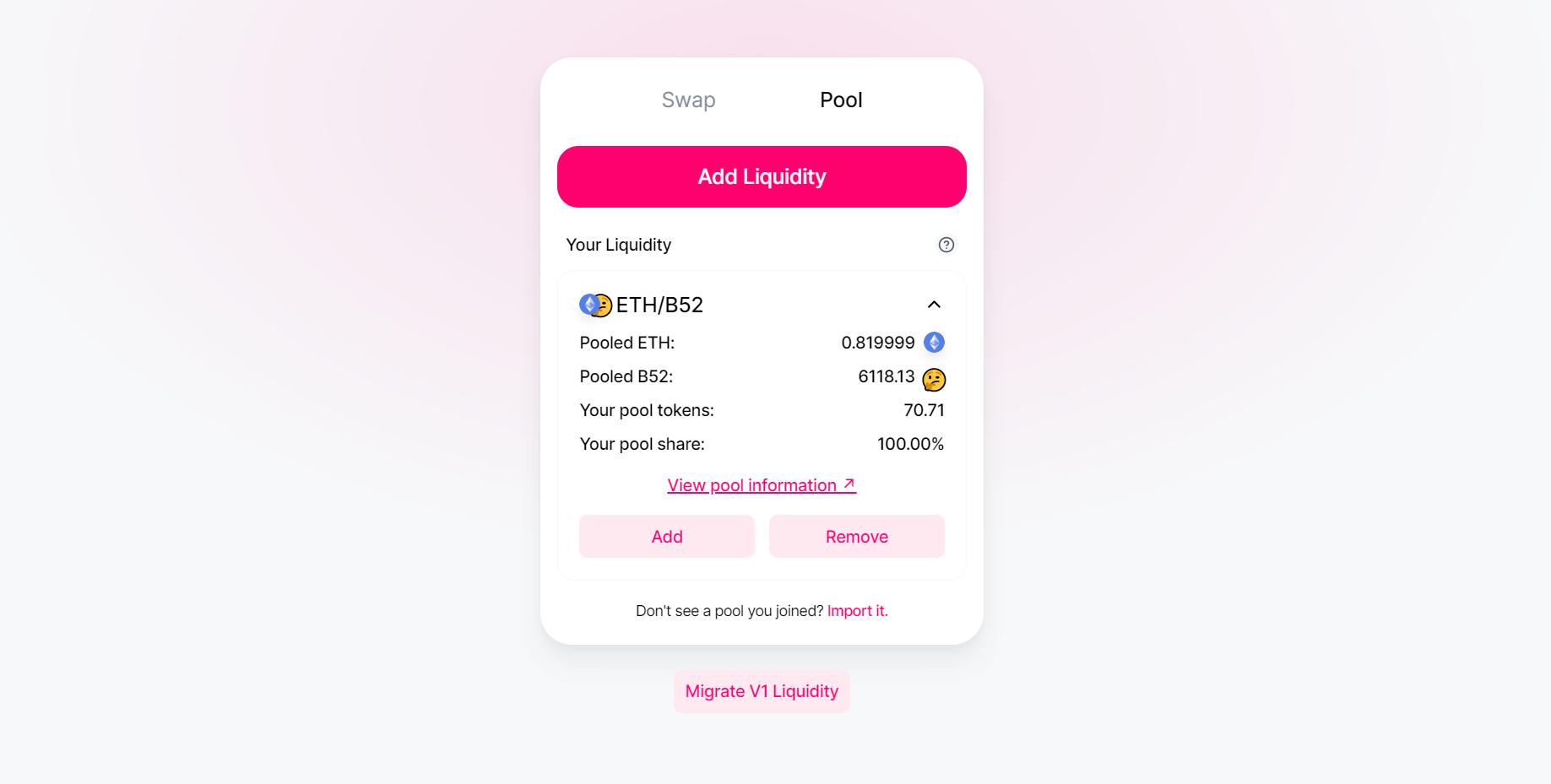

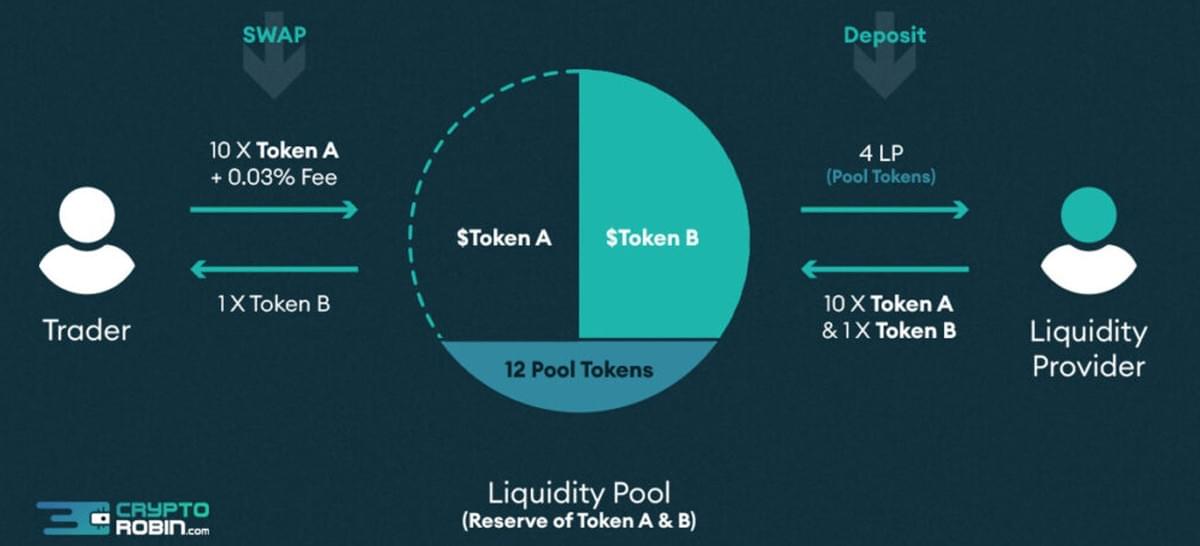
Liquidity providing is closely related to yield farming but deserves its own focus.
By adding funds to a decentralized exchange (DEX), you earn trading fees.
How It Works:
- Deposit token pairs (e.g., ETH/USDC)
- Traders swap assets
- You earn a share of fees
Pros:
- Continuous income from trading activity
- Core part of DeFi ecosystem
Cons:
- Impermanent loss risk
- Exposure to both assets
For active DeFi users, liquidity providing can be a consistent income stream.
7. High-Yield DeFi Strategies (Advanced)
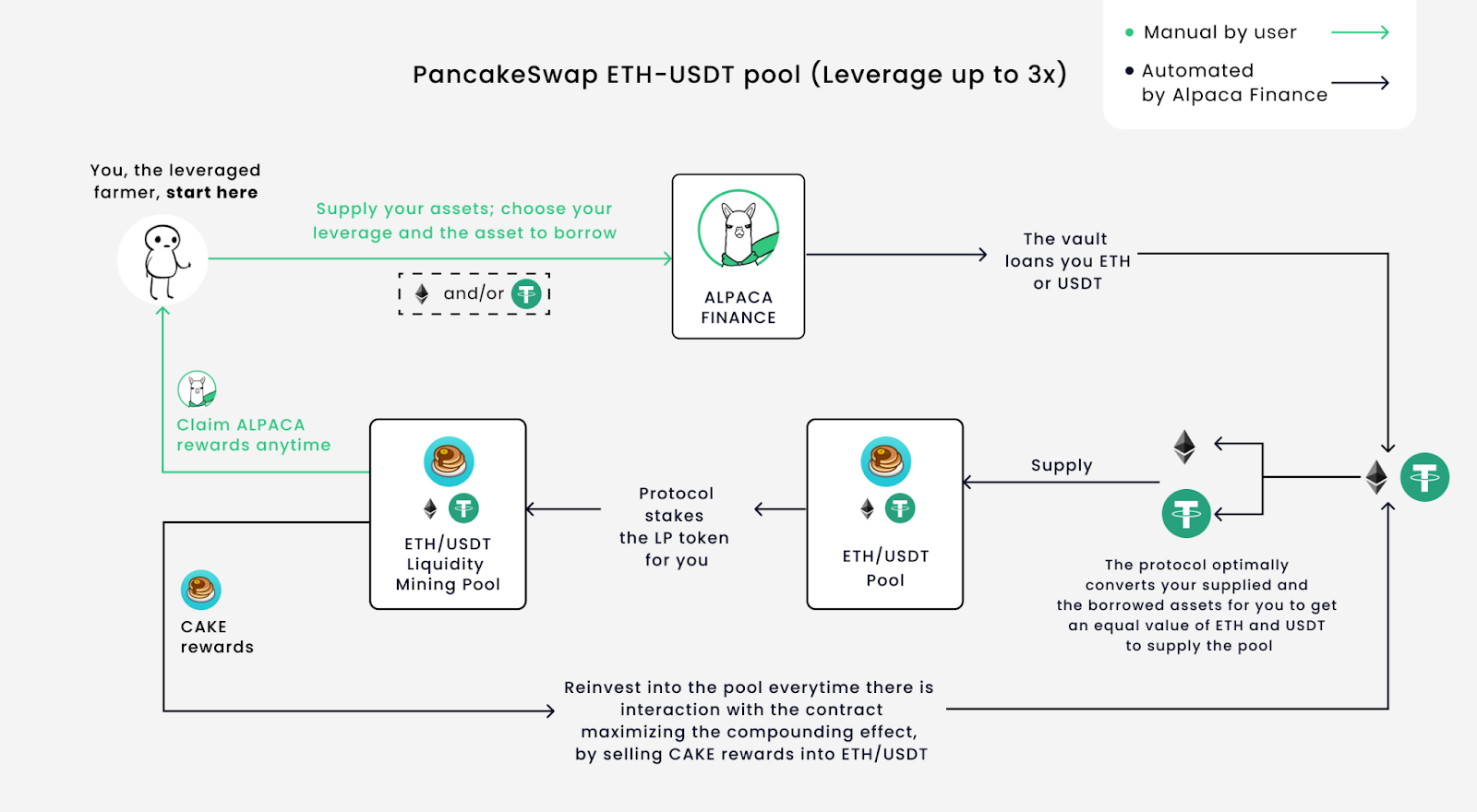
This category includes more complex strategies such as:
- Leveraged yield farming
- Protocol looping
- Structured DeFi products
These strategies can generate extremely high returns—but carry significant risk.
How It Works:
- Combine multiple protocols
- Use leverage or incentives
- Maximize yield across systems
Pros:
- Very high potential returns
- Advanced optimization
Cons:
- High complexity
- Smart contract risk
- Liquidation risk
These strategies are best suited for experienced investors who understand DeFi mechanics deeply.
Key Risks of Passive Income with Crypto



While the opportunities are significant, it’s important to understand the risks.
Major Risks Include:
- Smart contract vulnerabilities
- Market volatility
- Platform failures
- Impermanent loss
- Regulatory uncertainty
The higher the yield, the higher the risk—this principle always applies.
How to Build a Sustainable Crypto Income Strategy
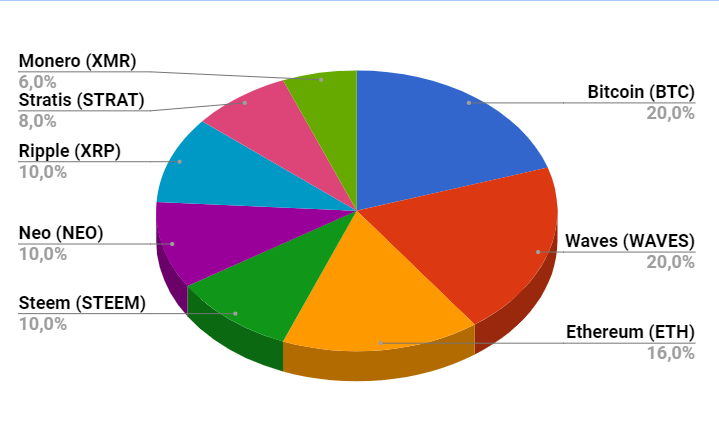
To succeed in earning passive income with crypto, diversification is key.
A balanced strategy might include:
- Staking for stability
- Lending for steady returns
- DeFi for higher yield
Core Principles:
- Don’t chase unrealistic returns
- Spread risk across platforms
- Continuously learn and adapt
Consistency matters more than chasing the highest APR.
Final Thoughts
Crypto offers one of the most dynamic environments for generating passive income—but it requires knowledge, discipline, and risk awareness.
The seven methods covered—staking, yield farming, crypto lending, running nodes, airdrops, liquidity providing, and advanced DeFi strategies—represent the core of today’s earning opportunities.
The key is not to chase every opportunity…
But to build a strategy that balances risk and reward.
Because in crypto, the goal isn’t just to earn yield—
it’s to keep it.