
Crypto markets have always had a complicated relationship with their founders. In traditional equities, insider selling can trigger alarms. In decentralized networks, the optics are even more sensitive. When Vitalik Buterin moves or sells ETH, the market notices.
But here’s the deeper question:
Is this still a founder-driven ecosystem — or has Ethereum reached a level of structural maturity where even its co-founder’s selling is a non-event?
This isn’t just about one transaction. It’s about decentralization, market reflexivity, and whether Ethereum can stand independent of its most recognizable architect.
The Founder Factor in Crypto Markets


In early-stage crypto networks, founders are more than executives — they are philosophical anchors, roadmap stewards, and symbolic trust layers.
Vitalik Buterin
Unlike CEOs of traditional firms, Vitalik does not control Ethereum in a corporate sense. There is no board vote. No equity structure. No earnings calls. Yet the psychological weight he carries is immense.
Why?
Because Ethereum was born in 2015 as a mission-driven protocol. Vitalik’s writings, research threads, and public commentary have shaped the network’s evolution — from proof-of-work to proof-of-stake, from monolithic execution to rollup-centric scaling.
So when he sells ETH, market participants instinctively ask:
- Does he know something we don’t?
- Is he signaling macro risk?
- Is there protocol-level concern?
These reactions are natural — but they may also reveal how far we still have to go in understanding decentralized governance.
Ethereum Is Not a Founder-Led Company

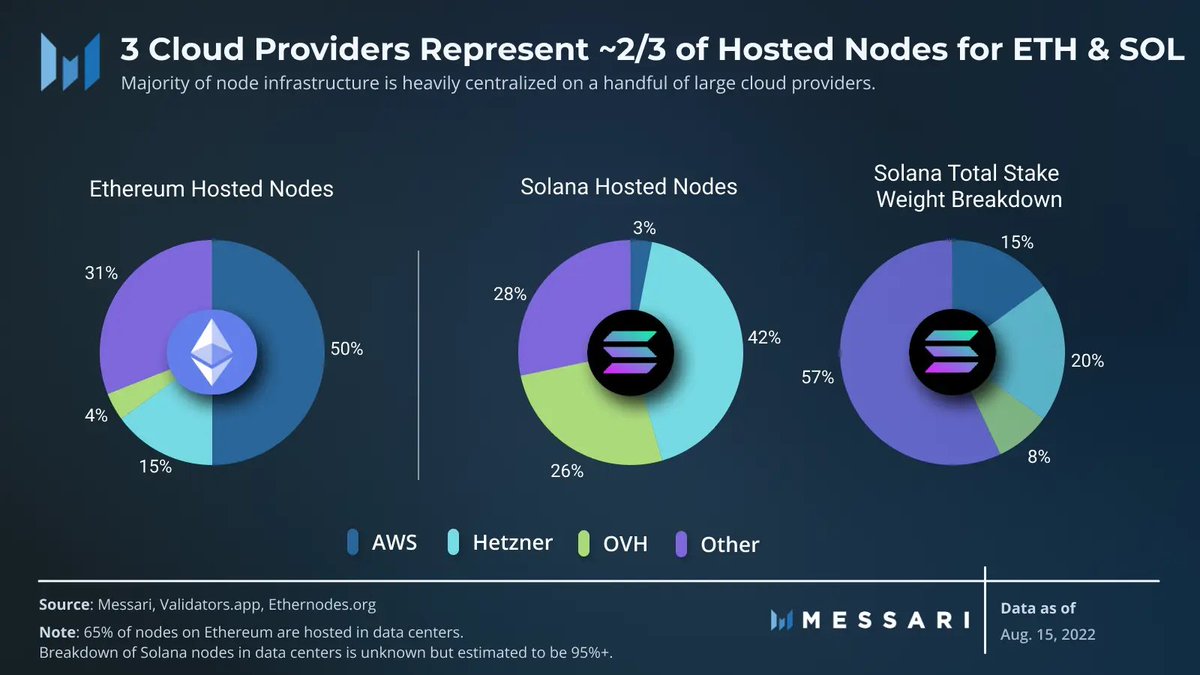
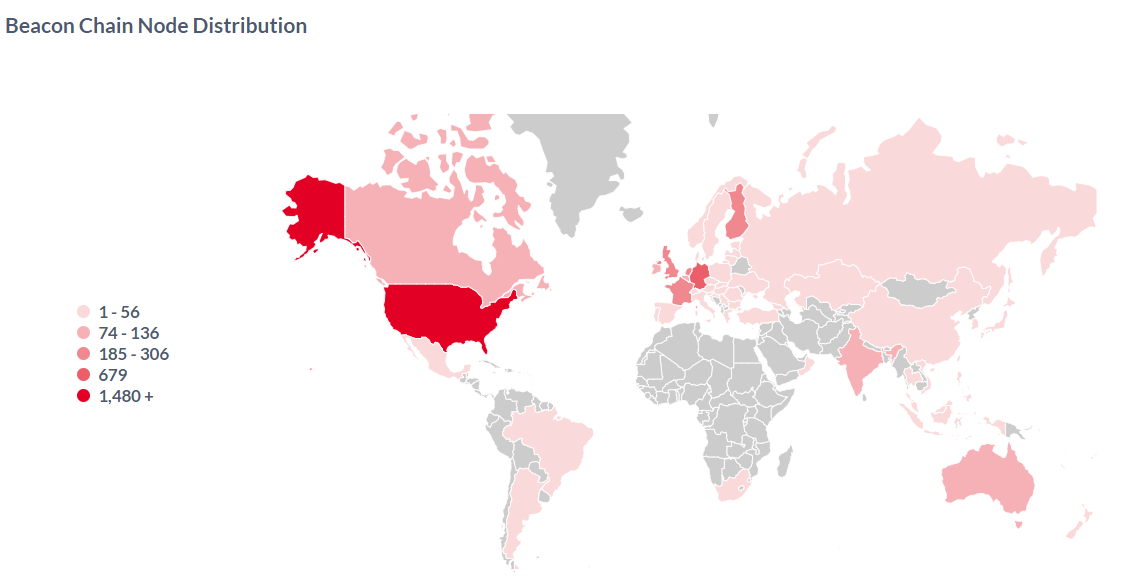
Ethereum today operates under Proof of Stake, with hundreds of thousands of validators securing the network globally. Development is distributed across independent teams. Funding flows through grants, DAOs, venture capital, and ecosystem treasuries.
There is no switch Vitalik can flip.
Even major upgrades — like The Merge — required years of coordination among core developers, researchers, client teams, and validators.
This is the first lens through which to view any founder sell-off:
If Ethereum’s value proposition depends on one individual’s portfolio decisions, then decentralization is incomplete.
If it does not, then the market reaction becomes a behavioral phenomenon — not a fundamental one.
The Optics of Selling vs. the Mechanics of Selling


When a large holder moves ETH, several things matter:
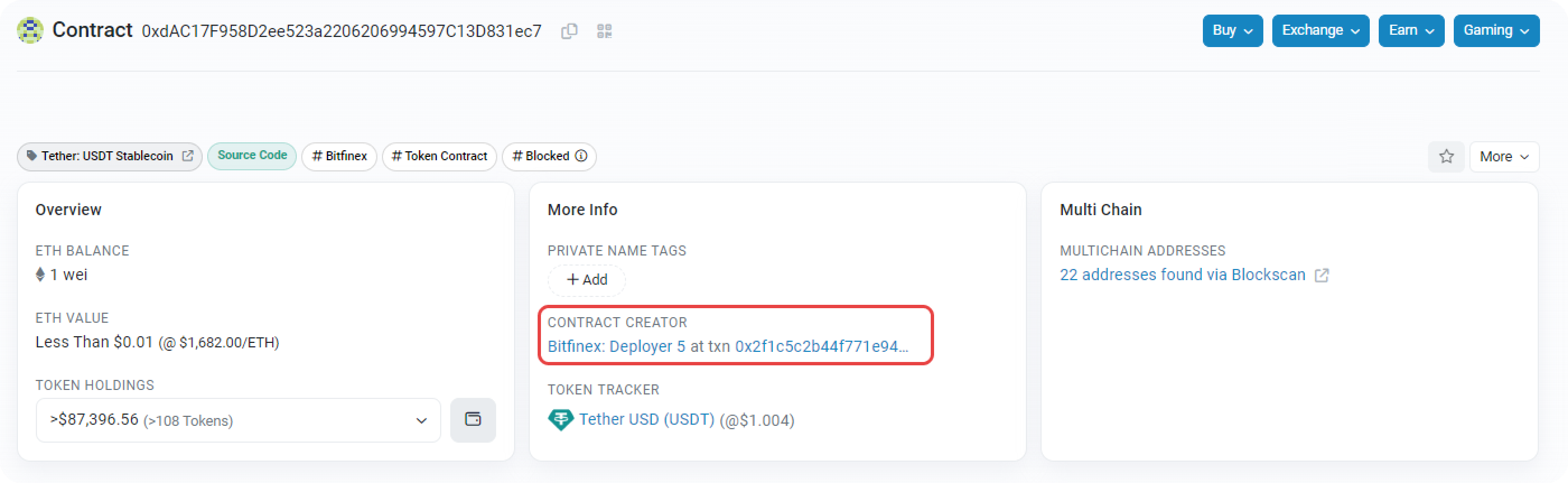
- Was it transferred to an exchange?
- Was it an OTC transaction?
- What percentage of known holdings was sold?
- Over what time horizon?
A headline might scream “Vitalik sells millions in ETH.”
But context matters:
- Relative to total ETH circulating supply
- Relative to daily trading volume
- Relative to historical founder distributions
Ethereum’s daily spot and derivatives volume often reaches billions of dollars. In that context, even multi-million dollar transfers can be liquidity-neutral.
The optics, however, can be amplified by social media.
In crypto, perception frequently outpaces scale.
Reflexivity: Markets React to Meaning, Not Just Data


Crypto markets are highly reflexive.
A founder sells.
Market participants interpret it as bearish.
Price dips.
That dip validates the initial fear.
This is classic reflexivity — popularized by George Soros — but turbocharged in a 24/7, hyper-online asset class.
In Ethereum’s early years, this reflexivity was stronger because:
- Liquidity was thinner.
- Market cap was smaller.
- Founder influence was proportionally larger.
Today, Ethereum sits among the largest digital assets globally. The question is whether reflexivity has weakened as structural depth has grown.
If price impact is muted, that signals maturation.
If volatility spikes disproportionately, that signals lingering centralization of perception.
The Decentralization Test


This is where the thesis sharpens.
A truly decentralized network should meet three criteria:
- Security Independence – No single actor controls validation.
- Development Independence – Multiple teams contribute to protocol evolution.
- Narrative Independence – Market confidence does not hinge on one personality.
Ethereum clearly satisfies the first two more robustly than most chains.
The third is more nuanced.
Narrative independence is psychological. It emerges slowly.
If Vitalik sells and ETH’s long-term trajectory remains intact, then Ethereum is passing its decentralization test.
If sentiment collapses disproportionately, then the founder premium remains embedded in the asset.
Comparing Founder Selling Across Crypto

Across crypto history, founder selling has ranged from routine to catastrophic.
In smaller ecosystems, founder liquidation can:
- Signal internal issues
- Trigger liquidity spirals
- Collapse token confidence
The key difference is structural depth.
Ethereum’s ecosystem includes:
- DeFi protocols with billions in TVL
- Layer 2 rollups scaling execution
- Institutional staking providers
- Deep derivatives markets
This infrastructure creates resilience.
The more economic activity embedded in the network, the less any single wallet movement matters.
Ethereum’s Economic Gravity
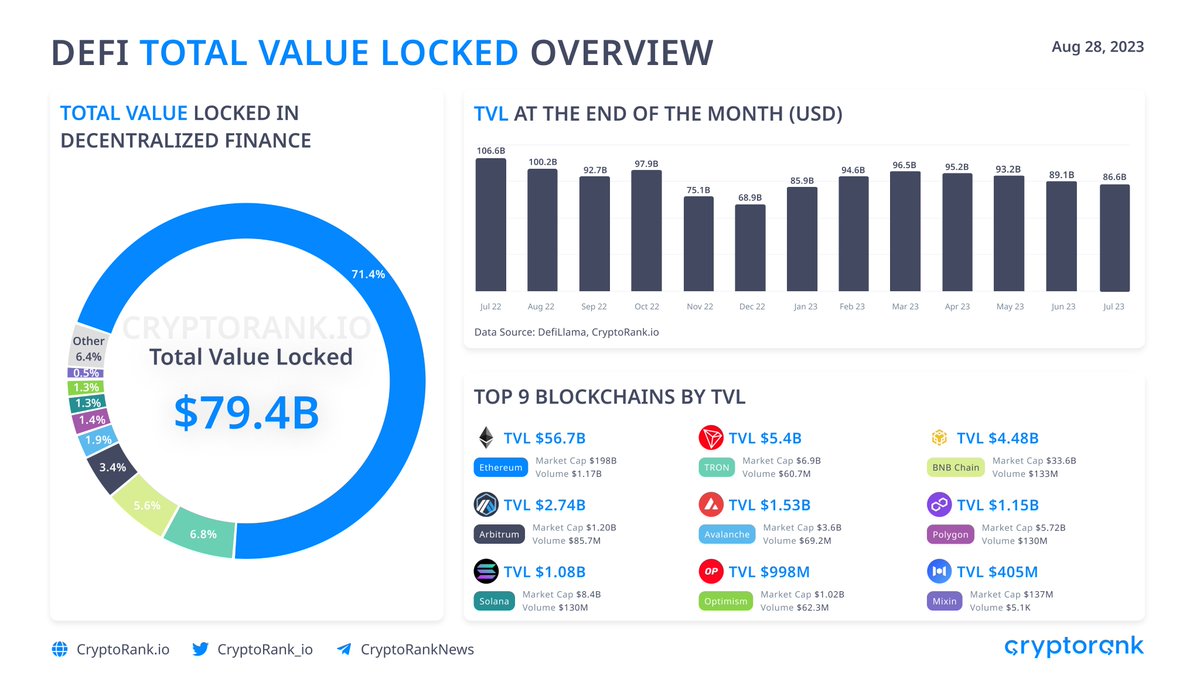

Ethereum is no longer just a smart contract platform. It is:
- A settlement layer for DeFi
- A coordination layer for DAOs
- A data availability layer for rollups
- A yield-bearing asset via staking
This creates what can be called economic gravity.
The more applications, capital, and builders anchored to Ethereum, the less sensitive its valuation becomes to individual actors.
Vitalik’s ETH holdings, while symbolically powerful, are economically marginal relative to the network’s total capital base.
That is not a dismissal — it is a reflection of scale.
Founder Selling and Personal Finance Reality
Another overlooked dimension: founders are human.
Early Ethereum contributors took asymmetric risk in a pre-validated industry. Diversifying holdings is rational portfolio management.
Liquidity events can fund:
- Research grants
- Philanthropy
- Operational expenses
- Personal diversification
Interpreting every sale as a directional macro signal overstates informational content.
In mature asset classes, insider selling is evaluated relative to total holdings and historical patterns. Crypto is slowly learning that discipline.
What Actually Would Matter?
Let’s define what would be structurally concerning:
- Coordinated developer exits
- Validator concentration spikes
- Governance capture
- Core roadmap abandonment
A single founder sale does not meet those thresholds.
If anything, the more uneventful the market reaction, the more Ethereum demonstrates resilience.
A Market Maturity Signal



Market maturity can be measured by:
- Depth of liquidity
- Institutional participation
- Derivatives hedging capacity
- Reduced sensitivity to individual actors
If Ethereum absorbs founder selling without structural damage, it signals institutional-grade depth.
That is bullish long term.
It suggests ETH is transitioning from narrative-driven speculation toward macro-integrated digital commodity status.
The Psychological Shift
For many early ETH holders, Vitalik represents ideological continuity.
But decentralization requires psychological detachment.
Bitcoin survived Satoshi’s disappearance because no personality remained to anchor sentiment.
Ethereum’s path is different — Vitalik is present, visible, and active.
The test is whether the network’s legitimacy stands independent of him.
The moment founder actions no longer dominate discourse is the moment decentralization becomes culturally complete.
So, Does It Matter?
For short-term traders, yes — volatility can follow narrative shocks.
For long-term participants evaluating Ethereum’s structural durability, probably not.
If ETH’s:
- Staking participation remains stable
- Developer activity remains high
- Layer 2 adoption grows
- On-chain usage trends upward
Then founder selling becomes noise.
And noise, over time, gets arbitraged away.
The Bigger Takeaway
The real story is not whether Vitalik sold.
It is whether the market still cares.
If Ethereum continues to grow despite founder portfolio movements, then it has crossed an invisible threshold:
From founder-influenced network
To self-sustaining digital infrastructure
That transition marks the difference between an experimental protocol and a foundational layer of the internet economy.
Final Thought: Decentralization Is a Process, Not a Checkbox
Ethereum’s decentralization was never a binary state.
It is iterative.
Each upgrade, each validator addition, each new Layer 2, each independent research team strengthens it.
If founder selling feels dramatic, it reveals where sentiment still anchors.
If it feels routine, Ethereum has matured.
The next time headlines flash about Vitalik Buterin moving ETH, ask a different question:
Not “Is this bearish?”
But:
“Does Ethereum even need him anymore?”
The more the answer becomes “no,” the stronger the network truly is.