
What Is Akash Network (AKT)?

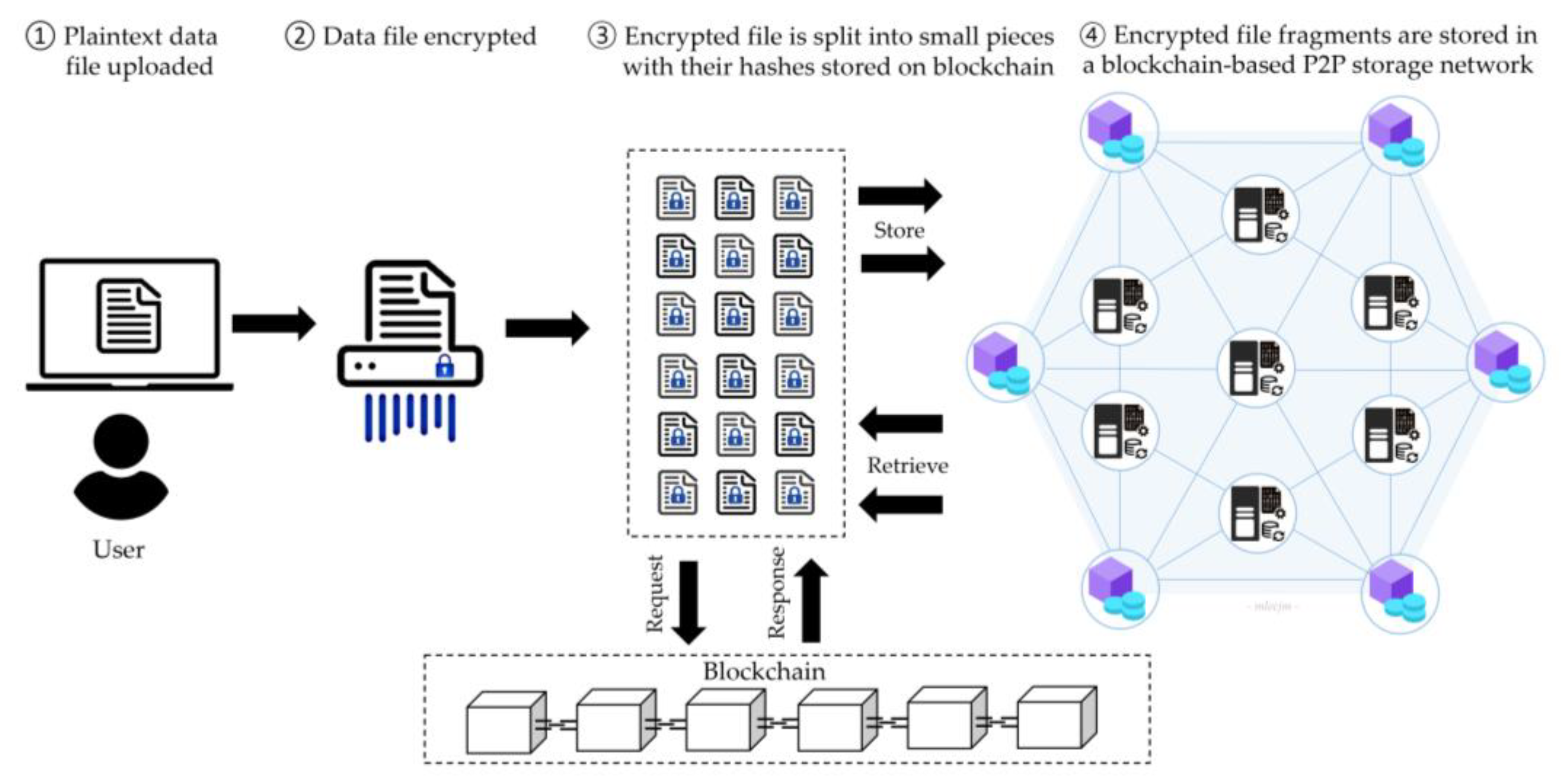
Akash Network (AKT) is a decentralized cloud computing platform that allows users to deploy applications and access computing resources without relying on traditional providers like AWS or Google Cloud.
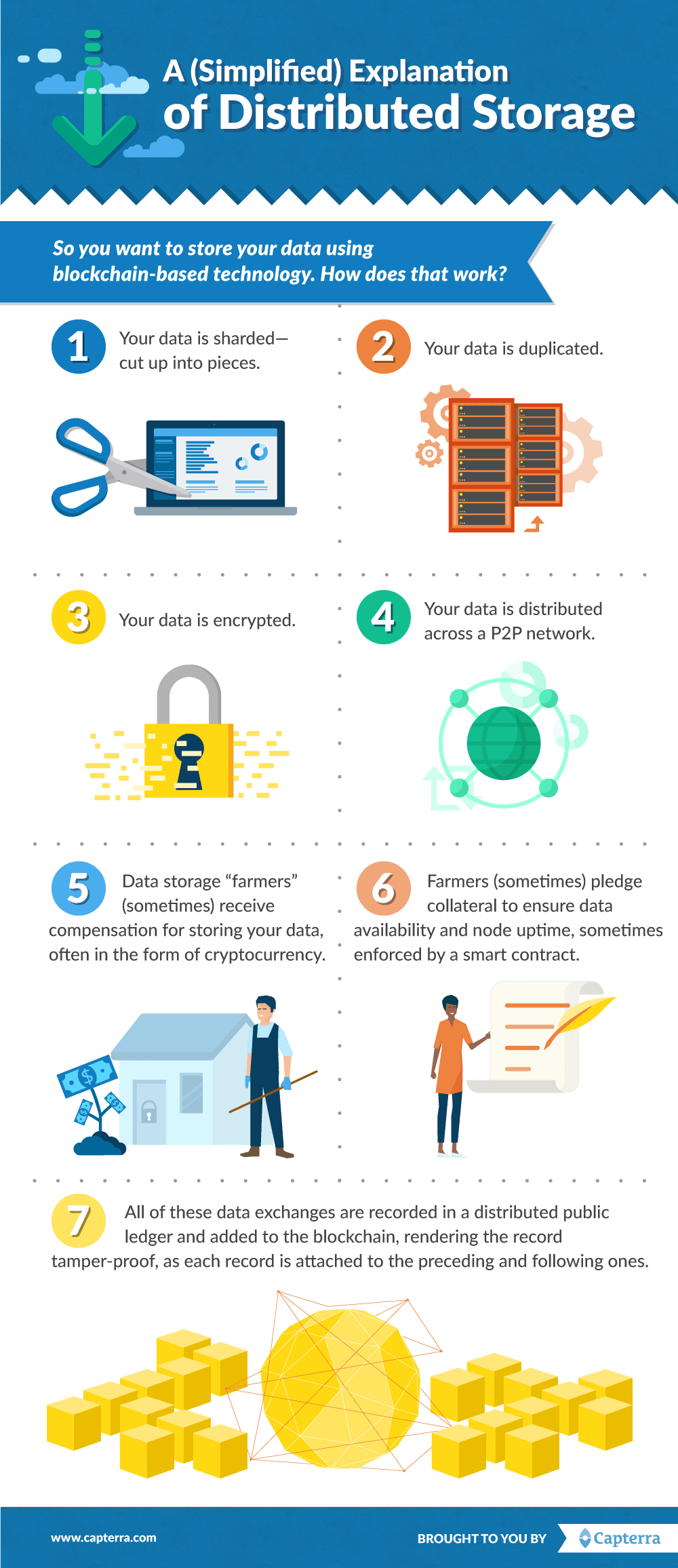
Instead of centralized data centers, Akash Network connects a global marketplace of providers offering unused computing capacity.
In simple terms:
👉 Akash is a decentralized alternative to cloud computing platforms.
It enables developers and businesses to:
- Deploy applications
- Access compute power
- Scale infrastructure
- Reduce costs
All while maintaining a permissionless and decentralized system.
How Akash Network Works

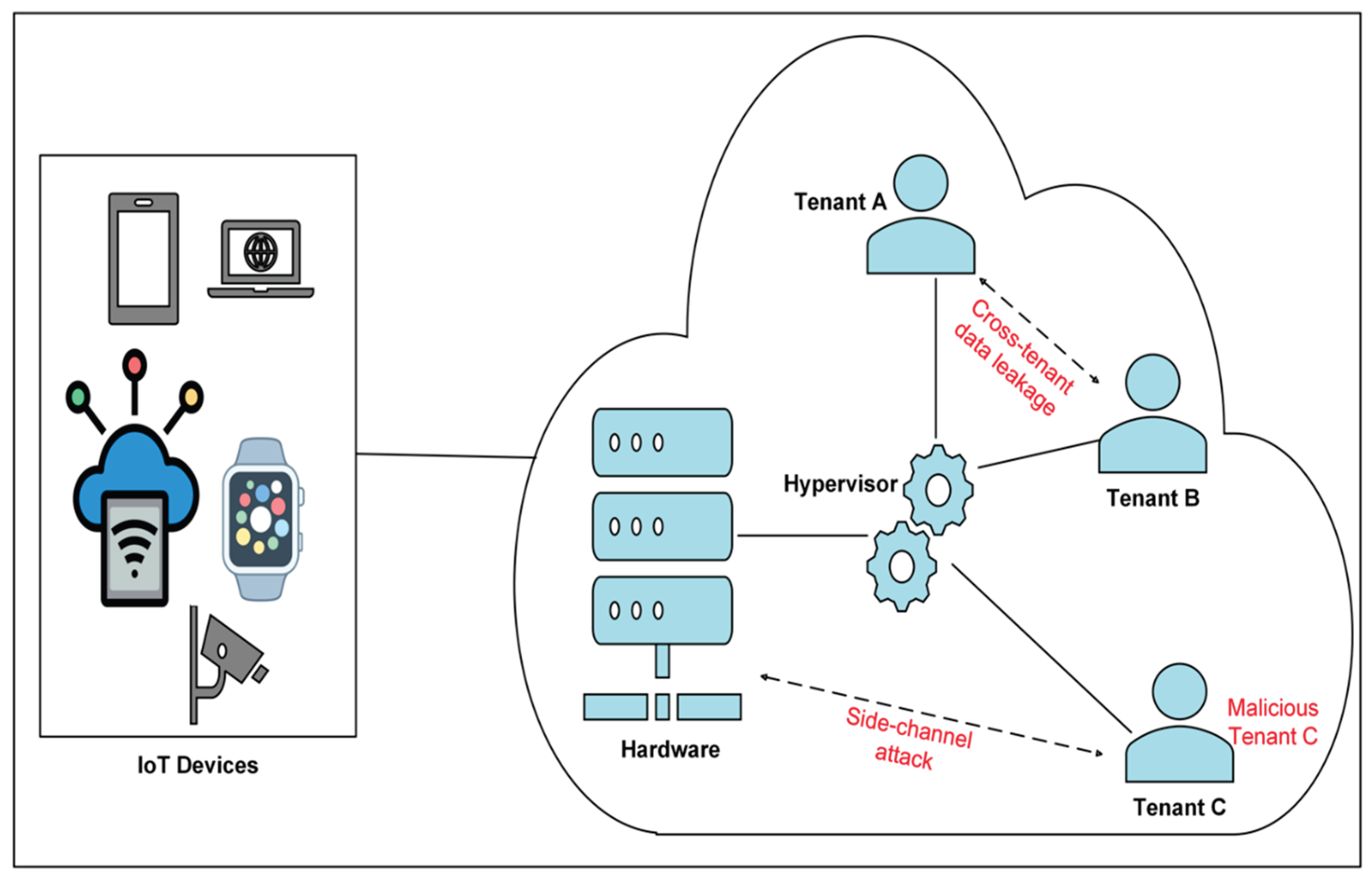
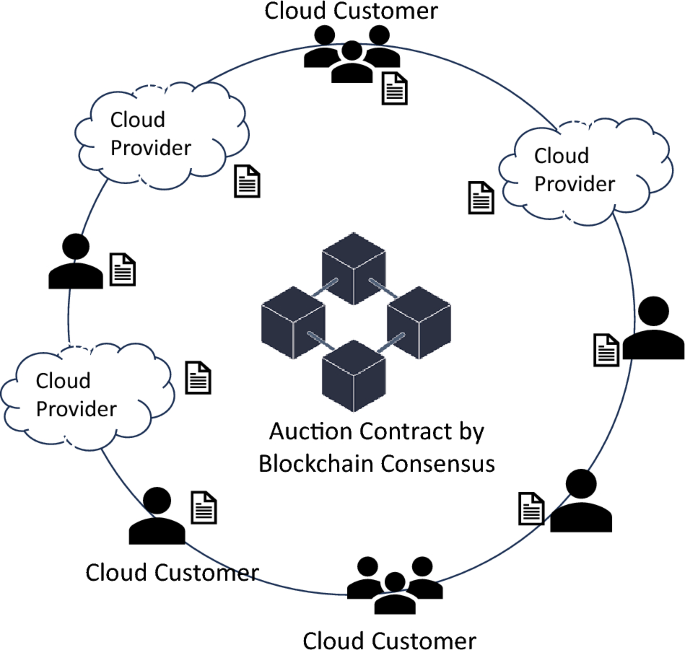
The Akash Network operates as a marketplace between:
1. Providers
Entities that offer unused compute resources
2. Tenants
Users who need cloud infrastructure
Step-by-Step Process:
- A tenant requests compute resources
- Providers bid to offer services
- The lowest or most competitive bid is selected
- The application is deployed
- Payments are made in AKT tokens
This creates a decentralized system where supply and demand determine pricing—often making it cheaper than traditional cloud services.
Why Decentralized Cloud Computing Matters
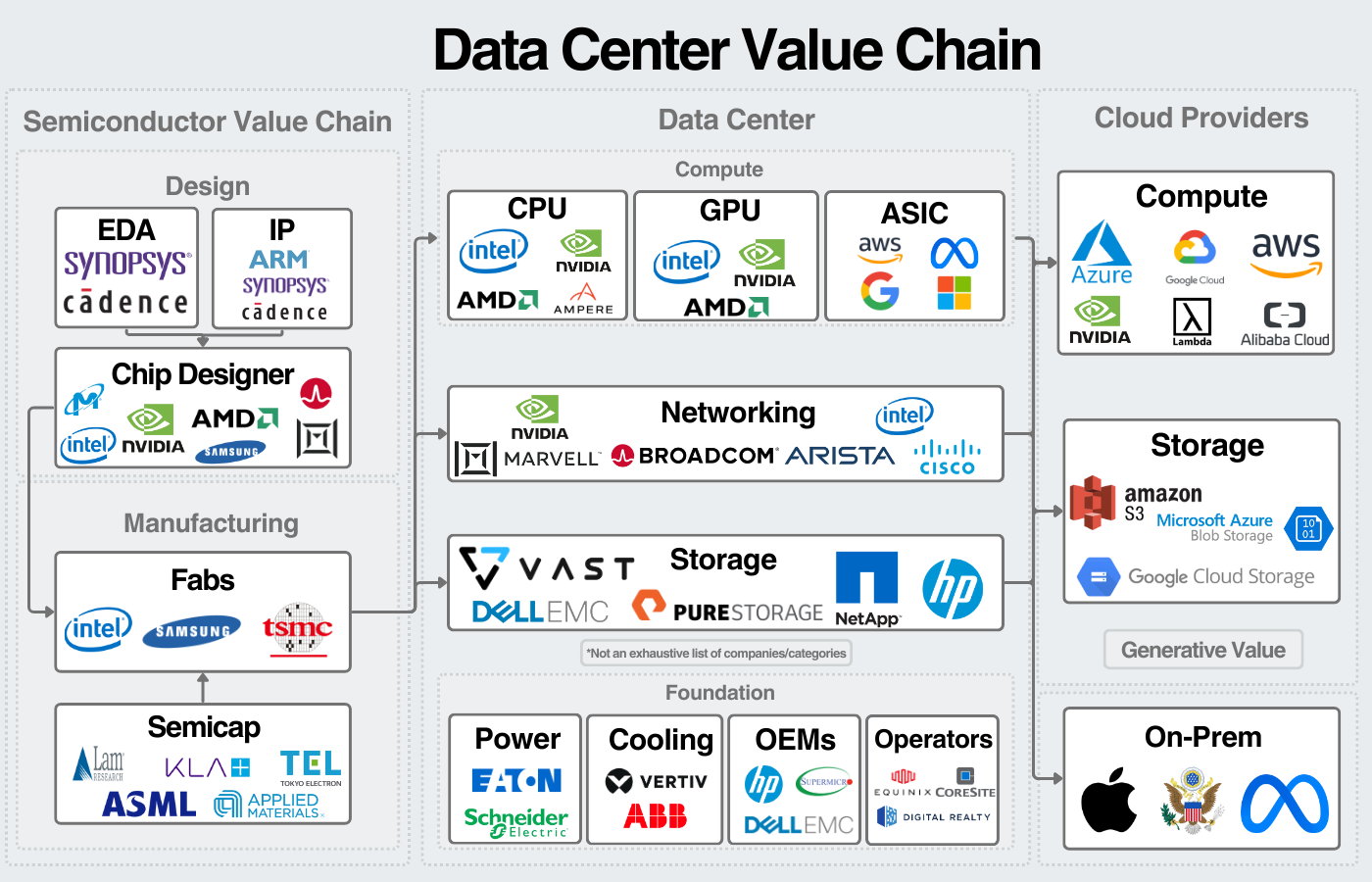

Cloud computing is one of the most important layers of the modern internet.
But today, it is dominated by a few centralized companies.
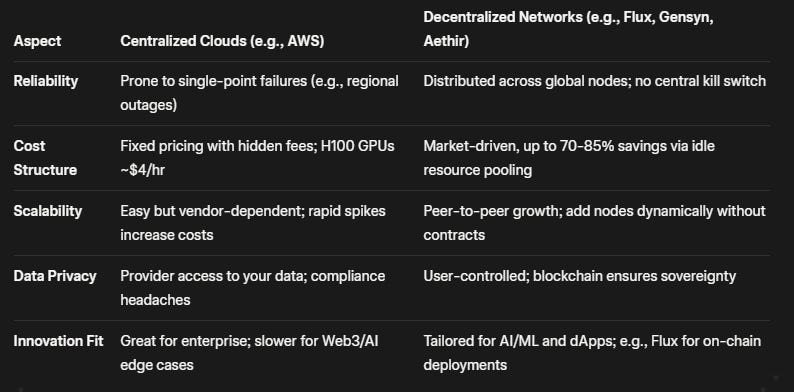
Problems with Traditional Cloud Providers:
- High costs
- Centralized control
- Limited flexibility
- Vendor lock-in
How Akash Network Solves This:
- Open marketplace for compute
- Lower costs through competition
- Decentralized infrastructure
- Greater accessibility
As demand for computing grows—especially with AI—these advantages become increasingly important.
The Role of Akash (AKT) in AI Infrastructure
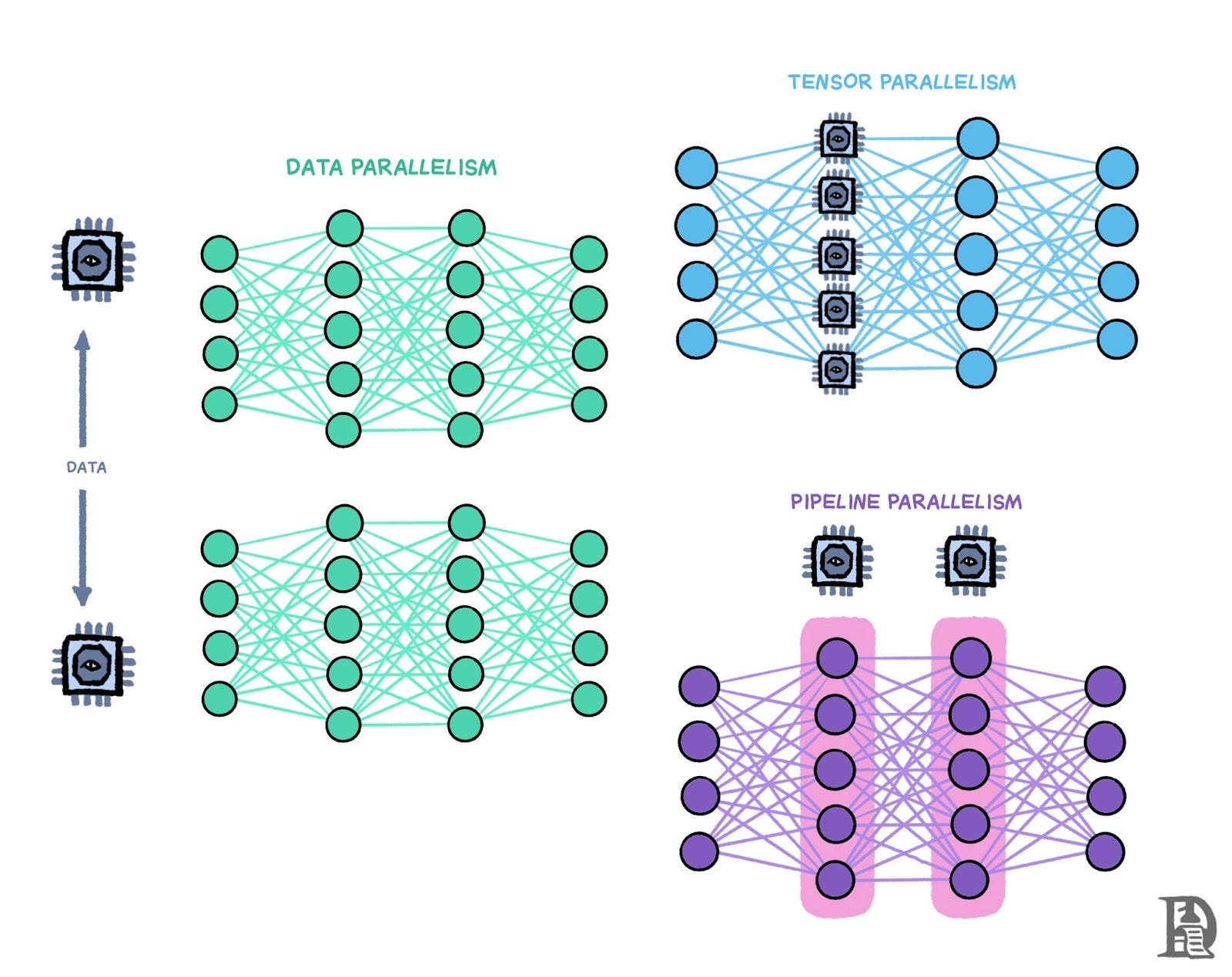
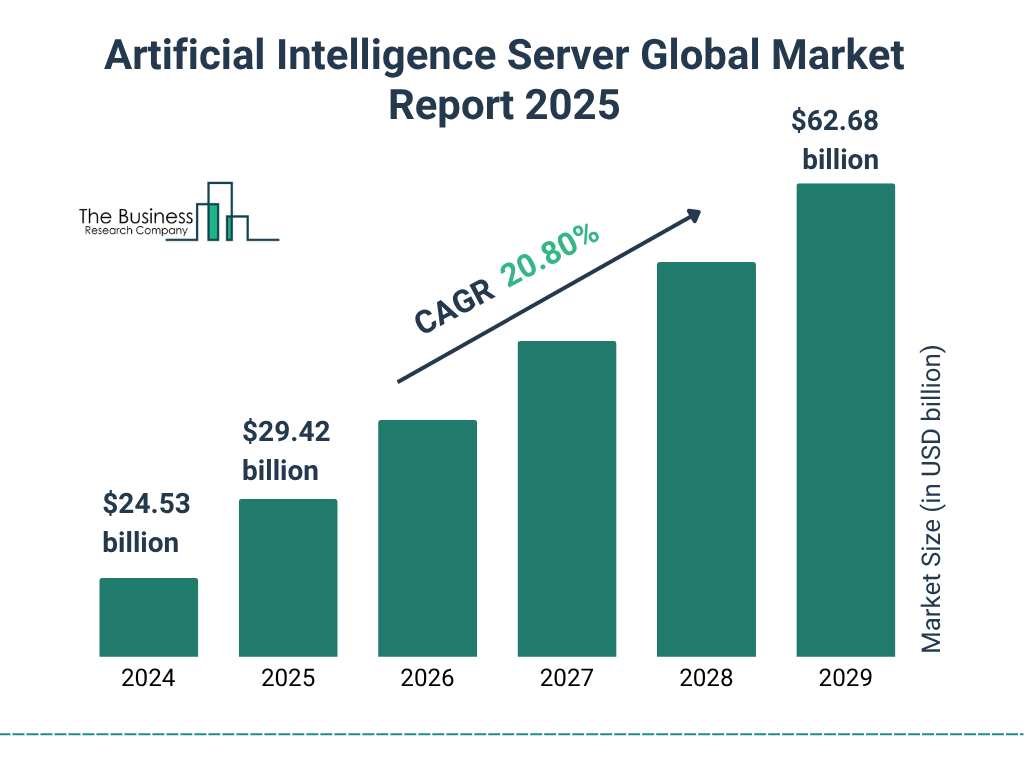
Artificial intelligence is driving a massive increase in demand for computing power.
Training AI models requires:
- High-performance infrastructure
- Scalable resources
- Cost-efficient solutions
Why Akash Network Fits This Trend:
- Provides affordable compute resources
- Supports scalable infrastructure
- Enables decentralized AI workloads
As the AI narrative continues to grow, platforms like Akash Network (AKT) become increasingly relevant. (The complete guide to Ai crypto 2026 was discussed here.)
What Makes Akash Network (AKT) Unique?
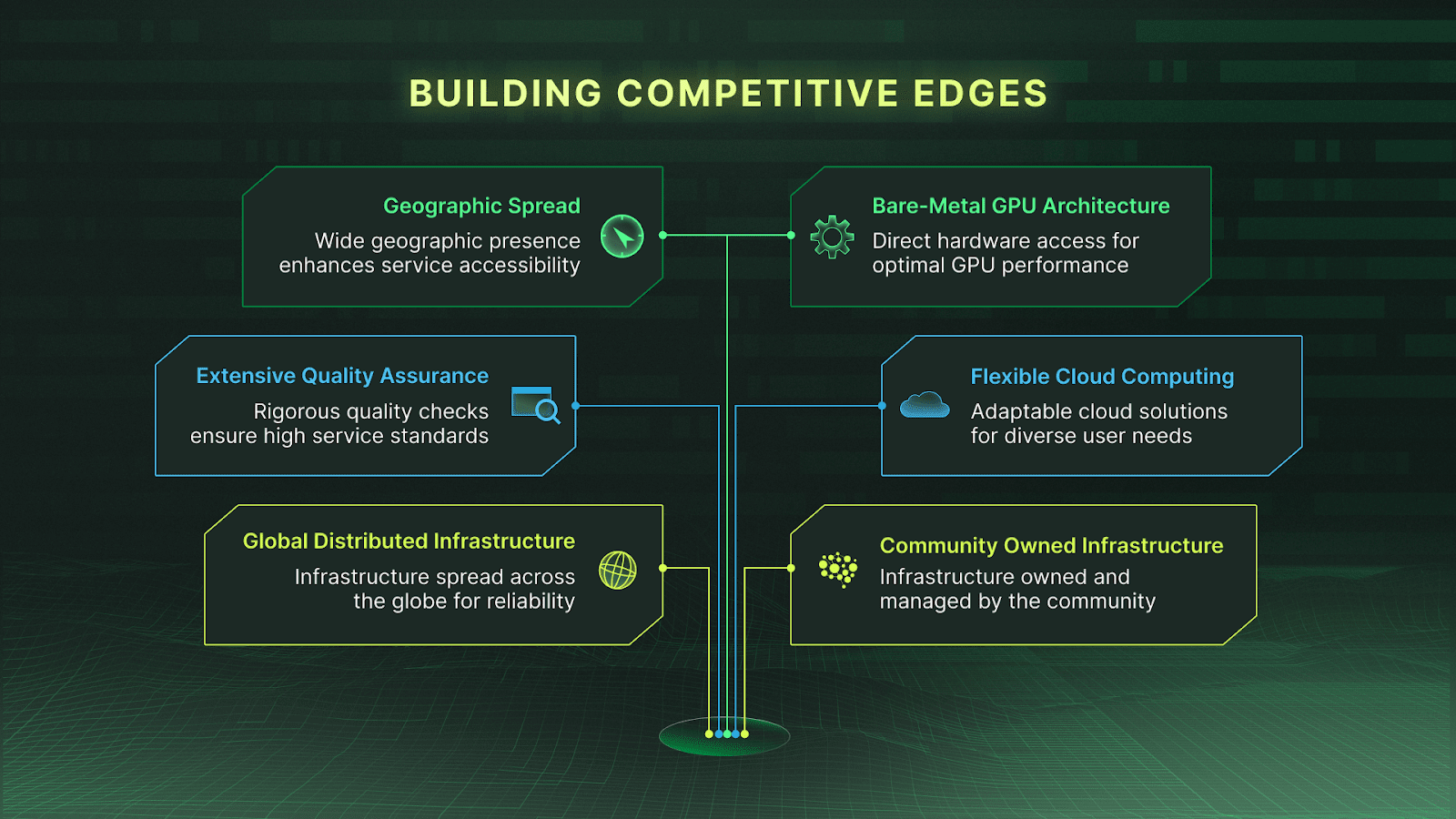
There are several key features that make Akash Network stand out.
1. Decentralized Marketplace
Pricing is determined by supply and demand.
2. Cost Efficiency
Often cheaper than traditional cloud providers.
3. Permissionless Access
Anyone can participate as a provider or user.
4. Scalability
The network grows as more providers join.
5. Infrastructure Focus
Akash is not just an app—it’s part of the foundational layer of Web3.
This positions AKT as an infrastructure play rather than a speculative project. (In addition to AKT, 2 other Ai tokens in the Ai crypto space that this author is extremely bullish on. However, some believe Ai crypto may be overvalued at the time of this writing.
Token Utility of AKT
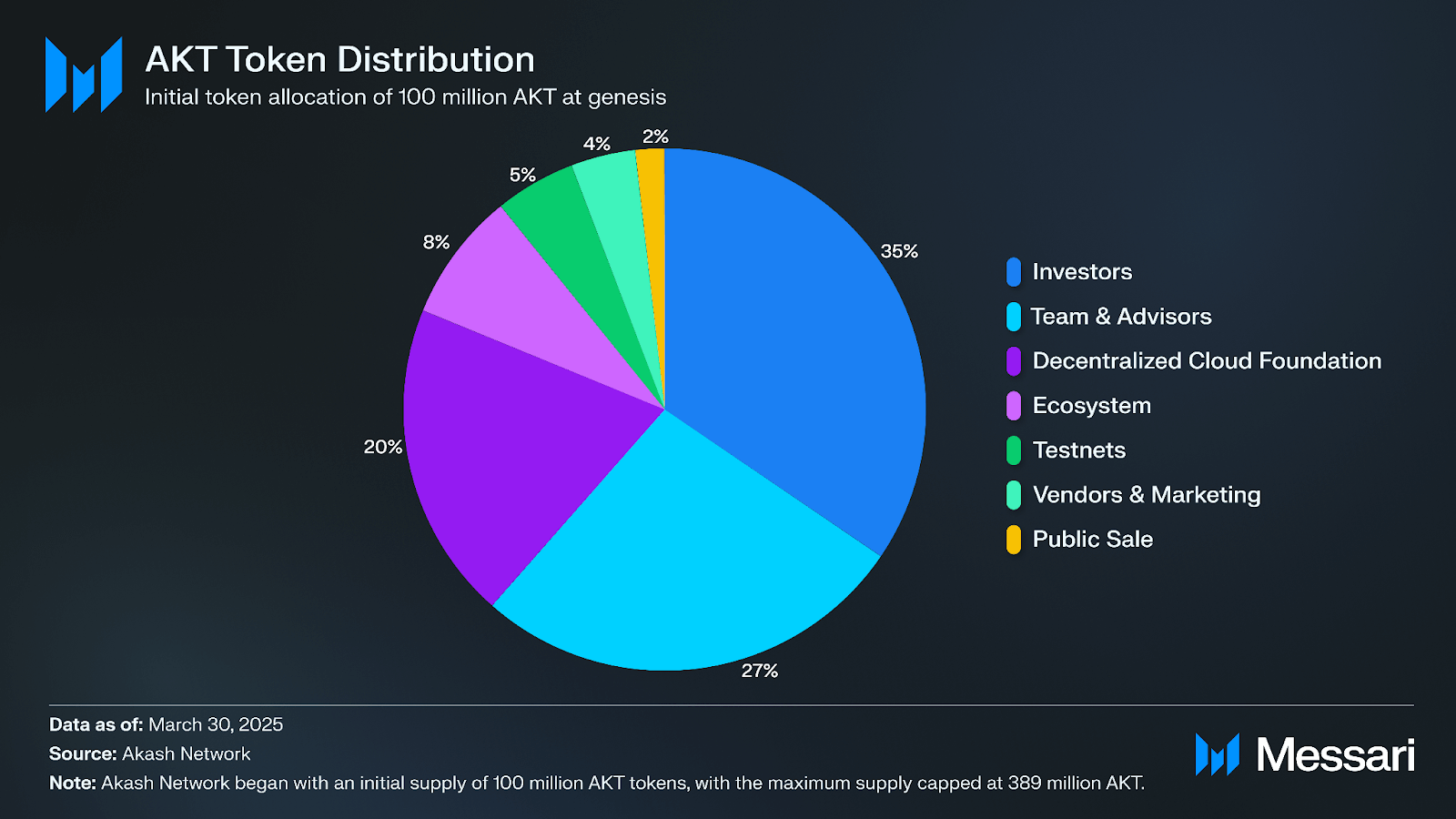
The AKT token is central to the ecosystem.
Key Uses:
- Paying for cloud services
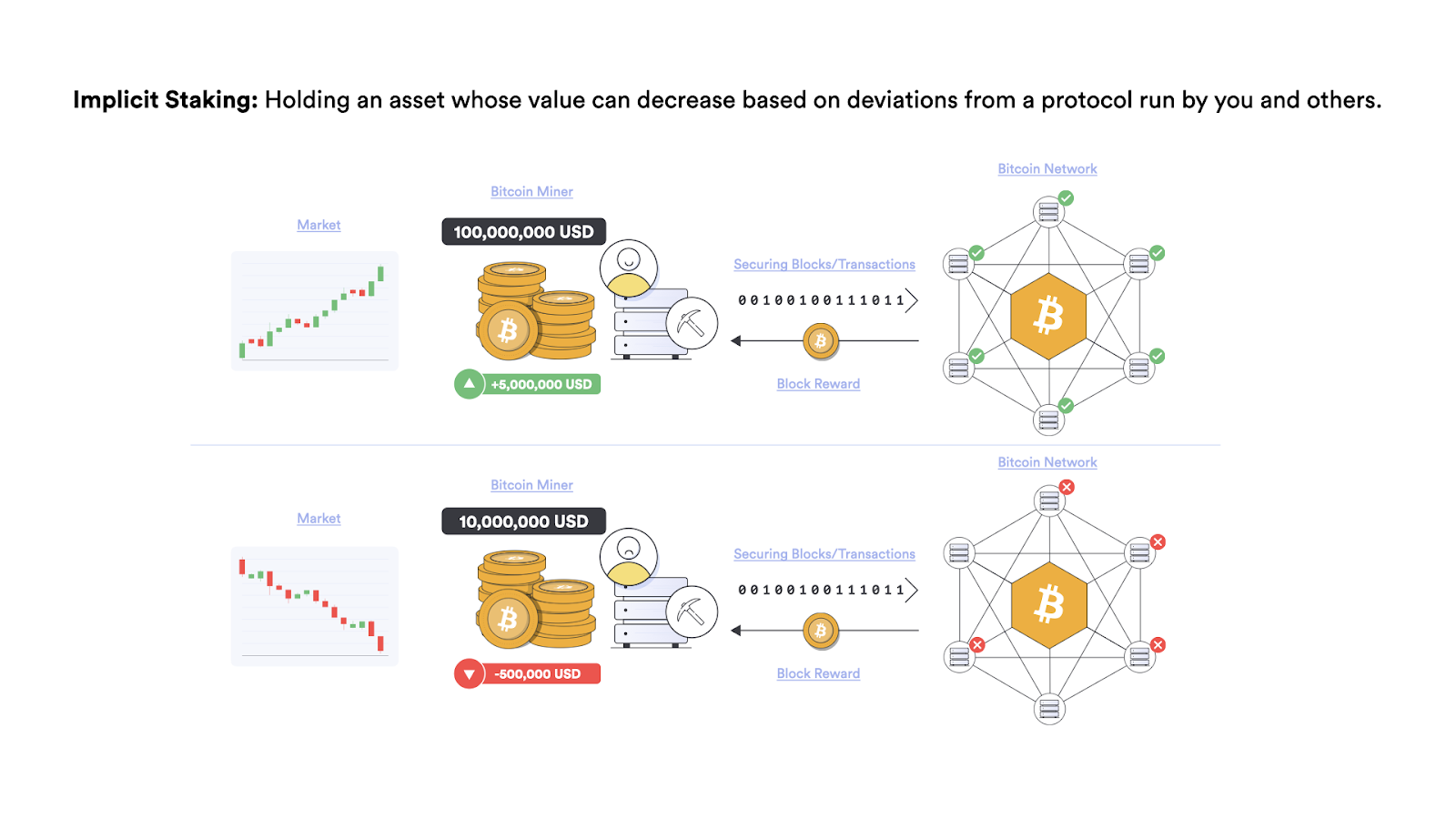
- Staking to secure the network
- Incentivizing providers
- Governance participation
Why This Matters:
As usage increases:
➡️ Demand for AKT increases
This creates a link between:
- Network growth
- Token value
Use Cases of Akash Network



Akash Network supports multiple real-world use cases:
🌐 Web Hosting
Deploy websites and applications without centralized providers.
🤖 AI & Machine Learning
Run models and training processes.
🧠 Blockchain Infrastructure
Host nodes and decentralized applications.
📦 Enterprise Solutions
Provide scalable compute for businesses.
These use cases highlight the practical value of Akash Network.
Why Akash (AKT) Could Grow in 2026
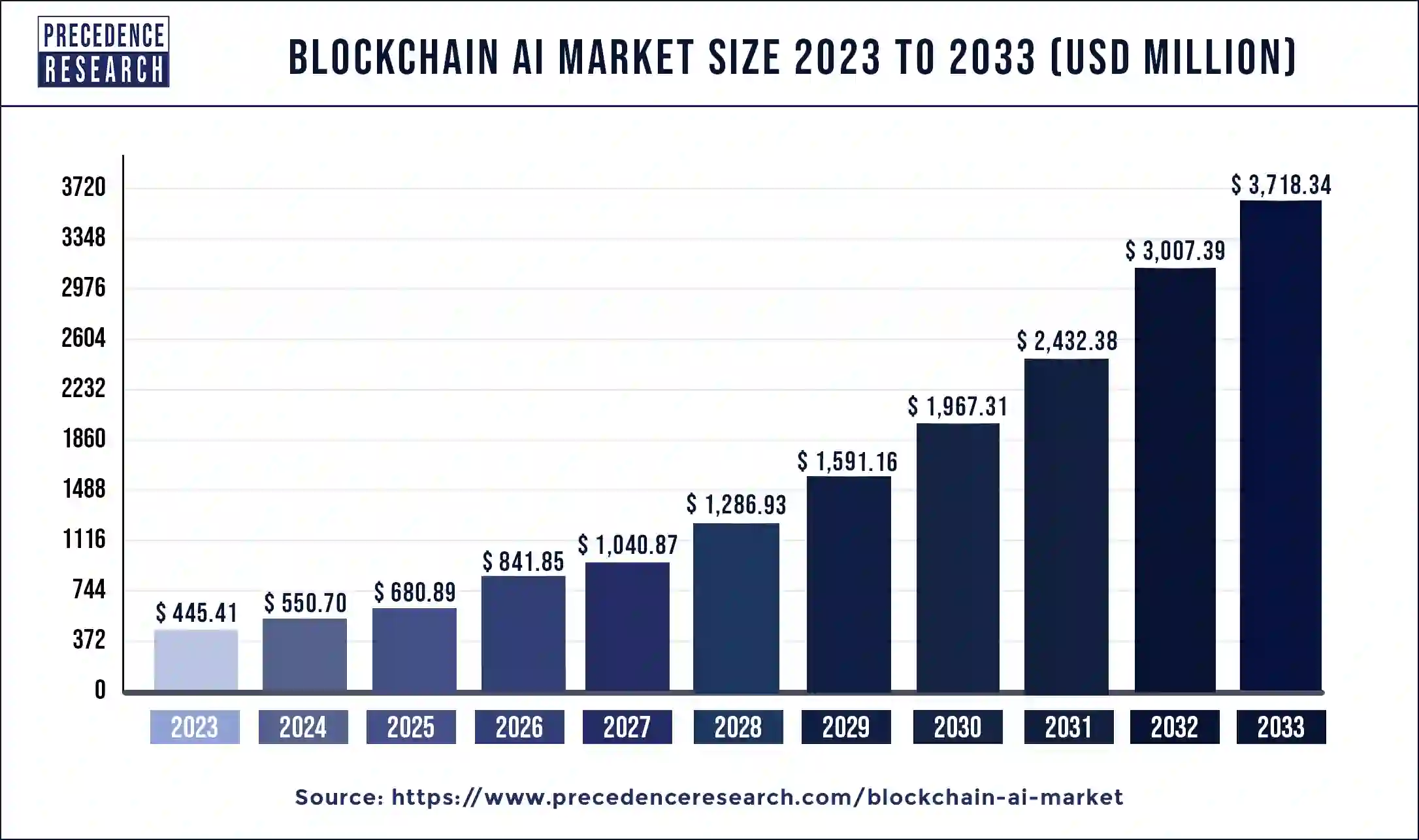

Several factors could drive growth for Akash Network (AKT):
1. AI Demand
AI growth increases demand for compute infrastructure.
2. Cloud Cost Pressure
Businesses seek cheaper alternatives.
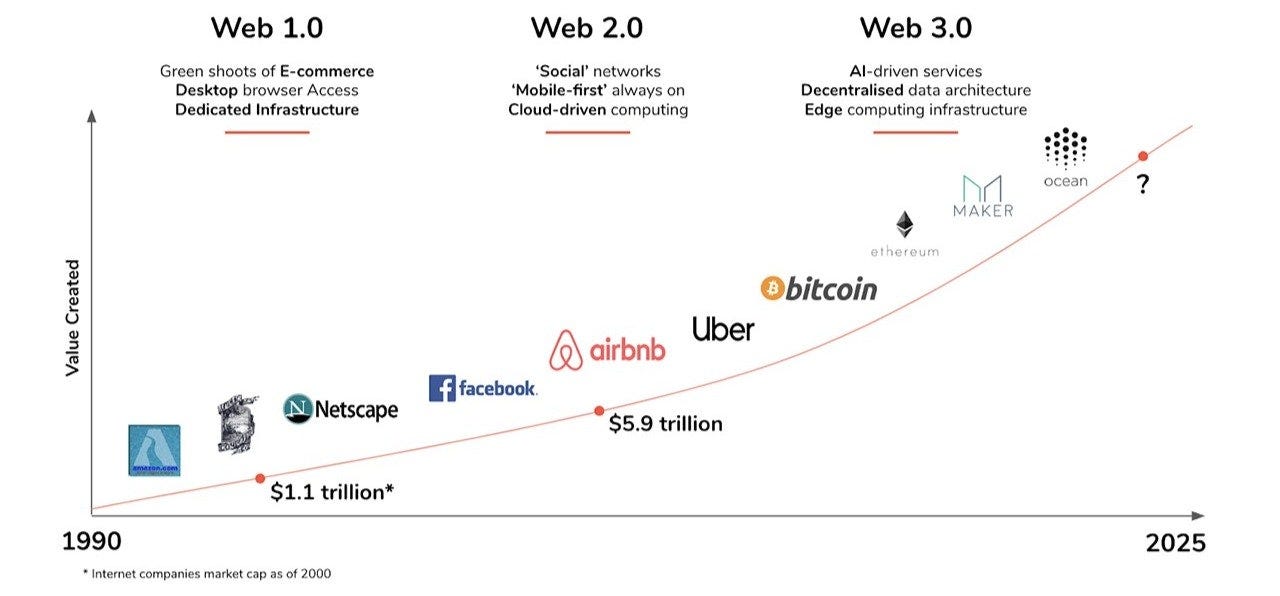
3. Decentralization Trend
Shift toward Web3 infrastructure.
4. Post-Liquidity Environments
When capital flows return, infrastructure projects often lead.
These factors position AKT as a key player in the next cycle.
Risks of Akash Network (AKT)

Like all crypto projects, Akash Network carries risks.
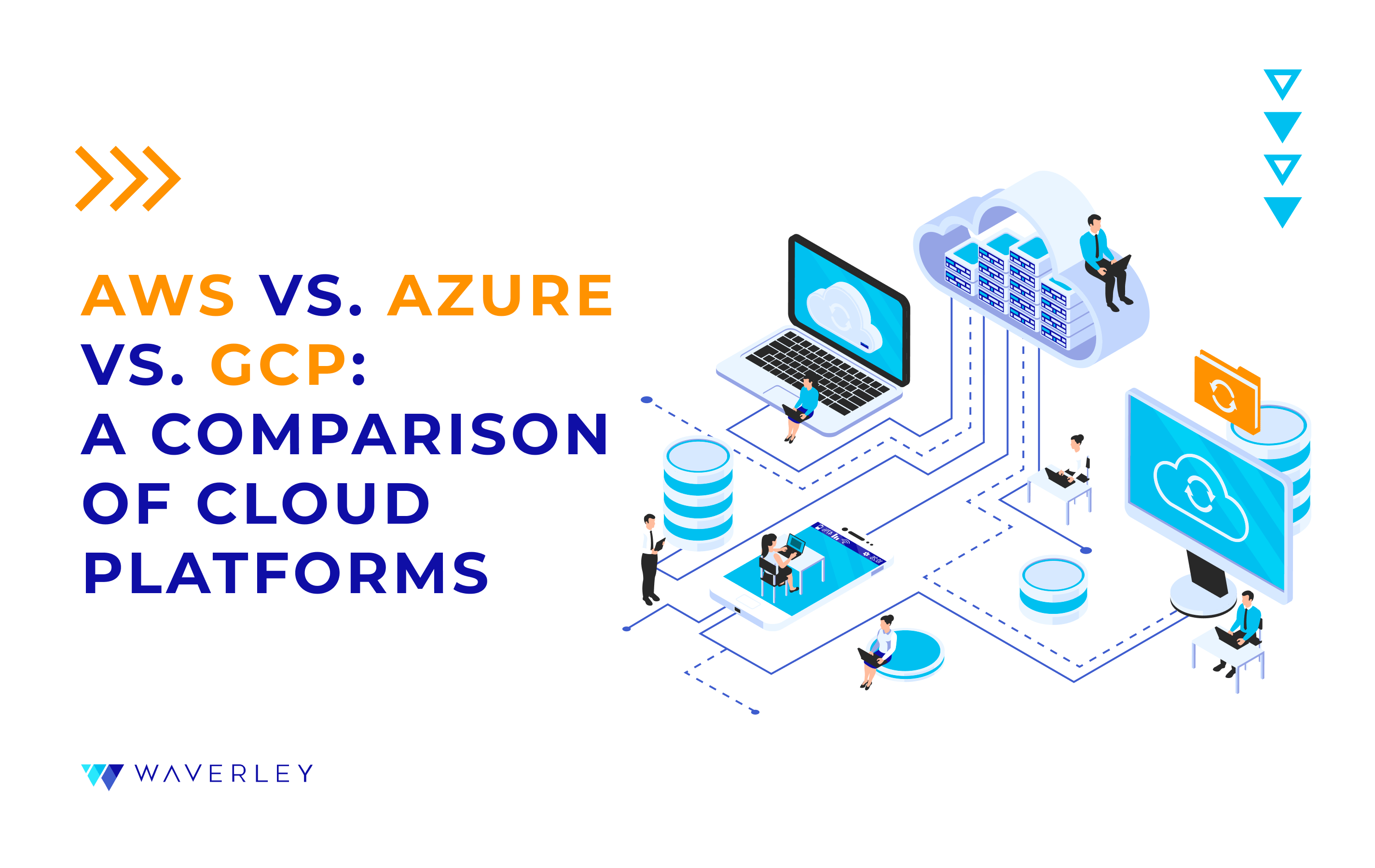
⚠️ Competition
Traditional cloud providers are strong competitors.
⚠️ Adoption Risk
Success depends on real usage.
⚠️ Technical Complexity
Infrastructure projects can be harder to scale.
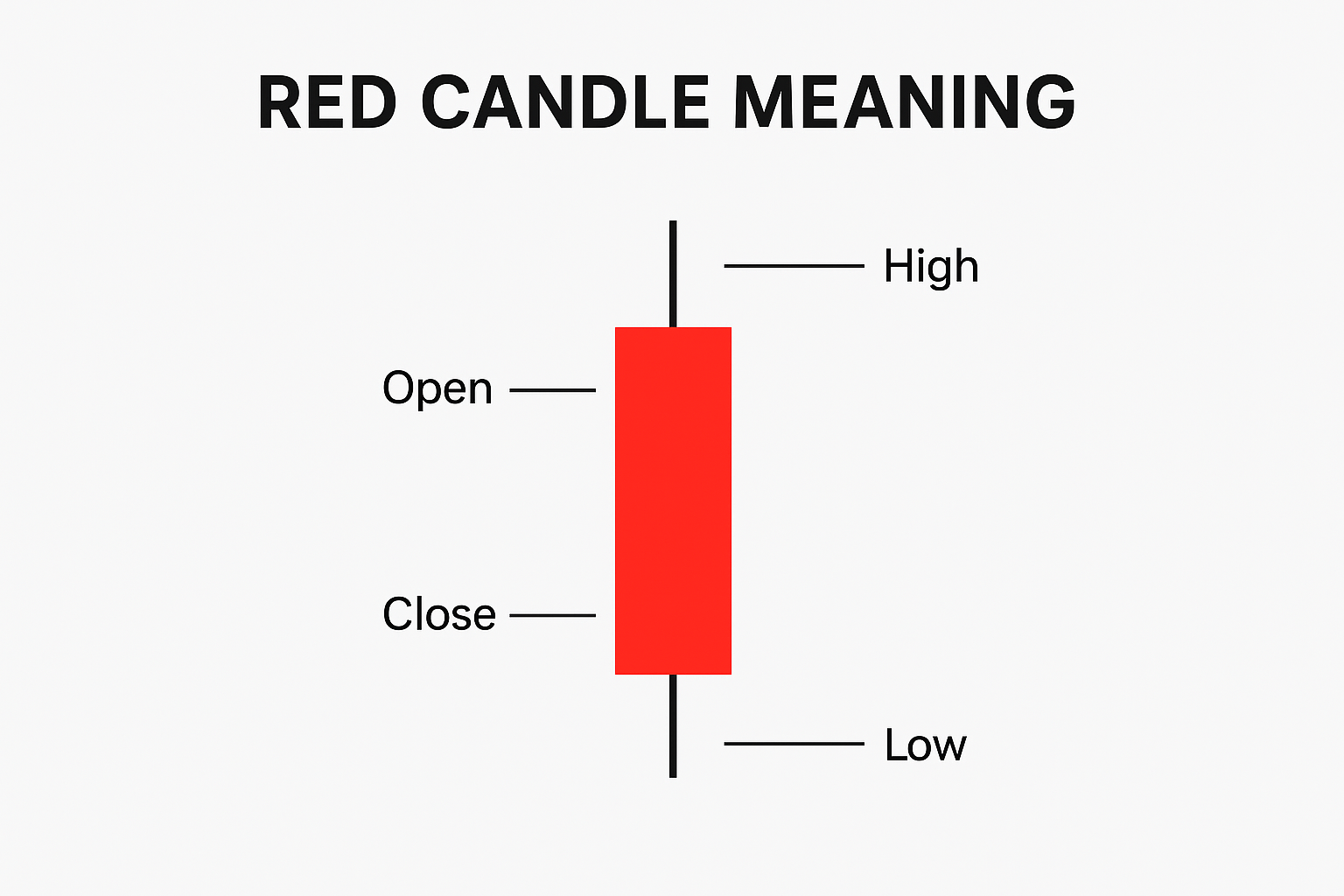
⚠️ Market Volatility
AKT can experience large price swings.
Understanding these risks is essential.
Final Thoughts and My Take on Akash Network (AKT)
Akash Network (AKT) represents a critical layer of the future internet.
It focuses on:
- Decentralized cloud computing
- AI infrastructure
- Web3 scalability
As demand for computing power continues to grow, platforms like Akash could play a major role in reshaping how infrastructure is delivered. This author is a strong proponent of a decentralized network of Ai crypto projects. Decentralization (DEFI) empowers the common people. As a matter of fact, this author has created a substantial DEFI portfolio starting from scratch. (This course shows how it all began just a few short months ago).
The key question is:
👉 Will decentralized cloud solutions compete with traditional providers at scale?
If they do, Akash Network could be one of the biggest beneficiaries.
FAQ: Akash Network (AKT)
What is Akash Network (AKT)?
A decentralized cloud computing platform powered by blockchain.
What is AKT used for?
Payments, staking, governance, and network participation.
Is Akash related to AI?
Yes—it provides infrastructure needed for AI workloads.
What makes Akash unique?
Its decentralized marketplace for cloud computing.
Is AKT a good investment?
It depends on adoption, competition, and market conditions.
=========================================================================
At the time of this writing, the U.S. – Iran war was escalating. For post-war effects on crypto, read this next: https://rchrisford.com/post-war-liquidity-how-bitcoin-and-ai-tokens-explode
If you enjoyed this post, here are 9 under the radar, low-cap Ai crypto projects that have huge upside in 2026: https://rchrisford.com/9-under-the-radar-low-cap-ai-crypto-projects-to-watch-in-2026
Until next time,
Chris

P.S. – Have you subscribed to my CryptoJag YouTube channel?