Crypto trading in 2026 looks very different than it did just a few years ago.
The nonstop hype has faded.
The “get rich overnight” narratives don’t work anymore.
And markets have matured in a way that rewards discipline, structure, and simplicity.
That’s why many traders are returning to something surprisingly basic:
Trading crypto using just one indicator — Bollinger Bands.
In a more mature market environment, simple tools often outperform complicated strategies. This article breaks down how Bollinger Bands work, why they’re still reliable in 2026, and how traders use them as part of a clean, repeatable trading process — without staring at charts all day.
No hype. No prediction. Just clarity.
One of the biggest mistakes traders still make is assuming that success comes from more indicators.
In reality, most losses come from:
Conflicting signals
Overtrading
Emotional decision-making
Analysis paralysis
As crypto markets matured, volatility became more structured. Institutions entered. Liquidity improved. Price behavior became more readable — not easier, but cleaner.
This shift favors tools that:
Adapt to volatility
Work across timeframes
Don’t rely on constant tweaking
Bollinger Bands check all of those boxes.
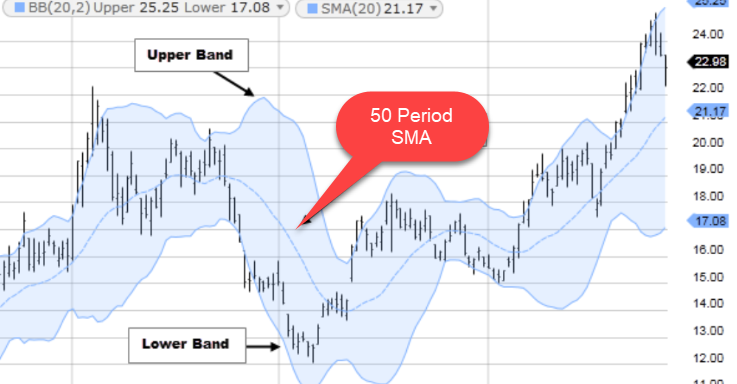
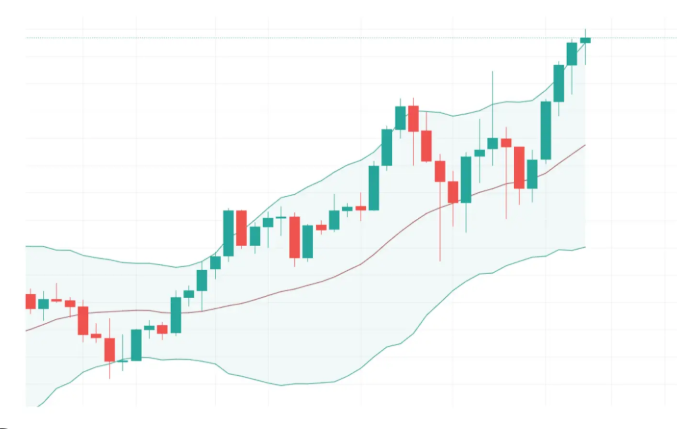
Bollinger Bands consist of three lines:
Middle Band – a moving average (usually 20-period, BUT WE USE 50.)
Upper Band – the moving average + volatility
Lower Band – the moving average – volatility
Instead of predicting price direction, Bollinger Bands show you when price is relatively high or low compared to recent behavior.
They expand when volatility increases.
They contract when volatility decreases.
That adaptability is exactly why they remain useful in 2026.
Bollinger Bands work well in crypto for three main reasons:
Crypto volatility changes constantly. Bollinger Bands automatically adjust, unlike fixed indicators that become unreliable when conditions shift.
Whether the market is trending or consolidating, Bollinger Bands help traders understand context, not just signals.
Bollinger Bands naturally reduce overtrading by waiting for price to reach extremes instead of chasing moves.
In a market where discipline matters more than speed, that’s a major advantage.

Many beginners misuse Bollinger Bands by assuming:
Touching the upper band = sell
Touching the lower band = buy
That’s not how professionals use them.
Bollinger Bands are not buy/sell buttons.
They are context tools.
The real value comes from observing:
How price behaves near the bands
Whether volatility is expanding or contracting
How price reacts after touching or riding a band
This shifts trading from guessing to probability-based decision-making.
Here’s a clean, beginner-friendly way traders approach Bollinger Bands today.
In 2026, most traders who want clarity and consistency don’t forget:
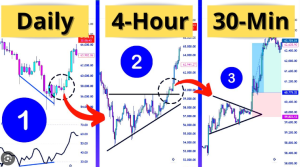
4-hour charts
Daily charts
Lower timeframes are used for scalping profits. Higher timeframes add clarity.
Step 2: Identify Market StateAsk one question:
Is price trending or ranging?
In ranges, Bollinger Bands help identify extremes
In trends, Bollinger Bands help identify continuation
This single distinction prevents many bad trades.
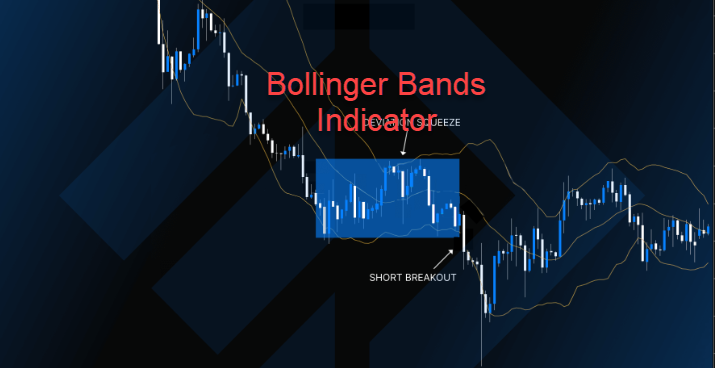
When Bollinger Bands contract, volatility is low.
When they expand, volatility is increasing.
Low volatility often precedes strong moves — but direction matters less than preparation.
Before entering, traders define:
Entry zone
Stop loss
Exit target
Risk per trade
If this isn’t clear, the trade is skipped.
That’s trading — not gambling.
Crypto in 2026 rewards:
Patience
Risk management
Consistency
Emotional control
Bollinger Bands naturally reinforce all four.
They:
Slow traders down
Highlight extremes instead of chasing price
Reduce the need for constant screen time
Encourage planning over reaction
This makes them ideal for:
9–5 workers
Parents
Traders who want structure without stress
It’s important to be honest.
Bollinger Bands will NOT:
Predict tops or bottoms perfectly
Win every trade
Eliminate losses
What they do provide is:
A repeatable framework
Better timing
Clearer risk boundaries
And over time, those things matter far more than flashy indicators.
Even simple strategies fail without education.
Most traders don’t lose because the tool is bad — they lose because they:
Don’t understand risk
Overtrade
Ignore structure
Trade emotionally
That’s why many people start with structured, simplified education instead of jumping straight into live trading.
If you’re looking for a clear introduction to crypto trading fundamentals, there’s a free 1-day trading course that walks through:
Market structure
Risk management
Simple trading frameworks
How to avoid common beginner mistakes
👉 Access the free 1-day crypto trading course here:
https://earncryptoprofits.com
(No hype. Just education you can build on.)
Many traders in 2026 don’t try to master everything at once. You don’t need to know everything to make substantial profits in crypto.
They:
Learn one tool well
Focus on risk management
Trade fewer, higher-quality setups
Review and improve over time
Bollinger Bands fit perfectly into this approach.
Simple doesn’t mean easy — it means repeatable.
Crypto trading in 2026 doesn’t reward complexity.
It rewards:
Clear thinking
Simple frameworks
Emotional control
Consistency over time
Bollinger Bands remain reliable because they align with how modern crypto markets actually behave — structured, volatile, and unforgiving to impulsive decisions.
You don’t need more indicators.
You need better execution.
And that starts with simplicity.