

If you’ve ever traded crypto with leverage, you’ve probably seen this pattern:
Price moves just far enough to liquidate a cluster of long or short positions…
liquidations cascade…
and then price suddenly reverses.
To many traders, it feels personal.
Or manipulated.
Or unfair.
But what’s really happening isn’t a secret attack on retail traders — it’s how leveraged markets function when liquidity, positioning, and incentives collide.
In this article, we’ll break down:
What liquidation really means in crypto
Why large holders and exchanges don’t need to “predict” price
How liquidity clusters form
Why liquidations happen in seconds or minutes
How traders can avoid becoming the liquidity
A liquidation occurs when a leveraged trader’s position is forcibly closed because they no longer have enough margin to maintain it.
This happens when:
A trader borrows capital to increase position size (leverage)
Price moves against them
Their margin falls below the exchange’s maintenance requirement
At that point, the exchange automatically closes the position to prevent further losses.
Important:
Liquidations are mechanical, not emotional.
They are executed by algorithms — instantly.
When people say crypto has become institutionalized, they don’t just mean that big firms bought Bitcoin.
Institutionalization means:
Professional capital is involved
Risk management frameworks are applied
Regulatory clarity is improving
Infrastructure is mature enough to support scale
In other words, crypto is no longer treated like a side experiment — it’s being treated like a legitimate asset class.
That shift has deep implications for volatility, opportunity, and participation.
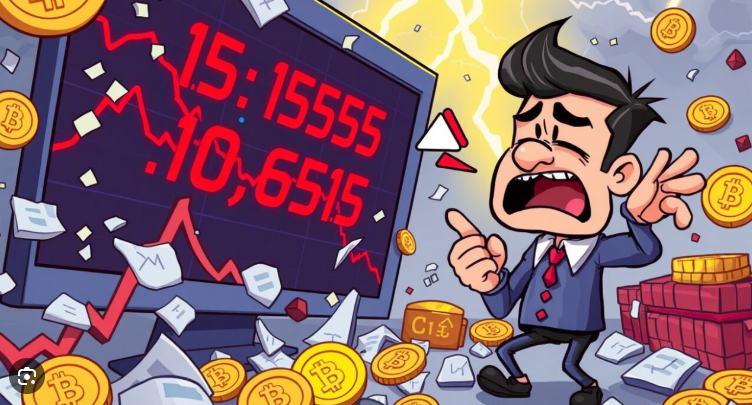

Spot markets (no leverage) behave differently than leveraged derivatives markets.
When leverage enters the picture:
Traders are forced to exit at predefined levels
Those exits become guaranteed market orders
Large clusters of liquidations can exist at obvious price points
This is where things get interesting.
In leveraged markets, price isn’t just about buyers and sellers — it’s about where forced orders sit.
Liquidity is simply the ability to buy or sell without moving price too much.
But in crypto derivatives, there’s a special kind of liquidity:
Forced liquidity — liquidation orders that must execute when price hits certain levels.
When many traders:
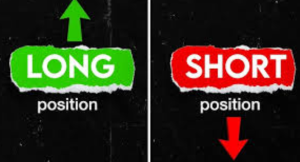
Enter longs at similar prices
Use similar leverage
Place stops at similar levels
They unintentionally create liquidity pools.
And liquidity attracts price.

Here’s the key distinction:
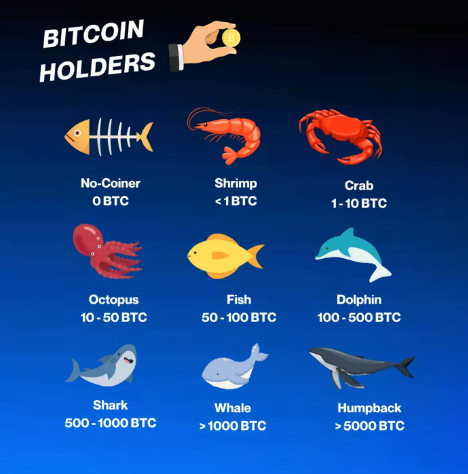
Large holders (exchanges, funds, whales) don’t need to hunt traders.
They simply operate in a market where:
Leverage is visible
Positioning is predictable
Liquidity is unevenly distributed
When large players transact:
They seek areas with sufficient liquidity
Those areas often coincide with liquidation zones
So liquidations aren’t caused by malice — they’re caused by structure.
Liquidations often feel violent because of feedback loops.
Here’s how a typical cascade works:
Price enters a high-leverage zone
First wave of positions gets liquidated
Forced market orders push price further
That triggers the next layer of liquidations
Momentum accelerates rapidly
All of this can happen in seconds.
Once the cascade finishes:
Forced selling or buying disappears
Price often stabilizes or reverses
That’s why you often see sharp wicks.

Many traders assume liquidations only affect one side.
In reality:
Longs can be wiped above support
Shorts can be wiped below resistance
Both sides can get trapped in choppy markets
When leverage builds up on both sides:
Price may whip in both directions
Clearing liquidity above and below
This is why range-bound markets feel brutal.
Exchanges host the liquidity — they don’t need to trade against customers to benefit.
Exchanges:
Earn fees from volume
Automatically liquidate positions per rules
Publish leverage and funding data (often publicly)
The liquidation engine doesn’t care who is trading.
It cares about:
Margin requirements
Risk controls
System stability
The faster positions are liquidated, the safer the exchange remains.

Manipulation implies illegal intent.
What’s happening instead is price discovery in a leveraged environment.
Key points:
Liquidation levels are a natural result of crowd behavior
Large players trade where liquidity exists
Crypto markets are transparent enough to reveal leverage imbalances
No secret cabal is needed — the math does the work.
Retail traders are more vulnerable because they:
Use higher leverage
Trade emotionally
Cluster entries and stops
Chase momentum
Institutions and professionals:
Use lower leverage (or none)
Size positions conservatively
Focus on risk first
Expect volatility
This difference in approach explains why retail traders often feel “hunted”.
You can’t control the market — but you can control your behavior.
Here are practical ways to reduce liquidation risk:
Lower leverage = wider margin for error.
Many professionals trade with:
1x–3x leverage
Or no leverage at all
Crowded entries = crowded exits.
If everyone sees the same setup, liquidity will stack there.
Overtrading increases exposure to liquidation events.
Selectivity matters more than frequency.
4. Focus on Risk Before RewardAsk first:
“How much can I lose?”
Not:
“How much can I make?”
Liquidations often happen:
Before major news
During low liquidity periods
After long consolidation phases
Context matters.


As long as crypto offers:
High leverage
24/7 trading
Global participation
Liquidations will remain part of the landscape.
They aren’t a bug — they’re a feature of leveraged markets.
The traders who survive are the ones who:
Respect structure
Manage risk
Avoid emotional decisions
Retail traders (like you and me) have to stay abreast of constant change in crypto.
Most traders fail because they:
Skip risk management
Overtrade
Ignore structure
Trade emotionally
That’s why many traders start with structured education before risking capital.
If you’re looking for a clear, beginner-friendly introduction to crypto trading, there’s a free 1-Day Trading Course that walks through:
Market structure
Risk management
Simple indicator-based strategies
Common mistakes to avoid
👉 Access the free 1-Day Crypto Trading Course here:
https://earncryptoprofits.com
No hype — just fundamentals you can actually use.
Big Bitcoin holders don’t need to predict price.
They operate in a market where:
Liquidity is visible
Leverage creates forced behavior
Structure matters more than opinion
Liquidations happen fast because they’re mechanical, not emotional.
Once you understand that, crypto trading stops feeling personal — and starts feeling logical.
The market isn’t hunting you.
It’s responding to incentives.
The question is:
Are you positioned with the structure… or against it?