Decentralized finance (DeFi) has exploded over the last few years, unlocking opportunities that simply didn’t exist in traditional banking. But along with those opportunities comes a very real downside: people lose money every single day because they don’t understand how DeFi actually works.
And it’s not because they’re stupid.
It’s because DeFi is new, fast-moving, and full of traps that aren’t obvious until it’s too late.
If you’re getting into DeFi—or you’ve already dipped your toes in and want to level up—this post will help you avoid the most common mistakes that drain people’s wallets.
Let’s break them down one by one, along with the mindset shifts and strategies that can save you thousands.
Mistake #1: Chasing High APRs Without Understanding the Risk
DeFi loves to tempt you with high numbers.
You’ll see protocols offering 500% APR, 1,200% APR, and sometimes numbers so ridiculous you have to blink twice.
And beginners often think, “Why would I settle for 5% or 10% when I can get this?”
But here’s the truth:
High APR ≠ high profit.
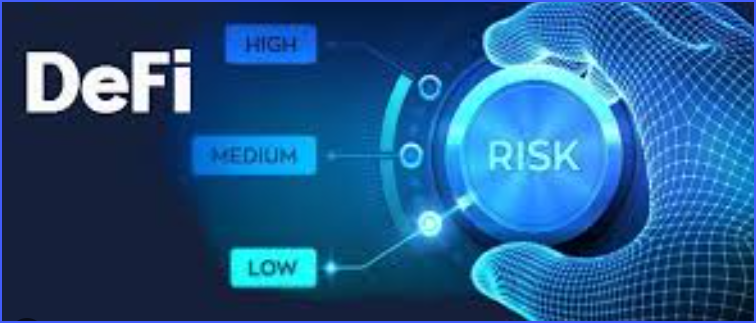
High APR = high risk.
Most ultra-high yields fall into one of these categories:
Unsustainable token emissions (new tokens printed out of thin air)
Illiquid pools (you can’t exit without massive price impact)
Ponzi-like reward structures
Protocols designed to extract liquidity from beginners
The real question isn’t, “How high is the yield?”
It’s “Where does the yield come from?”
If the protocol can’t clearly explain:
what drives rewards,
how long those rewards last,
and what risk you take on…
…run.
How to avoid this mistake:
Assume anything over 30—60% APR requires deeper research.
Look for yield backed by real revenue, not inflation.
Prioritize sustainable protocols: LSDs, blue-chip liquidity pools, lending markets, etc.
In short:
Don’t chase the shiny numbers. Chase the math behind the numbers.
Mistake #2: Ignoring Smart Contract Risk
Most people think the biggest risk in DeFi is price volatility.
Nope.
It’s smart contract risk.
Even audited protocols have been hacked. Even “trusted” teams have made mistakes. And the truth is, the more complex a DeFi system is, the more surface area there is for things to go wrong.
If a protocol involves:
complicated reward structures
multiple tokens
wrappers and derivative tokens
bridges or cross-chain components
vault automation
leveraged positions
…your risk increases exponentially.
Hacks aren’t always malicious. Sometimes it’s just bad code.
How to avoid this mistake:
Stick to battle-tested protocols early in your journey.
Prefer audited contracts—but understand audits are not guarantees.
Look at TVL stability (fast inflows/outflows can signal issues).
Avoid protocols with anonymous devs unless they have a long track record.
A good rule:
If you don’t understand the contract structure, you shouldn’t put money into it.
Mistake #3: Not Considering Impermanent Loss (IL)
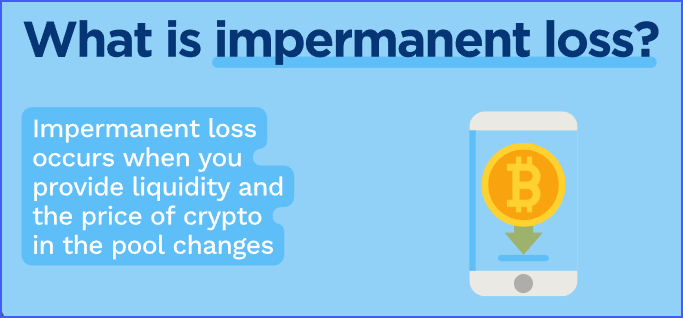
Impermanent loss is one of the most misunderstood concepts in DeFi, and it’s responsible for more losses than people realize.
A lot of beginners think providing liquidity (LPing) equals “earning passive yield.”
But here’s the catch:
If the two tokens in your pool move in price relative to each other, you may lose money—even if the protocol is paying yield.
Impermanent loss can:
wipe out your profits
exceed the yield you’re earning
make liquidity providing unprofitable during big market swings
And the worst part?
Most investors don’t notice IL until they withdraw… and their balance is smaller than expected.
How to avoid this mistake:
Only provide liquidity on correlated pairs (like stables or LSTs).
Avoid pairs with widely different volatility (e.g., BTC/altcoins).
Use IL calculators before committing capital.
Understand that “high APR” is often a trap to offset IL—but rarely does.
Once you truly understand IL, you start avoiding pools that aren’t worth it.
That alone puts you ahead of 80% of DeFi users.
Mistake #4: Overlooking Gas Fees, Slippage, and Exit Liquidity
Every DeFi action—staking, swapping, claiming, and harvesting—costs gas.
And over time, gas fees can quietly eat your returns alive.
If you’re earning $5 a day but paying $20 in gas each week, your APY may look good on paper, but your real returns are terrible.
Beginners also ignore slippage, especially in low-liquidity pools.
A “cheap” swap can suddenly cost 2–5% more than expected.
Another often-overlooked factor?
Exit liquidity.
Just because you can enter a pool doesn’t mean you can leave without a loss.
How to avoid this mistake:
Stick to protocols on cheaper networks (Arbitrum, Optimism, Base, etc.).
Avoid pools with low liquidity or high slippage.
Check gas costs compared to your expected yield.
Avoid re-compounding if gas outweighs the benefits.
Remember:
Your real APY is what you keep—not what the protocol advertises.
Mistake #5: Entering Protocols Without a Clear Plan
Most people jump into DeFi positions with a simple thought:
“Let’s see what happens.”
That’s not a plan.
It’s a gamble.
And it’s one of the biggest differences between losing and winning investors.
Experienced traders and yield farmers always know:
Their entry conditions
Their target returns
When they will exit
What could go wrong
How much of their portfolio they’re willing to risk
Beginners, on the other hand, often:
over-invest
panic-sell
ignore risk
hold too long
or exit too early
In most cases, people don’t lose money because the protocol failed…
they lose because they had no strategy for when to take profits or cut losses.
How to avoid this mistake:
Before entering any DeFi position, write down:
Why you are entering
How long you plan to stay
What % of your portfolio you’re allocating
What conditions will make you exit
The potential risks you’re accepting
This alone will put you ahead of most users who are just guessing their way through DeFi.
The Bigger Lesson: DeFi Rewards People Who Understand the Game
DeFi isn’t magic.
But it is powerful—when you understand the mechanics.
If you avoid the five mistakes in this article, you’ll automatically:
take smarter risks,
avoid obvious traps,
allocate more effectively,
and protect your capital better than most beginners.
But the truth is…
there’s still a lot more to understand before you can confidently navigate DeFi without worrying about hacks, scams, or costly mistakes.
And if you want to go deeper…
🔑 Want to Understand DeFi Without Feeling Overwhelmed?
If you’re serious about leveling up, my video course “DeFi Demystified” walks you through everything step-by-step—including:
How to evaluate DeFi protocols safely
What to look for in a sustainable yield
How to avoid impermanent loss
How to spot rugs and red flags early
How to build a safe, beginner-friendly DeFi portfolio
And how to actually earn yield without gambling
It’s designed to take you from confused to confident, without the noise, hype, or jargon.
 If you enjoyed this breakdown, you’ll love the structured, deeper walkthrough inside the course.
Final Thoughts: Passive Doesn’t Mean Risk
DeFi is here to stay.
And the people who win consistently aren’t the ones taking the biggest risks—they’re the ones who understand how the system works.
If you can avoid the common mistakes:
chasing APR
ignoring smart contract risk
misunderstanding IL
wasting yield on gas and slippage
and entering without a plan
…you’re already playing at a higher level than most.
Treat DeFi like a skillset—not a lottery ticket—and you’ll be shocked how fast your results improve.
Disclaimer: This content is for educational purposes only and is not financial advice. Always do your own research (DYOR).