Why Post-War Liquidity Drives Crypto Explosions
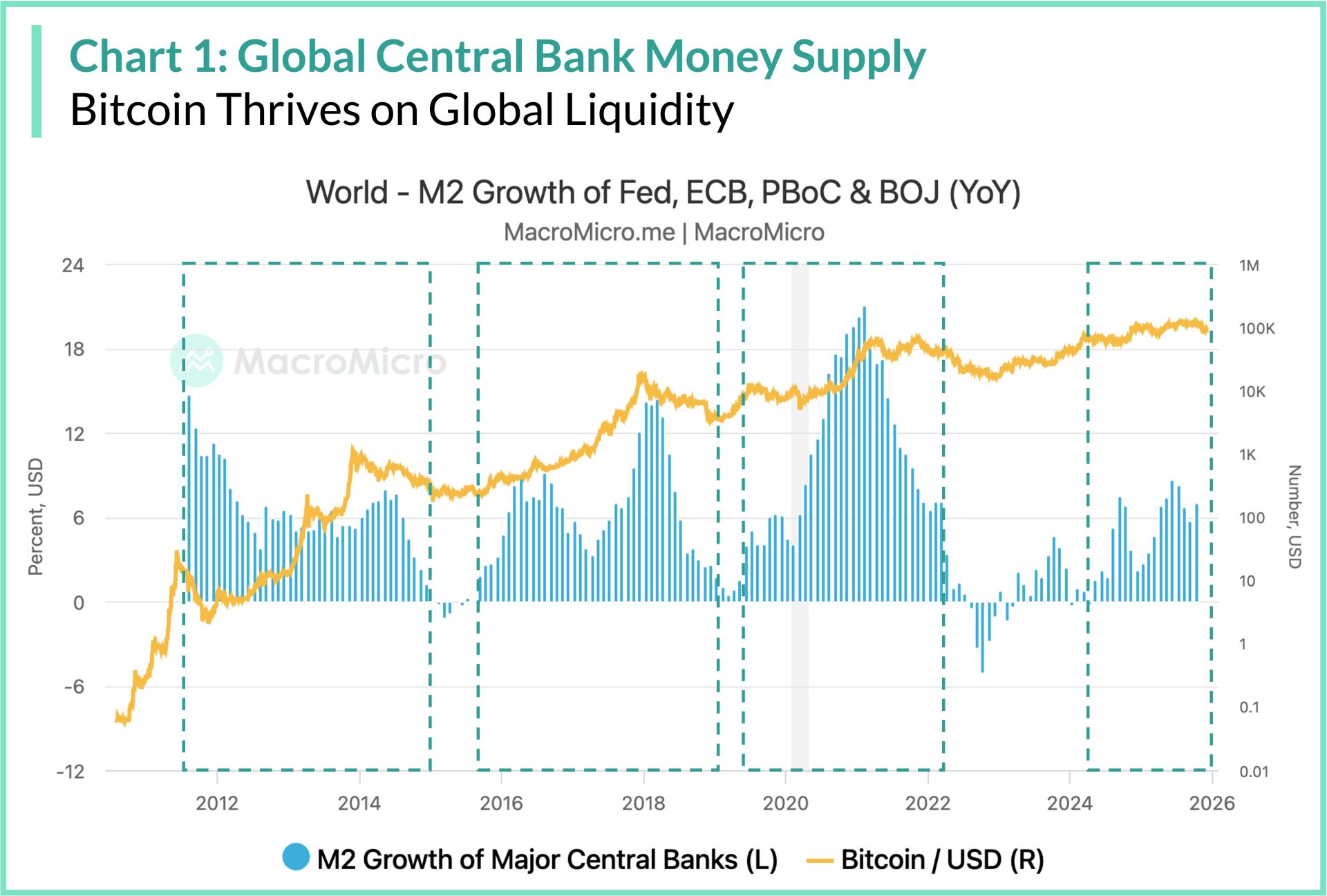
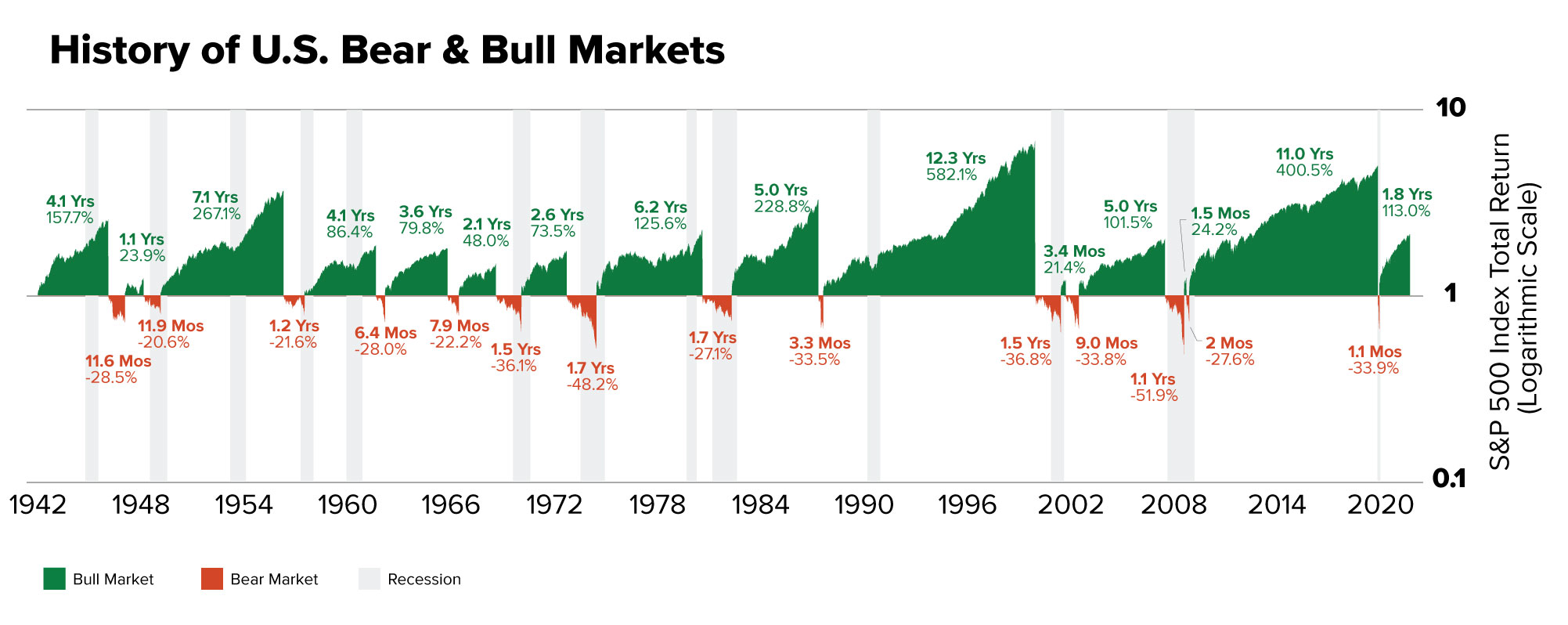
When geopolitical conflict dominates global markets, uncertainty takes over. Investors reduce exposure to risk, capital moves to safer assets, and volatility increases across financial systems.
But history shows something important:
The biggest opportunities don’t happen during crisis—they happen after.
This is where post-war liquidity becomes critical.
When conflict stabilizes:
- Central banks often ease financial conditions
- Governments stimulate economic activity
- Investors re-enter markets
This creates a surge in global liquidity, and liquidity is the primary fuel behind major market moves.
Crypto, as a high-risk, high-reward asset class, sits at the edge of this capital flow.
That means when liquidity returns:
➡️ Crypto doesn’t just rise—it often accelerates.
And within crypto, AI altcoins are emerging as one of the strongest narratives heading into the next cycle.
Why AI Crypto Narratives Are Positioned to Lead

Every crypto cycle is driven by narratives.
We’ve seen this with:
- DeFi in 2020
- NFTs in 2021
- Layer 1s and scaling solutions
Now, the market is shifting toward AI + crypto integration.
This narrative is powerful because it sits at the intersection of two major trends:
- Artificial intelligence reshaping global industries
- Blockchain enabling decentralized infrastructure
AI is not a short-term trend—it is a structural shift.
And when combined with crypto, it unlocks:
- Decentralized compute power
- Autonomous systems
- Data marketplaces
- AI-driven networks
In a post-war liquidity environment, capital doesn’t flow randomly—it flows toward the most compelling narratives.
Right now, that narrative is AI tokens.
Render (RNDR): The GPU Backbone of AI

One of the most compelling AI altcoins is Render (RNDR).
What It Does:
Render provides a decentralized network for GPU computing—allowing users to access rendering power for:
- AI training
- Machine learning
- 3D rendering
- Visual processing
Why This Matters:
AI requires enormous computational power.
As demand for AI increases, so does demand for GPU infrastructure.
Traditional providers are:
- Expensive
- Centralized
- Limited in scalability
Render solves this by creating a marketplace where unused GPU power can be rented.
Why RNDR Could Explode Post-War:
In a post-war liquidity environment:
- Capital seeks exposure to AI infrastructure
- Compute demand continues rising
- Decentralized solutions gain traction
This positions Render (RNDR) as a direct beneficiary of both:
- The AI boom
- Increased capital flows into high-growth sectors
Infrastructure plays tend to outperform early in narrative cycles—and RNDR fits that category perfectly.
Fetch.ai (FET): Autonomous AI Agents
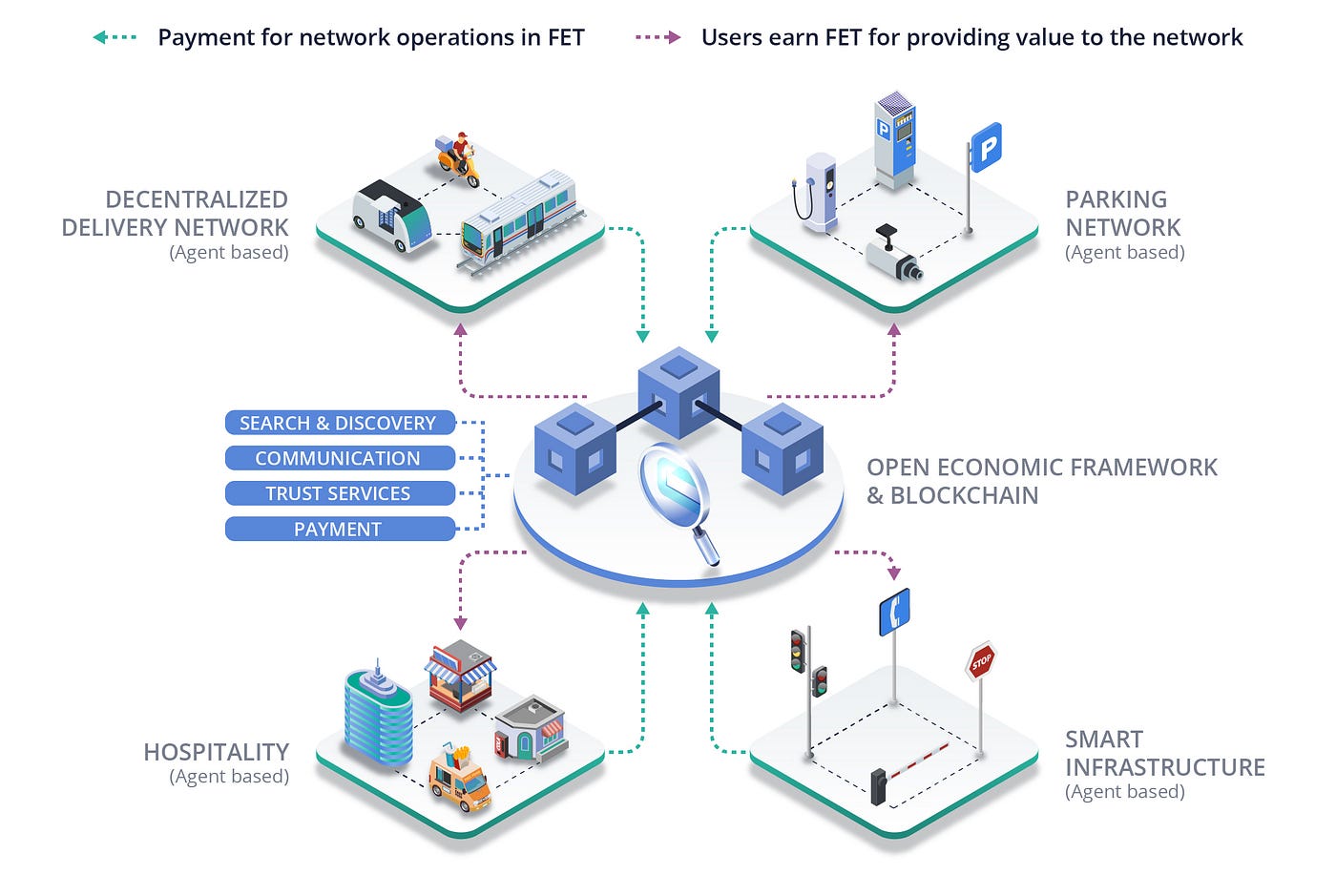


Another standout in the AI crypto space is Fetch.ai (FET).
What It Does:
Fetch.ai focuses on creating autonomous AI agents that can:
- Make decisions
- Execute transactions
- Interact with systems
- Optimize processes
These agents operate in decentralized environments and can be used across industries.
Real-World Use Cases:
- Supply chain automation
- Smart cities
- Financial optimization
- Energy distribution
Why FET Has Strong Upside:
In a post-conflict world:
- Efficiency becomes critical
- Automation accelerates
- Systems need optimization
This directly aligns with the use cases of Fetch.ai (FET).
Additionally:
- Strong narrative alignment
- Growing ecosystem
- Increasing developer interest
When liquidity returns, projects with real-world applications often attract significant capital.
FET sits at that intersection.
Akash Network (AKT): Decentralized Cloud for AI
The third major player is Akash Network (AKT).
What It Does:
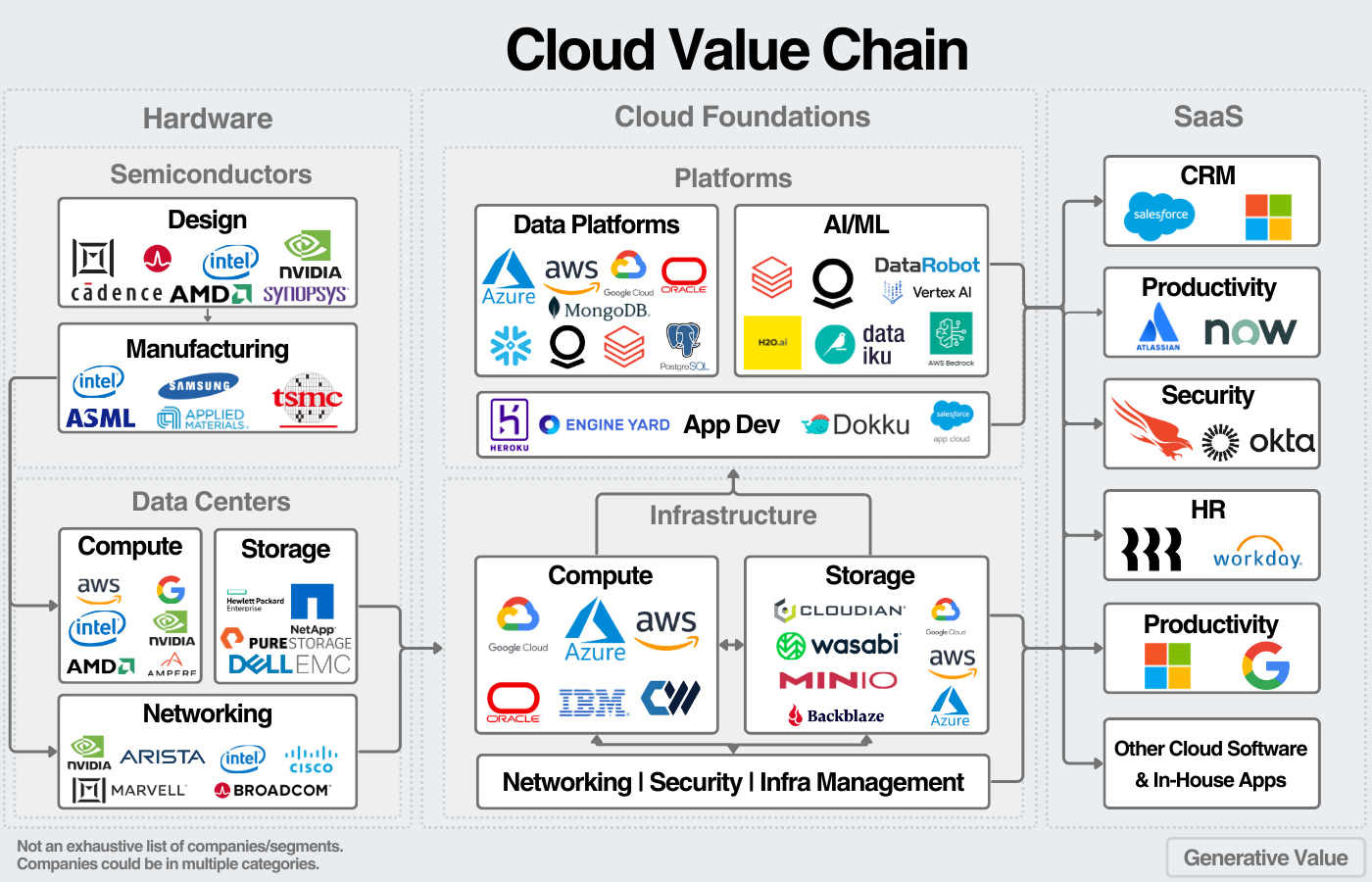
Akash provides decentralized cloud computing, offering an alternative to traditional providers like AWS.
Users can:
- Deploy applications
- Access compute resources
- Scale infrastructure
All without relying on centralized platforms.
Why This Is Critical:
AI growth is directly tied to:
- Compute availability
- Infrastructure scalability
- Cost efficiency
Akash addresses all three.
Why AKT Could Surge:
In a post-war liquidity environment:
- Demand for infrastructure increases
- Decentralization becomes more attractive
- Cost efficiency becomes a priority
Akash benefits from both:
- The AI narrative
- The broader shift toward decentralized infrastructure
This dual exposure makes it particularly compelling.
How Capital Rotation Fuels AI Altcoins
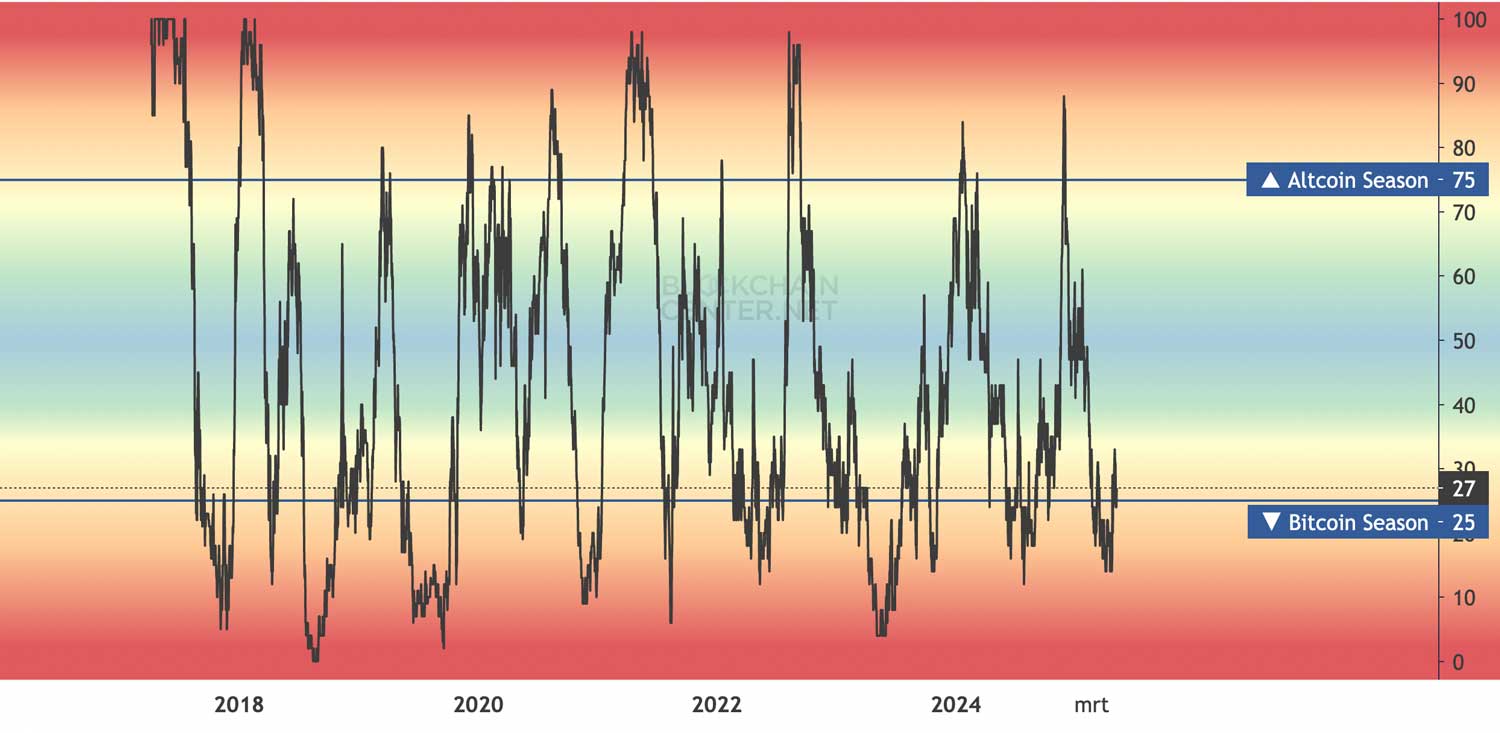
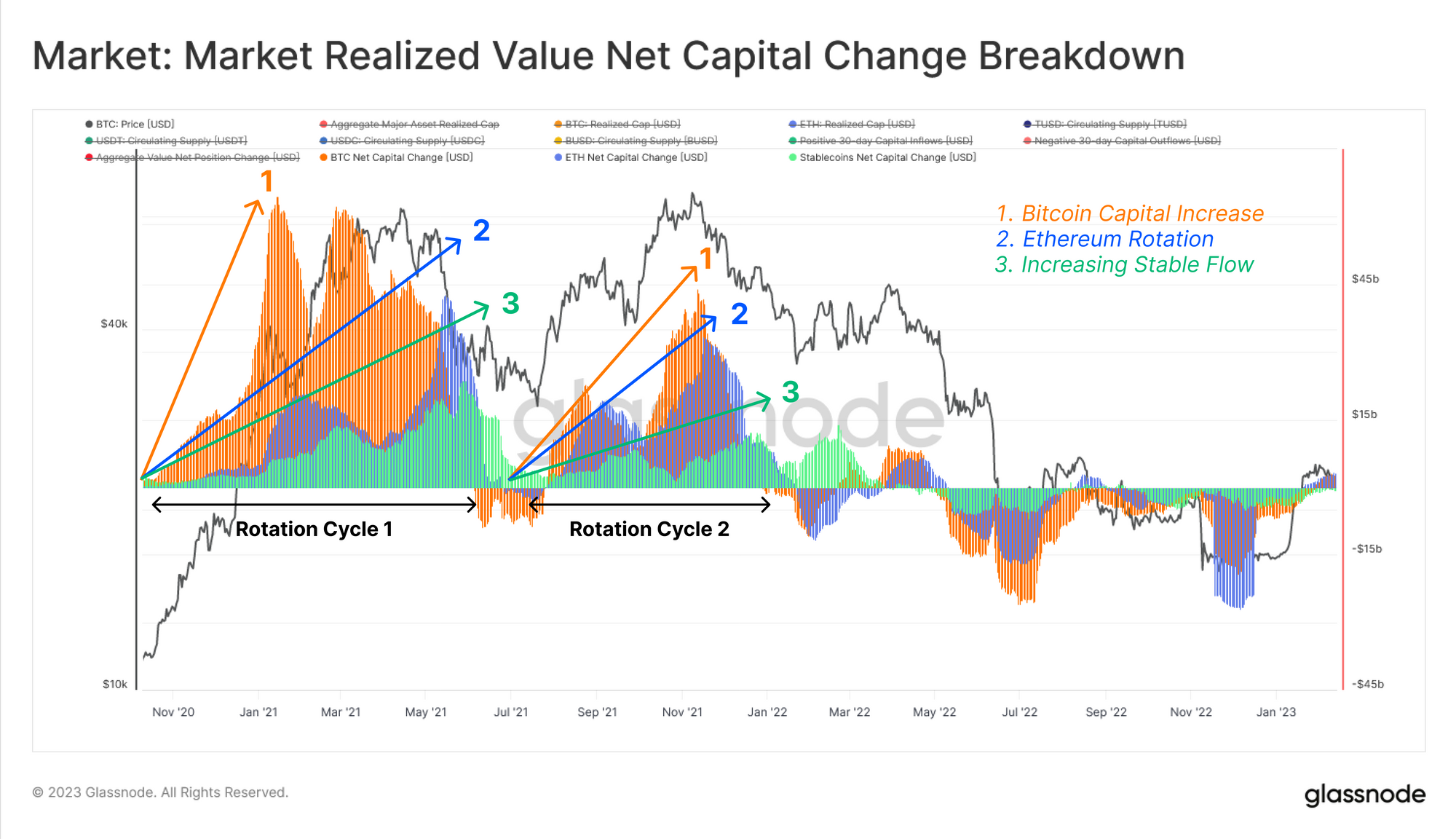
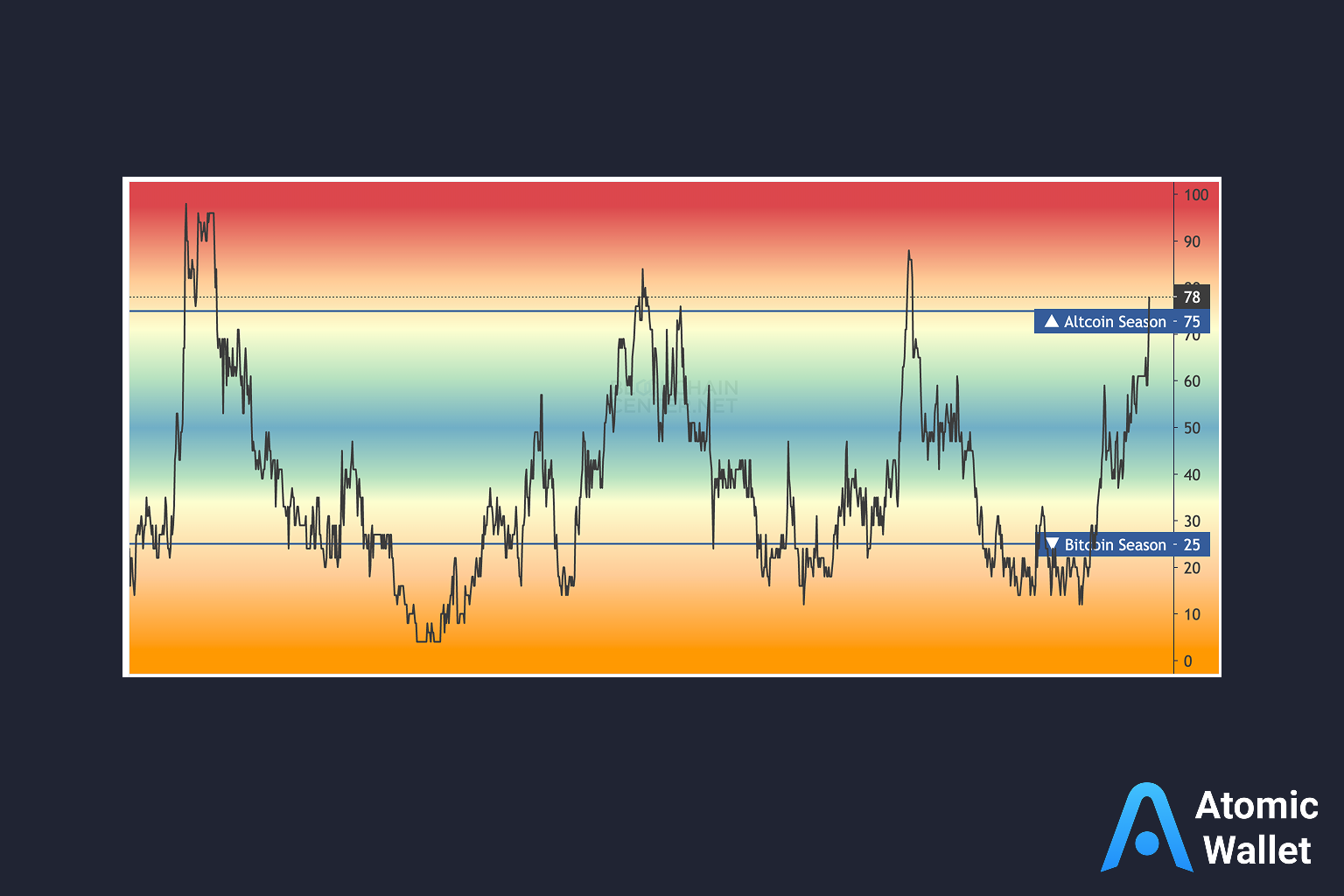
Understanding capital rotation is key to predicting market moves.
The sequence typically follows this pattern:
- Bitcoin rallies first
- Market confidence increases
- Capital rotates into altcoins
- Narrative sectors outperform
This is where AI altcoins can experience explosive growth.
By the time retail investors enter:
- Early gains have already occurred
- Momentum is already established
Positioning before this rotation is critical.
The Role of Market Psychology


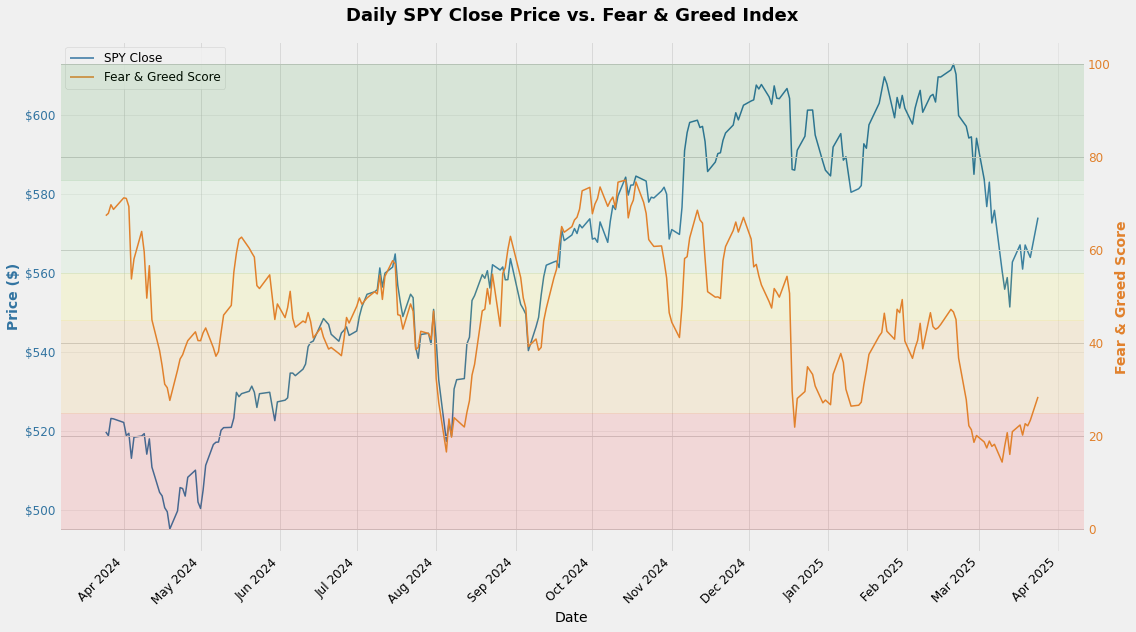
Markets are driven by emotion as much as fundamentals.
After a crisis:
- Fear turns into relief
- Relief turns into optimism
- Optimism turns into FOMO
This emotional progression fuels rapid price increases.
In crypto, this effect is amplified due to:
- Volatility
- Accessibility
- Narrative-driven speculation
This is why AI tokens can move exponentially once momentum begins.
Risks to Consider
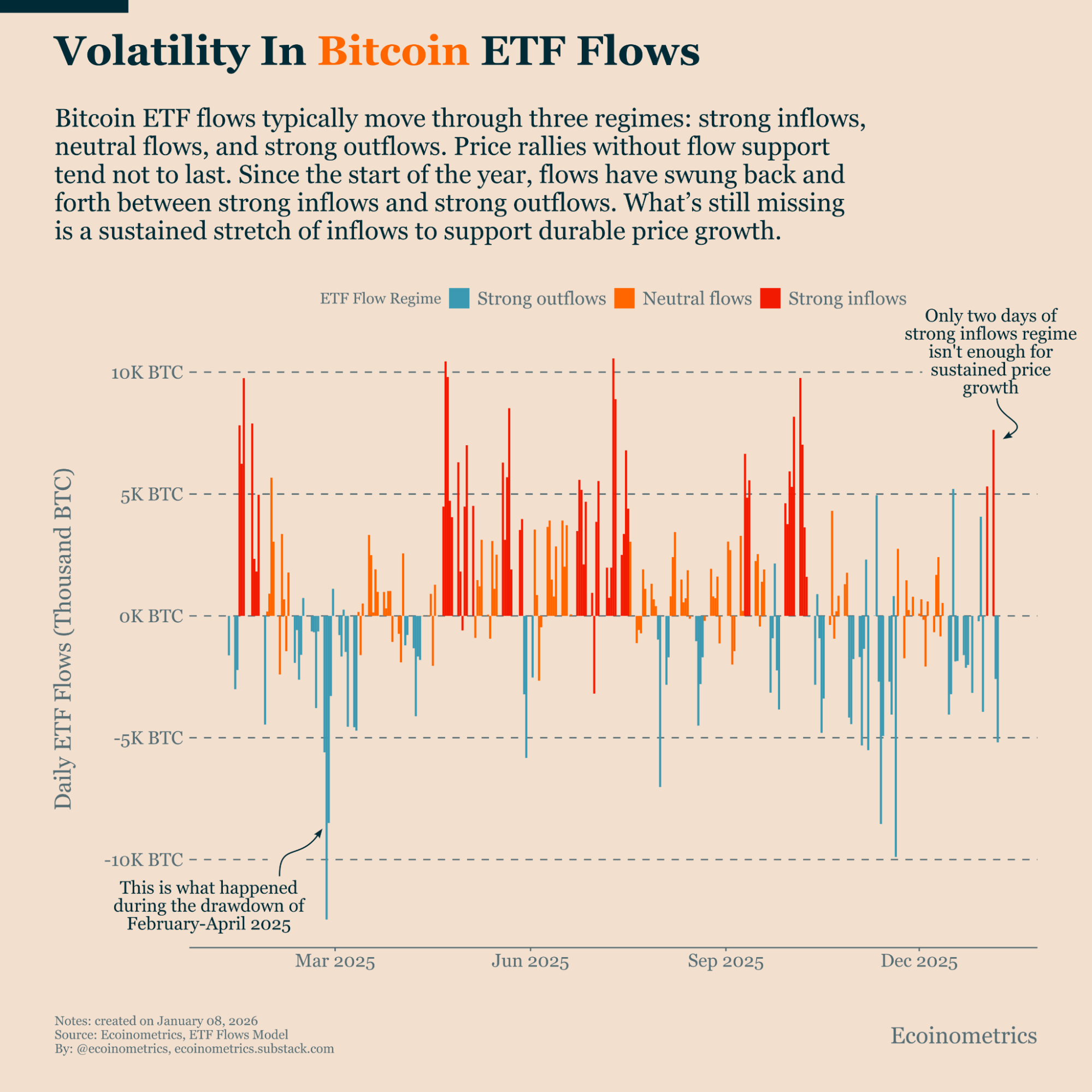

While the upside is significant, risks remain.
Key Risks:
- Liquidity reversal
- Overvaluation
- Smart contract vulnerabilities
- Execution risk
Not every project will succeed.
Even strong narratives can experience sharp corrections.
Understanding these risks is essential for long-term success.
Final Thoughts: Positioning Before the Move
The relationship between war, liquidity, and crypto is not always obvious—but it is consistent.
During conflict:
- Markets become cautious
- Capital pulls back
After conflict:
- Liquidity returns
- Risk appetite increases
- Opportunities emerge
In this environment:
- Bitcoin leads
- Capital rotates
- AI altcoins explode
Projects like Render (RNDR), Fetch.ai (FET), and Akash Network (AKT) are positioned at the intersection of:
- Technology
- Infrastructure
- Capital flows
The opportunity is not in reacting to headlines.
It’s in understanding what happens next.
Because by the time everyone is talking about it…
the move is already underway.