
From Main Street to Wall Street: 2026 and the Future of Crypto!

What’s in Store for Crypto?

For much of its early life, crypto lived on the fringe.

It was speculative.
It was volatile.
And it was often dismissed as either a short-term experiment or a passing trend.

Fast forward to 2026, and that narrative no longer holds.

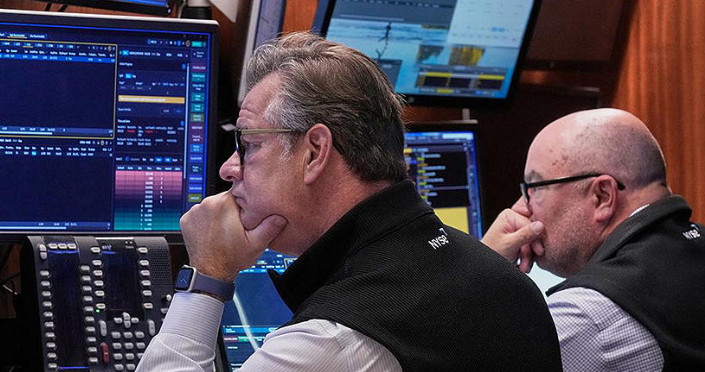
Crypto hasn’t disappeared — it has institutionalized (moved to Wall Street).

This shift doesn’t mean the market is “easy” now. It means the rules have changed. The participants have changed. And the way crypto behaves is fundamentally different from the hype-driven cycles of the past.

In this article, we’ll explore what the institutionalization of crypto really means, how it happened, and what it tells us about where digital assets are heading next.

What Does “Institutionalization” Actually Mean?


When people say crypto has become institutionalized, they don’t just mean that big firms bought Bitcoin.

Institutionalization means:

  • Professional capital is involved

  • Risk management frameworks are applied

  • Regulatory clarity is improving

  • Infrastructure is mature enough to support scale

In other words, crypto is no longer treated like a side experiment — it’s being treated like a legitimate asset class.

That shift has deep implications for volatility, opportunity, and participation.

The Early Crypto Era: Retail-Led and Emotion-Driven

To understand where we are in 2026, it helps to remember where crypto came from.

Early crypto markets were dominated by:

  • Retail traders

  • Speculation-driven narratives

  • Low liquidity

  • Minimal regulation

Price was often driven more by:

  • Social media sentiment

  • Influencer narratives

  • Fear and greed cycles

This environment created massive upside — but also massive instability.

Institutions largely stayed away because:

  • Custody solutions were weak

  • Regulations were unclear

  • Market structure was immature

That barrier kept crypto volatile and unpredictable.

What Changed Between Then and Now?

1. Infrastructure Matured

By the mid-2020s, crypto infrastructure improved dramatically:

  • Institutional-grade custody solutions

  • Better on-ramps and off-ramps

  • Professional trading venues

  • Derivatives and hedging tools

Institutions don’t enter markets without infrastructure. Once it existed, the door opened.

2. Regulation Became Clearer (Not Perfect, But Clearer)

While regulation is still evolving, 2026 looks very different from the regulatory uncertainty of earlier years.

Clearer frameworks around:

  • Asset classification

  • Compliance

  • Reporting requirements

gave institutions the confidence to participate without existential legal risk.

Clarity doesn’t eliminate risk — but it makes risk manageable.

3. Crypto Proved It Wasn’t Going Away

After surviving multiple boom-and-bust cycles, crypto demonstrated resilience.

Each cycle:

  • Cleaned out excess speculation

  • Forced innovation

  • Strengthened long-term conviction

Institutions didn’t enter because crypto was exciting — they entered because it was durable.
How Institutions Actually Participate in Crypto

One of the biggest misconceptions is that institutions “buy and hold” crypto the same way retail investors do.

In reality, institutional participation looks very different.

✅Portfolio Allocation, Not All-In Bets

Institutions typically allocate a small percentage of portfolios to crypto.

That allocation is:

  • Carefully sized

  • Risk-managed

  • Rebalanced regularly

Crypto is treated as one component of a broader strategy — not a lottery ticket.

✅Use of Derivatives and Hedging

Institutions rely heavily on:

  • Futures

  • Options

  • Perpetual contracts

These tools allow them to:

  • Hedge downside risk

  • Manage exposure

  • Generate yield

This adds liquidity and stability to markets — but also introduces complexity.

✅Focus on Risk First

Retail traders often focus on upside.

Institutions focus on survival.

Their first question is not:

“How much can we make?”

It’s:

“How much can we lose — and how do we control that?”

This mindset alone changes how markets behave.

How Institutionalization Changed Crypto Market Behavior

Crypto in 2026 behaves differently because the participants are different.

1. Volatility Is Still There — But It’s More Structured

Crypto remains volatile, but moves are less random.

We see:

  • Longer consolidation phases

  • Tighter ranges

  • Breakouts driven by liquidity events rather than hype

This makes markets feel “quiet” at times — but also more deliberate.

2. Fewer Parabolic Moves, More Gradual Trends

The days of constant vertical price action are less common.

Instead:

  • Trends develop more slowly

  • Pullbacks are more orderly

  • Momentum is sustained rather than explosive

This rewards patience more than speed.

3. Liquidity Matters More Than Narratives

In earlier cycles, narratives could drive price on their own.

In 2026, liquidity matters more:

  • Where capital is positioned

  • How funding behaves

  • Where leverage builds up

Understanding these dynamics becomes more important than following headlines.
What This Means for Bitcoin’s Role

Bitcoin’s role in an institutionalized crypto market is clearer than ever.

Bitcoin is increasingly treated as:

  • A macro asset

  • A hedge against monetary uncertainty

  • A long-term allocation rather than a speculative trade

Institutions aren’t buying Bitcoin for overnight gains. They’re buying it as part of a strategic framework.

That doesn’t eliminate volatility — but it anchors Bitcoin’s position in the broader financial system.

DeFi’s Role in an Institutional World

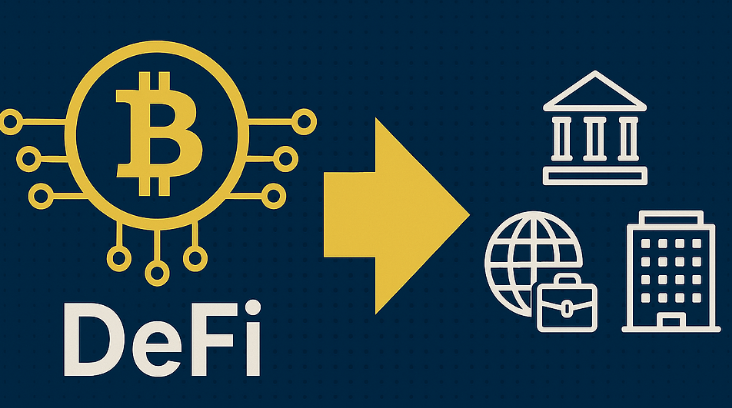
Decentralized finance didn’t disappear with institutionalization — it evolved.

In 2026, DeFi is:

  • More modular

  • More risk-aware

  • More integrated with compliance tools

Institutions don’t use DeFi the same way retail users do, but they are paying attention to:

  • Onchain liquidity

  • Transparent settlement

  • Programmable finance

The future of DeFi is less about permissionless chaos and more about selective integration.

What Retail Traders Must Unlearn

One of the hardest parts of this transition is psychological.

Retail traders must unlearn:

  • The expectation of constant excitement

  • The idea that more trades = more profit

  • The belief that hype drives everything

In an institutionalized market:

  • Discipline matters

  • Risk management matters

  • Patience matters

Retail traders who adapt can still thrive — but the old playbook no longer works.

Is Crypto “Late” in 2026?

This is the wrong question.

Crypto isn’t early or late — it’s evolving.

The speculative frontier phase is fading.
The infrastructure and utility phase is expanding.

Opportunities still exist, but they require:

  • Better education

  • More structure

  • A longer-term perspective

The easy money phase is over. The sustainable opportunity phase is underway.

What the Institutional Shift Tells Us About the Future

Looking ahead, the institutionalization of crypto suggests a few key trends:

  1. Crypto will continue integrating with traditional finance

  2. Regulation will refine — not eliminate — crypto markets

  3. Volatility will persist, but chaos will decrease

  4. Professional tools will define market participation

  5. Education will matter more than speculation

Crypto’s future isn’t about rebellion anymore — it’s about relevance.

Education Matters as Crypto Evolves

Retail traders (like you and me) have to stay abreast of constant change in crypto.

Most traders fail because they:

  • Skip risk management

  • Overtrade

  • Ignore structure

  • Trade emotionally

That’s why many traders start with structured education before risking capital.

If you’re looking for a clear, beginner-friendly introduction to crypto trading, there’s a free 1-Day Trading Course that walks through:

  • Market structure

  • Risk management

  • Simple indicator-based strategies

  • Common mistakes to avoid

👉 Access the free 1-Day Crypto Trading Course here:
https://earncryptoprofits.com

No hype — just fundamentals you can actually use.

Final Thoughts

Crypto didn’t lose its edge — it gained structure.

The institutionalization of crypto in 2026 tells us one thing clearly:

“Digital assets are no longer an experiment.”

They are a permanent part of the global financial landscape.

For those willing to adapt, learn, and trade with discipline, this new phase offers opportunity — not through hype, but through understanding.

The question isn’t whether crypto will survive institutionalization.

It already has.

The real question is:

Will you adapt with it?

Facebook
Twitter
LinkedIn
Pinterest
Crypto Training Simplified